Shipping: The Last Line of Defense for Food Safety
Need to Know
- Shipping is the final opportunity for food processors to verify product safety and quality before distribution
- Proper trailer inspections, sanitation, and temperature controls help prevent contamination and product damage during transportation
- Verifying product release, securing loads, and maintaining accurate shipping documentation help prevent the distribution of nonconforming products and support traceability.
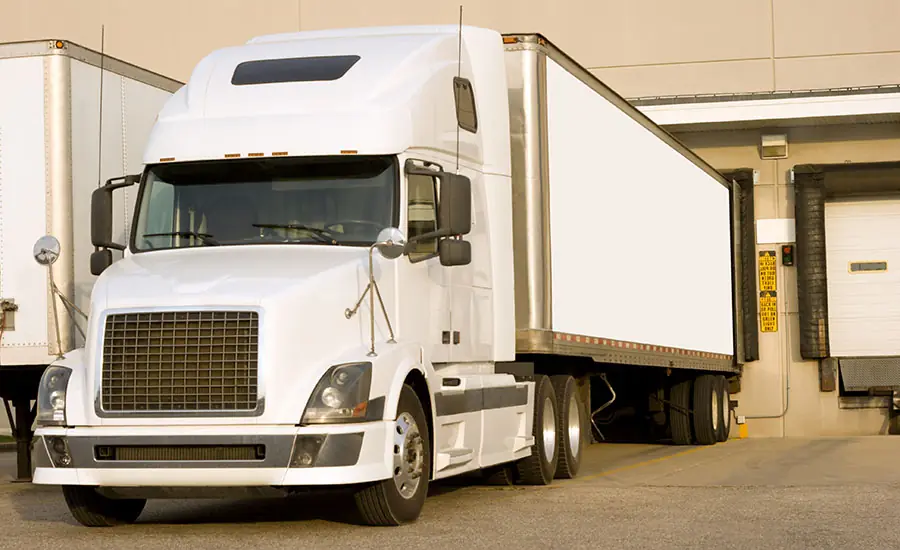
If receiving represents the first line of defense for food processors, shipping can be considered the last. As the final point at which processors handle their products before distribution, shipping provides one last opportunity to verify that products meet established food safety and quality standards. This article focuses on truck shipments, although the same principles apply to other modes of transportation, such as railcars.
Shipping personnel are responsible for coordinating product shipments, including scheduling carriers to transport products to customers or company distribution centers.
Upon arrival, truck drivers should report to the shipping office or, at gated facilities, check in with security personnel before being directed to the appropriate loading dock. Once the vehicle is parked, drivers should remain with their trucks or wait in a designated area.
Some facilities provide dedicated waiting areas for drivers, with amenities such as restrooms, seating, vending machines, and internet access. Drivers who wish to observe loading or inspect their loads should request permission and be escorted to the loading dock. Before entering designated areas, drivers should review the facility's applicable food safety and good manufacturing practices (GMPs) requirements and wear any required protective clothing, such as hairnets, smocks, or lab coats.
Inspection and Preparation at the Loading Dock
Before loading begins, dock personnel should inspect the trailer to verify that it is clean, structurally sound, and suitable for transporting food products. The inspection should include checking for damage that could allow water intrusion, as well as evidence of pest activity, including insects and rodents.
Dock personnel should also review the trailer's previous cargo history, particularly whether it has transported waste, chemicals, or other non-food materials that could pose a contamination risk. Some companies restrict their shipments to trailers used exclusively for food transportation and require documentation of previous loads.
For refrigerated or frozen shipments, dock personnel should verify the following before loading:
- The trailer has been pre-cooled to the required temperature
- The refrigeration unit and air circulation system are functioning properly
- A functioning temperature monitoring device is available
- Humidity controls, where applicable, are set appropriately for the products being transported.
All of these pre-checks must be documented. To that end, the company should develop an outbound trucking checklist, as shown in Table 1, to maintain a record of each shipment. The checklist must be completed before the truck departs for its destination.
Looking for quick answers on food safety topics?
Try Ask FSM, our new smart AI search tool.
Ask FSM →
Table 1. Example outbound trucking security checklist (Image credit: R. Stier)
|
OUTBOUND TRUCKING SECURITY CHECKLIST | ||||||
DATE |
TIME |
|||||
CARRIER |
LICENSE PLATE |
DRIVER AND LICENSE NO. |
||||
LOADING ZONE |
CHECKED BY |
|||||
|
BOL / COA | ||||||
|
HAS PRODUCT BEEN CLEARED FOR RELEASE? YES / NO | ||||||
BOL PREPARED? YES / NO |
TO BE RECEIVED ON / BY [DATE / RECIPIENT]
|
|||||
COA SENT? YES / NO |
TO BE RECEIVED ON / BY [DATE / RECIPIENT]
|
|||||
|
DELIVERY VEHICLE / TRAILER | ||||||
|
Are the compartment door seals intact and CAN THE trailer BE locked? Check One | ||||||
YES |
BROKEN |
MISSING |
||||
Seal Number(s) | ||||||
Is the trailer free of pests? Check One | ||||||
Yes |
No |
|||||
Is the trailer clean and in good condition? Check One | ||||||
Yes |
No |
|||||
|
Does the trailer show any evidence of unusual material or off-odors? If so, describe | ||||||
|
| ||||||
|
Does the trailer show any evidence that it was used to transport any harmful non-food items or waste products? Check One | ||||||
Yes |
No |
|||||
Is the integrity of the load intact? Check One | ||||||
Yes |
No |
|||||
|
REFRIGERATED / FROZEN DELIVERIES | ||||||
|
If the trailer Is delivering refrigerated or frozen items, Is the refrigeration unit ON and Is the trailer cold? Check One | ||||||
Yes |
No |
|||||
|
If the trailer Is delivering refrigerated or frozen items, Is there a functioning temperature recordeR? Check One | ||||||
Yes |
No |
|||||
|
TEMPERATURE VERIFICATION (RECORD TEMPERATURE AT TIME OF LOADING) | ||||||
|
GPS SYSTEM | ||||||
Is the TRAILER EqUIPPED WITH A GPS SYSTEM? | ||||||
Yes |
No |
|||||
|
DOES THE GPS SYSTEM ALLOW REMOTE TEMPERATURE MONITORING? | ||||||
Yes |
No |
|||||
|
ACCEPTANCE / REJECTION | ||||||
Container APPROVED FOR DELIVERY |
Container Rejected FOR DELIVERY |
|||||
|
Reason for rejection
| ||||||
Many vehicles are equipped with GPS systems that allow carriers to monitor their locations and, in some cases, remotely track temperatures during transit. One shipping company, for example, not only monitors temperature and location remotely but has also established a troubleshooting team to rapidly address temperature issues. Such monitoring capabilities may help carriers identify and respond more quickly to temperature deviations, potentially reducing product losses associated with temperature abuse.
Loading the Truck
Before loading begins, warehouse personnel must be aware of the truck's maximum load capacity and any weight restrictions along its intended route. The crew must also consider the following questions:
- How will the truck be loaded?
- Will the trailer be loaded with palletized products or individually stacked cases?
- Will the load require cushioning or other stabilizing materials, also called dunnage?
- Most importantly, have the products met all applicable food safety and quality requirements and been formally released for shipment?
Products that have not met established food safety and quality standards should not be shipped simply to fulfill an order, as doing so could result in a subsequent recall or return. This risk may be especially pronounced during the production of seasonal items, such as holiday-specific products, when manufacturers face pressure to meet tight delivery deadlines.
Forklift operators must collect the products specified by the shipping department and transport them to the loading dock. Products placed on hold in the warehouse should be clearly identified and segregated, as appropriate, to prevent their inadvertent selection for shipment.
At the loading dock, a supervisor should verify that the forklift operator has delivered the correct products before they are loaded onto the truck. Once loading is complete, the supervisor and warehouse staff should inspect the load to ensure that it is properly secured to prevent shifting and potential damage during transit. If the truck is not fully loaded, additional cushioning or stabilizing materials may be necessary. The driver may also wish to inspect the load and, if so, must be escorted to the loading dock.
After loading is complete, the trailer doors should be closed, secured, and sealed. The seal number should be recorded as part of the shipping documentation.
The shipping office should prepare a bill of lading (BOL) documenting the products shipped, quantities, lot numbers, destination, required transportation conditions, shipment date, and expected delivery date. If the customer requires a Certificate of Analysis (COA), it should accompany the shipment documentation or be transmitted electronically, according to arrangements established between the supplier and customer.
Ensuring Food Safety Through Shipping Controls
Shipping represents the final opportunity for food processors to verify that products meet established safety and quality standards before leaving their control. A well-organized shipping operation, working closely with quality assurance personnel, can help prevent the distribution of nonconforming products, reduce the risk of contamination or damage during transit, and ensure that products reach customers in acceptable condition. By maintaining effective inspection, loading, and documentation procedures, processors can strengthen food safety protections throughout the final stage of distribution.