Food Safety
search
Ask Food Safety AI
cart
facebook twitter linkedin instagram youtube
  • Sign In
  • Create Account
  • Sign Out
  • My Account
Food Safety
  • NEWS
    • Latest News
    • Sponsor Insights
    • Sponsored White Papers
  • PRODUCTS
  • TOPICS
    • Contamination Control
    • Food Types
    • Management
    • Process Control
    • Regulatory
    • Sanitation
    • Supply Chain
    • Testing and Analysis
  • PODCAST
  • EXCLUSIVES
    • Food Safety Five Newsreel
    • eBooks
    • FSM Distinguished Service Award
    • Interactive Product Spotlights
    • Videos
  • BUYER'S GUIDE
  • MORE
    • NEWSLETTERS >
      • Archive Issues
      • Subscribe to eNews
    • Store
    • ASK FSM AI
  • WEBINARS
  • FOOD SAFETY SUMMIT
  • EMAG
    • eMagazine
    • Archive Issues
    • Editorial Advisory Board
    • Contact
    • Advertise
  • SIGN UP!
News

Vermont’s GMO Labeling Law Starts July 1
July 1, 2016

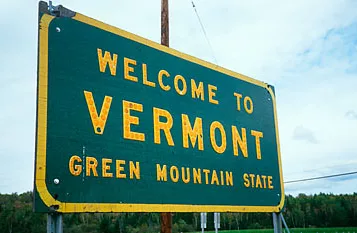
As of today, July 1, 2016, most food products sold in Vermont must legally display on the label if that item includes any genetically modified organisms (GMOs). The new law--that all began with a bill that passed 2 years ago--is the first of its kind in the U.S. Although Vermont is the only state implicated, the law is having an effect nationwide.

What exactly is Vermont’s GMO labeling law?
The new law requires that most whole produce and packaged food products must display a label that declares the product was made using GMOs. This generally includes food items made with canola, corn, soy or sugar, which is the vast majority of packaged food products in the U.S.

For whole produce, the label must read “produced with genetic engineering” either on the packaging or on the bins where the produce is stored and displayed for shoppers.

For processed and packaged foods, the label must read, “may be produced with genetic engineering”, “produced with genetic engineering” or “partially produced with genetic engineering”. These are either spelled out, or consumers can access details with a smart device by scanning the product’s quick response (QR) code.

What food items in Vermont are not subject to GMO labeling? 
Cheese, as well as meat from animals that have consumed feed deriving from genetically engineered grains.

What happens when food companies do not comply?
Although the law does go into effect today, food companies do have a 6-month grace period to comply with the regulation. If companies do not implement GMO labels after that, they will face a fine of $1,000 per day, per product. The fine also applies to food products that display labels determined to be “incorrect”. For companies distributing whole produce, they will have 30 days to comply after a being issued a violation notice. Vermont’s attorney general is in charge of keeping up with compliance.

How have food companies been impacted?
To save money, many food companies have added GMO verbiage to their food product labels not just for Vermont, but for retailers across the U.S. This will help them to avoid complications that might arise when applying labels to foods distributed to states with varying GMO labeling laws. Del Monte, ConAgra, General Mills, Campbell Soup, Dannon Yogurt, Kellogg's and Mars have all announced universal GMO labeling for their food products.

Looking for quick answers on food safety topics?
Try Ask FSM, our new smart AI search tool.
Ask FSM →

Coca-Cola has announced that not all of its brands will be available for sale in Vermont as of today due to Vermont’s new law. While the brand’s popular Coca-Cola, Diet Coke and Coke Zero beverages will remain on store shelves, other low-volume products will be pulled from Vermont stores instead of complying with new labeling standards in the state. The removal of select Coke products from store shelves in only temporary.

What's next?
Vermont’s new law comes just a week after Congress decided that a nationwide GMO labeling standard is necessary. The bill would need to pass in the House of Representatives and undergo 2 years of planning by the U.S. Department of Agriculture. If passed, this could mean future changes to Vermont’s precedent-setting mandate.

Sign up for Food Safety Magazine’s bi-weekly emails!


Author(s): Staff

Share This Story

Recommended Content

JOIN TODAY
to unlock your recommendations.

Already have an account? Sign In

  • people holding baby chicks

    Serovar Differences Matter: Utility of Deep Serotyping in Broiler Production and Processing

    This article discusses the significance of Salmonella in...
    Food Type
    By: Nikki Shariat Ph.D.
  • woman washing hands

    Building a Culture of Hygiene in the Food Processing Plant

    Everyone entering a food processing facility needs to...
    Management
    By: Richard F. Stier, M.S.
  • graphical representation of earth over dirt

    Climate Change and Emerging Risks to Food Safety: Building Climate Resilience

    This article examines the multifaceted threats to food...
    Contamination Control
    By: Maria Cristina Tirado Ph.D., D.V.M. and Shamini Albert Raj M.A.
Manage My Account
  • eMagazine Subscription
  • Subscribe to Newsletters
  • Manage My Preferences
  • Website Registration
  • Subscription Customer Service

More Videos

Sponsored Content

Sponsored Content is a special paid section where industry companies provide high quality, objective, non-commercial content around topics of interest to the Food Safety Magazine audience. All Sponsored Content is supplied by the advertising company and any opinions expressed in this article are those of the author and not necessarily reflect the views of Food Safety Magazine or its parent company, BNP Media. Interested in participating in our Sponsored Content section? Contact your local rep!

close
  • Darkling Beetle
    Sponsored byElanco Animal Health

    Integrated Pest Management: Protecting Poultry Operations as Seasons Change

  • NEVIFIT 3 Compartment BPA-FREE
    Sponsored byCorbion

    The Risks of Ready-to-Eat: Five Ways to Protect Today's Prepared Meals

  • a group of workers in a food production facility
    Sponsored bySkillUp by Registrar Corp

    How to Build a Better Training Program: Data and Insights from the Global Food Safety Training Survey

Popular Stories

half full baby bottle next to rubber duckie on white surface

Organic Infant Formulas Caused Back-to-Back Botulism Outbreaks—What Gives?

nara organics whole milk infant formula

Another Infant Botulism Outbreak Sickens Three, Nara Organics Formula Suspected Cause

smiling man with clipboard in front of bottling line at beverage manufacturing facility

The Evolving Role of the Quality Assurance Professional in Food Safety

Events

June 25, 2026

Rethinking Food Safety: Eliminating Biofilm and Building a Smarter Food Safety System

Live: June 25, 2026 at 2:00 pm EDT: Join this webinar to explore a modern approach to decontamination that goes beyond surface-level cleaning to combat biofilm and persistent pathogens.

June 30, 2026

FSMA 204 in Practice: Building a Traceability-Ready Operation

Live: June 30, 2026 at 11:00 am EDT: Attend this webinar to learn how food businesses can move from fragmented records toward a more reliable approach for recall response, FDA requests, and supply chain visibility.

July 21, 2026

Using AI Responsibly in Food Safety Management Systems

Live: July 21, 2026 at 2:00 pm EDT: This webinar will provide participants with guidance on how to effectively use generative artificial intelligence (AI) tools to develop key components of a food safety management system (FSMS).

View All

Products

Global Food Safety Microbial Interventions and Molecular Advancements

Global Food Safety Microbial Interventions and Molecular Advancements

See More Products

Related Articles

  • Grocery Manufacturers Aim to Overturn Vermont's GMO Labeling Law

    See More
  • Food Industry Groups Sue Vermont to Overturn Mandatory GMO Labeling Law

    See More
  • Food for Thought: The Federal GMO Labeling Law

    See More

Related Products

See More Products
  • 1119160553.jpg

    Food Safety: Innovative Analytical Tools for Safety Assessment

  • Food-Forensics-3D.jpg

    Food Forensics Handbook Practice, Instrumentation, Case Studies

  • shelf life.jpg

    Shelf Life and Food Safety

See More Products
×

Never miss the latest news and trends driving the food safety industry

Newsletters | Website | eMagazine

JOIN TODAY!
  • RESOURCES
    • Advertise
    • Contact Us
    • Directories
    • Store
    • Want More
  • SIGN UP TODAY
    • Create Account
    • eMagazine
    • Newsletters
    • Customer Service
    • Manage Preferences
  • SERVICES
    • Marketing Services
    • Reprints
    • Market Research
    • List Rental
    • Survey/Respondent Access
  • STAY CONNECTED
    • LinkedIn
    • Facebook
    • Instagram
    • X (Twitter)
  • PRIVACY
    • PRIVACY POLICY
    • TERMS & CONDITIONS
    • DO NOT SELL MY PERSONAL INFORMATION
    • PRIVACY REQUEST
    • ACCESSIBILITY

Copyright ©2026. All Rights Reserved BNP Media, Inc. and BNP Media II, LLC.

Design, CMS, Hosting & Web Development :: ePublishing