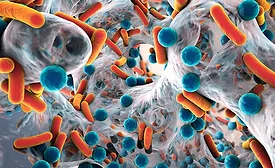
Treatment effectiveness varied by L. monocytogenes strain and bacteriocin used. While the findings supported continued development of enzyme-bacteriocin combinations as potential bio-based tools for L. monocytogenes biofilm control, researchers highlighted the need to ensure that biofilm disruption is accompanied by effective bacterial inactivation.
Acrylerase, developed by Kerry Group, is an amidase food enzyme that hydrolyzes acrylamide, and is the first commercially available food enzyme designed to directly decompose the process contaminant after it has formed.
A new USDA study suggests that the “green,” biodegradable enzyme ficin can improve the efficacy of conventional sanitizers when used as a pre-treatment in egg processing environments, reducing the contact time and sanitizer concentration required to achieve Salmonella biofilm inactivation.
TopBake Fresh and Taste, a new enzyme solution developed by DeutscheBack, enables targeted enzymatic flavor improvement of baked goods while helping to extend shelf life and reduce the use of emulsifiers and sugars in recipes.
The European Food Safety Authority’s (EFSA’s) new Food Enzyme Intake Model (FEIM) web tool helps the food industry and consumers estimate dietary exposure to specific food enzymes per manufacturing processes.
A recent study reviewed the efficacy of environmentally friendly pathogen inactivation methods against Listeria monocytogenes biofilms in food production environments, specifically, electrolyzed water, plasma-activated water, ozone, and enzymes.