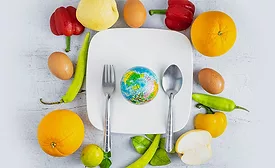
During a technical meeting convened by IAEA, FAO, and WHO, experts emphasized the need for a joint response to the interconnected issues of food safety and nutrition. The use of nuclear techniques to enhance food safety and nutrition was also explored.
Globally, unsafe food costs low- and middle-income countries over $110 billion USD annually in productivity losses and medical expenses. The cost of doing nothing is far higher than the cost of effective action.
Per- and polyfluoroalkyl substances (PFAS) are ubiquitous in food, cosmetics, and pharmaceuticals. Part 2 of this article series discusses the application of several problem-solving analytical tools to the PFAS crisis, as well as the impacts of PFAS on the United Nations' Sustainable Development Goals (SDGs) for 2030.
The vTPA approach is valuable at a time when public interest in safer food is increasing, but competent authorities struggle to obtain more resources from governments
This article sheds light on some critical components of successful voluntary third-party assurance (vTPA) program implementation, particularly from an accreditation and certification service perspective. It discusses the role of accreditation and certification services and the prerequisites for successfully implementing the vTPA approach with the aim of supporting competent authorities in this process.
The Mars Global Food Safety Center and the United Nations’ World Food Program (WFP) are highlighting their partnership to work toward ensuring safe food for vulnerable communities worldwide.
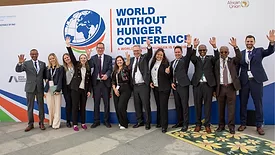
The first UN Food Systems Summit convened in September 2021 to spur national and regional action to deliver the UN’s 17 Sustainable Development Goals through transforming food systems.