
Articles by Matthew Wilson Ph.D.

From Audit-Ready to Food-Safe: Making Better Decisions Across the Food Supply Chain
How quality assurance professionals and frontline leaders can build better decision-making capabilities across the food supply chain
Read More
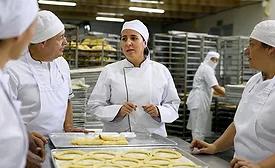
Building Food Safety Culture Through Real Skills on the Floor
If a food safety culture is strong, it should be reflected in the workforce's capability and operational discipline
Read More


Rethinking Food Safety Training: Putting the Consumer at the Table
To embrace consumer-first food safety training, industry must humanize the risk and redesign onboarding with consumer outcomes in mind
Read More

Assessing Food Safety Competence: Meeting Certification Expectations through On-Floor Capability Building
Food safety is no longer just about compliance—it is a strategic, business-wide responsibility that empowers employees to protect consumers and their brand
Read More


How QA and Frontline Leaders Assess Food Safety Skills
High-performing organizations go beyond compliance to ensure continuous skill development and a leadership-driven food safety culture
Read More