Leveraging digital supply chain technologies—like blockchain, AI, and other solutions—can help importers comply with FDA's Foreign Supplier Verification Program (FSVP) more efficiently and effectively, while also improving supply chain transparency and reducing the risk of food safety incidents.
Implementing an effective Listeria environmental monitoring program enables knowledge of where Listeria can enter, harbor, and move through a facility, which is the first step toward keeping the pathogen on the run and not allowing it to impact production surfaces or finished product.
Advances in next-generation sequencing have allowed for an understanding of the microbial inhabitants that make up the microbiome in ways that culture-based techniques are limited
Advances in next-generation sequencing have allowed for an understanding of the microbial inhabitants that make up the microbiome in ways that culture-based techniques are limited. This article provides a broad overview of two genomic techniques and potential applications for their use by meat and poultry processors.
Risk culture is a construct in which the organization's values, beliefs, and behaviors influence actions relative to how it responds to risks. By reducing complexity across the organization's functions and processes, the different types of risk can be assessed and managed by a single, powerful approach so that the risk culture is more mature.
This article discusses the latest research elucidating the main reason why foodborne pathogens like Salmonella are more resistant to heat inactivation in low-moisture food (LMF) systems, including quantitative data relating thermal treatment temperature and water activity/relative humidity to the log-reduction rate of bacterial pathogens in different LMF. Case studies on pilot-scale thermal treatments for the control of Salmonella in LMF are also presented.
A simple review of organizational structures shows that food safety teams report to different functions across food companies, but what structure provides the best opportunity for success of the food safety team, and what are the measures of success? Identifying the structure that sets up the food safety team to drive daily compliance and upgrade existing programs is key. This article examines current organizational structures and evaluates the pros and cons of each.
Research on plant defense responses against pathogens, specifically E. coli O157:H7 and Salmonella Typhimurium, holds insights to preventing foodborne illnesses and improving food safety practices.
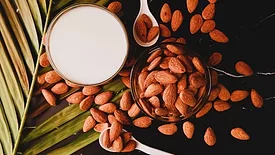
Traditional dairy processors have begun to develop various milk alternatives alongside their standard product lines to adapt to shifting consumer demand. To effectively analyze and test traditional product lines while overcoming the difficulties of testing novel plant-based milk, they must have access to adaptable instruments and accommodate specific food safety concerns.
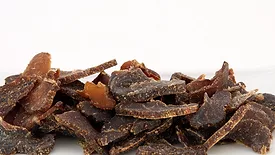
The U.S. and Canada are melting pots of cultures, and one of the most evident expressions of this diversity can be found in the variety of ethnic foods available in markets. While the influx of these foods has brought new and exciting flavors to North American palates, it has also brought the risk of new microbial hazards.
As leaders in food safety, it is our responsibility to develop the influential skills to "manage up" and "train upper management" on food safety risks and opportunities to secure the necessary funding for continued development.
 RSS
RSS