A review published by EFSA concludes that, while there is clear evidence of microplastic release from food contact materials (FCMs), the actual quantities are likely lower than many studies suggest, and current evidence does not support reliable exposure estimates. Nanoplastics data remain insufficient.
This episode of Food Safety Five discusses a UK proposed ban on Bisphenol A (BPA) in food contact materials, as well as two studies with global relevance: a successful clinical trial for a novel Salmonella vaccine and research demonstrating how nanoplastics enter the edible parts of crops.
Food processors do not always consider the physical hazards that may be brought in with agricultural raw materials, or have systems in place to address them. Focus may also be diverted by looking at other sources of foreign material because adequate agricultural information is not available.
Research from the University of Plymouth has demonstrated the ability of nanoplastics to infiltrate the edible radish root, which raises questions about the food safety and public health implications of dietary exposure to plastics.
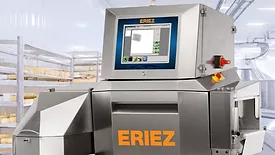
The SenseGuard line integrates high-definition imaging with AI analysis to identify a range of physical contaminants in food processing, packaging, bottling, and canning applications.
FlexXray’s 2025 Foreign Material (FM) contamination survey reveals offers an industry-wide snapshot of how often foreign material contamination happens and how facilities are responding.
Designed specifically for potato chips, tortilla chips, and similar snack foods, the belt-fed sorting system identifies and removes product defects and foreign material to protect food safety and product quality.
 RSS