The platform uses a DNAzyme-crosslinked hydrogel that produces a visible color change when E. coli is present, enabling equipment-free, point-of-use detection. It successfully detected E. coli in a range of foods, even when other pathogens were present.
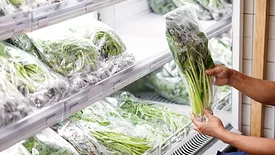
This article examines the frequent contamination of fresh produce (e.g., cucumber and sprouts due to recent outbreaks linked to these foods) with Salmonella and Shiga toxin-producing Escherichia coli.
Providing evidence for potential Produce Safety Rule standards, the assessment examined how pathogens survive in untreated biological soil amendments of animal origin (BSAAO) and contaminate produce. FDA found that longer time between BSAAO application and harvest significantly reduces crop contamination.
The Infant Formula Safety Modernization Act includes provisions about expanded pathogen testing requirements and compulsory environmental monitoring for infant formula manufacturers, among other mandates.
Despite having Listeria-positive samples that matched the outbreak strain via whole genome sequencing (WGS), which prompted an FDA Import Alert and a company recall for the suspected vehicle of illness, FDA did not disclose the specific product or any of the firms implicated.
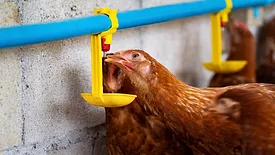
Elevated levels of certain metals and the presence of commonly used disinfectants were found to inactivate Salmonella vaccines administered to poultry via drinking water.
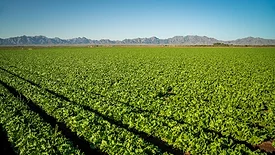
The California Longitudinal Study, a five-year environmental study of California’s Central Coast produce-growing region, identified wildlife, livestock, and surface water as potential contributors to the persistence and movement of Shiga toxin-producing Escherichia coli (STEC).
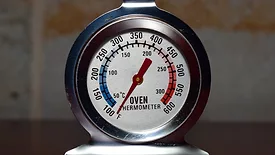
Maximum reductions in norovirus infectivity occurred rapidly once temperatures reached 60 °C (140 °F). The findings could help inform improved thermal processing recommendations for foodborne norovirus.
The researchers positioned the machine learning model as a low-cost complement to traditional testing workflows, helping dairy processors enhance food safety while targeting laboratory resources.
Incorporating a novel “bio-fumigation” method based on a natural compound produced by mustard plants, the micro-malting machine effectively addresses mycotoxins while preserving quality. USDA is working with industry to scale the prototype for widespread adoption.
 RSS
RSS