Food Safety
search
Ask Food Safety AI
cart
facebook twitter linkedin instagram youtube
  • Sign In
  • Join Today
  • Sign Out
  • My Account
Food Safety
  • NEWS
    • Latest News
    • Food Safety Five Newsreel
  • PRODUCTS
  • TOPICS
    • Contamination Control
    • Food Types
    • Management
    • Process Control
    • Regulatory
    • Sanitation
    • Supply Chain
    • Testing and Analysis
  • PODCAST
  • EXCLUSIVES
    • eBooks
    • Sponsored Insights
    • Sponsored White Papers
    • FSM Distinguished Service Award
    • Interactive Product Spotlights
    • Videos
  • MORE
    • BUYER'S GUIDE
    • Store
    • ASK FSM AI
  • WEBINARS
  • FOOD SAFETY SUMMIT
  • FSM FEATURES
    • FSM Features Collection
    • eMag Archives
    • Op-Eds
    • Editorial Advisory Board
    • Contact
    • Advertise
  • JOIN
Home » Topics » Contamination Control » Chemical Control

Chemical Control
Chemical Control RSS Feed RSS

Ocean Conservancy scientist using microscope

Study Finds Little Difference Between Plastic in Seafood, Meat, and Plant-Based Proteins—It’s All Contaminated

FSM logo
Food Safety Magazine Editorial Team
January 9, 2024

A new study has found microplastics particles in 88 percent of protein food samples across 16 types, with no statistical difference in microplastics concentrations between land- and ocean-sourced proteins.


Read More
backlit plastic water bottle

New Microscopic Detection Technique Reveals More Plastic in Bottled Water Than Previously Known

FSM logo
Food Safety Magazine Editorial Team
January 9, 2024

Using a new microscopic technique that can detect minute particles of plastic, Rutgers Health and Columbia researchers have discovered that bottled drinking water contains 10–100 times more plastic particles than previous estimates have suggested.


Read More
empty plastic water bottles

High Levels of Toxic Plasticizers Phthalates, Bisphenols Found in Nearly All Foods in U.S.

Bailee Henderson headshot
Bailee Henderson
January 5, 2024

Recent testing for phthalates and bisphenols like BPA in foods found all but one sample to contain phthalates and 79 percent of samples to contain bisphenols. Phthalates were present at worryingly high levels, although levels of bisphenols have decreased since 2009. The study was conducted by Consumer Reports.


Read More
European Union flag

EU Officially Renews Glyphosate Approval for 10 More Years

FSM logo
Food Safety Magazine Editorial Team
December 27, 2023

The European Commission has officially voted to renew approval of the use of the controversial herbicide glyphosate in the EU until December 15, 2033.


Read More
FSM podcast

Ep. 160. 2023: A Year of Evolving Food Safety Concerns and Regulations

FSM logo
Food Safety Magazine Editorial Team
December 26, 2023

In this episode of Food Safety Matters, we review the top food safety stories of 2023 and their implications, covering regulatory changes in the U.S. and abroad; growing concerns about chemical additives and contaminants, allergens, traceability requirements, infant formula, and retail foodservice safety; and the Poisoned documentary that premiered on Netflix in summer 2023.


Read More
tractor spraying chemicals

EPA Proposes Plan to Better Protect Public Health from Pesticide Harms to Endocrine System

FSM logo
Food Safety Magazine Editorial Team
December 22, 2023

A proposed strategy from the U.S. Environmental Protection Agency (EPA) aims to improve the agency’s screening process for the harmful effects that pesticides and agricultural chemicals may have on the human endocrine system, starting with immediately requiring additional data to be submitted by the manufacturers of certain high-priority chemicals. 


Read More
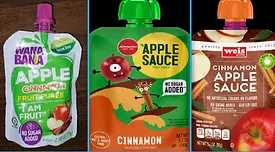
recalled fruit puree pouches contaminated with lead

FDA: Intentional Adulteration Possible Cause of Lead in Recalled Cinnamon Applesauce Pouches

FSM logo
Food Safety Magazine Editorial Team
December 19, 2023

With regard to the recently recalled, lead-contaminated applesauce packages that have caused lead poisoning among dozens of children, Jim Jones, Deputy Commissioner for Human Foods at the U.S. Food and Drug Administration (FDA), recently shared that the agency’s leading theory is economically motivated adulteration of cinnamon used in the products.


Read More
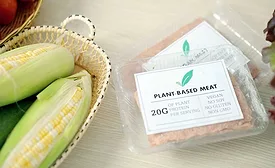
plant-based meat

Food Safety Versus the Green Transition

New microbial and chemical risks come with the greater incorporation of plant-based raw materials into human diets and the introduction of reusable packaging
Rikke Hjort Hansen Gry Carl Terrell M.Sc. Lene Duedahl-Olesen Ph.D. Nanna Bygvraa Svenningsen Ph.D
December 12, 2023

The added microbial risks that come with eating more plant-based foods can usually be mitigated by adjusting recipes or process parameters, although hazard considerations regarding the chemical safety of a diet richer in plant-based materials is more complex. Also, introducing reusable packaging may come with its own set of issues.


Read More
poppy seed rolls

U.S. Bill Introduced to Prohibit Sale of Unwashed Poppy Seeds Due to Dangerous Opiate Levels

FSM logo
Food Safety Magazine Editorial Team
December 6, 2023

Recently introduced to the U.S. Senate, the Stephen Hacala Poppy Seed Safety Act would prohibit the sale of poppy seeds that contain harmful levels of opiates and require the U.S. Food and Drug Administration (FDA) to issue regulations that establish a maximum level of contamination


Read More
someone lowering their fork into a plate of freshwater fish

WHO Classifies Two Major PFAS as Carcinogenic to Humans, Underlines Risk of Dietary Exposure

Bailee Henderson headshot
Bailee Henderson
December 5, 2023

The World Health Organization’s (WHO’s) International Agency for Research on Cancer has classified two types of per- and polyfluoralkyl substances—perfluorooctanoic acid (PFOA) and perfluorooctanesulfonic acid (PFOS)—as “carcinogenic to humans” and “possibly carcinogenic to humans,” and noted that the general population’s main route of exposure to these chemicals is through food and drinking water.


Read More
Previous 1 2 … 48 49 50 51 52 53 54 55 56 … 75 76 Next
Manage My Account
  • Join Food Safety Magazine
  • Manage My Preferences
  • Customer Service

More Videos

Sponsored Content

Sponsored Content is a special paid section where industry companies provide high quality, objective, non-commercial content around topics of interest to the Food Safety Magazine audience. All Sponsored Content is supplied by the advertising company and any opinions expressed in this article are those of the author and not necessarily reflect the views of Food Safety Magazine or its parent company, BNP Media. Interested in participating in our Sponsored Content section? Contact your local rep!

close
  • pre-packaged salads, noodles, and prepared meals stocked on multi-tier grocery store refrigerator shelves
    Sponsored byCorbion

    How Many Days of Shelf Life Are You Leaving on the Table?

  • Top view portrait of two factory workers standing by conveyor belt during quality inspection at food production, copy space
    Sponsored byFlexXray

    Foreign Material By the Numbers: What the 2026 Benchmark Report Reveals

  • a conveyorized industrial metal detector system that appears to resemble a Loma Systems IQ4 Metal Detector setup with an integrated conveyor belt and control panel for food or package inspection.
    Sponsored byMettler Toledo

    Beyond Detection: How to Avoid Physical Contamination in Food Through a Smarter Inspection Strategy

Popular Stories

Heidi Overton

White House Pulls Dr. Heidi Overton as Nominee for FDA Commissioner

food safety scientists and microbiologists working in a laboratory to test food and microbiological samples

The Challenge of Addressing Hidden Chemical Food Risks

AI on a smartphone

How FDA’s Human Foods Program Is Using AI to Support Food Safety Oversight

AI and Advanced Analytics ebook

Events

December 2, 2026

Beyond Surface Clean: Tackling Biofilms and Persistent Pathogens

Live: December 2, 2026 at 11:00 am EST: Attend this webinar to understand why chlorine dioxide is not chlorine, and what “ultra-pure” means for residues, byproducts, and effectiveness.

December 3, 2026

How to Use AI to Improve Workforce Training

Live: December 3, 2026 at 11:00 am EST: This webinar will cover best practices for reviewing, refining, and governing AI-generated training content for accuracy and consistency.

December 8, 2026

Best Practices for Responding to a Foodborne Outbreak Investigation

Live: December 8, 2026 at 2:00 pm EST: Attendees will gain practical insight into the roles and expectations of industry and government during foodborne illness investigations, and how effective collaboration can support timely investigations and the best possible public health outcome.

View All

Products

Global Food Safety Microbial Interventions and Molecular Advancements

Global Food Safety Microbial Interventions and Molecular Advancements

See More Products

Never miss the latest news and trends shaping the food safety industry

Newsletters | Website | FSM Features Collection

JOIN TODAY!
  • RESOURCES
    • Advertise
    • Contact Us
    • Directories
    • Store
  • JOIN TODAY
    • Create Account
    • FSM Features Collection
    • Newsletters
    • Customer Service
    • Manage Preferences
  • SERVICES
    • Marketing Services
    • Reprints
    • Market Research
    • List Rental
    • Survey/Respondent Access
  • STAY CONNECTED
    • LinkedIn
    • Facebook
    • Instagram
    • X (Twitter)
    • YouTube
  • PRIVACY
    • PRIVACY POLICY
    • TERMS & CONDITIONS
    • DO NOT SELL MY PERSONAL INFORMATION
    • PRIVACY REQUEST
    • ACCESSIBILITY

Copyright ©2026. All Rights Reserved BNP Media, Inc. and BNP Media II, LLC.

Design, CMS, Hosting & Web Development :: ePublishing