A house cat in Oregon has died from eating raw cat food contaminated with Highly Pathogenic Avian Influenza H5N1 (HPAI H5N1), and a product recall was initiated. Additionally, cats in California contracted HPAI H5N1 from different raw pet food.
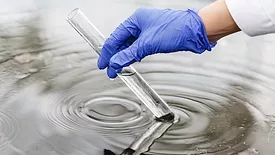
Scientists have developed a new method for detecting fecal contamination in water using human viral DNA, which can help improve the safety of water sources while also allowing for microbial source tracking of contamination.
A study of antimicrobial resistance (AMR) data for four important foodborne pathogens isolated from U.S. chicken and turkey revealed trends over time and by region that suggest the potential influence of local agricultural practices on AMR patterns and pathogen distribution.
This episode of Food Safety Five previews the top three food safety innovations of 2024, based on the advancements that gained the most attention from Food Safety Magazine readers. These include a first-of-its-kind antimicrobial preharvest agricultural water treatment, as well as novel PFAS detection and remediation techniques.
This year’s Top Ten Food Safety Innovations list was chosen based on which discoveries and technologies attracted the most attention from Food Safety Magazine readers, including new detection methods for chemical and microbiological contaminants, novel processing technologies, preharvest interventions for microbial risks, and others.
To meet the need for sustainable alternatives for food packaging, researchers from Chungnam National University have developed an edible, natural coating that extends the shelf life of fruits.
A new study led by USDA-ARS and Oklahoma State University showed that oregano and cinnamon essential oils can be reused multiple times to effectively wash organic leafy greens contaminated with E. coli without losing antimicrobial activity.
A recent study estimated the economic impact of foodborne campylobacterosis contracted from chicken consumption in Australia to be more than $110 million USD annually, with chicken consumption linked to 30 percent of all Campylobacter infections recorded in the country.
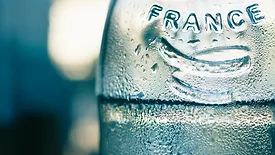
An analysis conducted by Pesticide Action Network Europe (PAN Europe) raises concerns about trifluoroacetic acid (TFA), a type of per- and polyfluoroalkyl substance (PFAS), in European mineral waters, which are sourced from deep underground and are typically believed to be more protected from pollutants than other waters.
 RSS
RSS