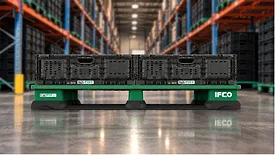
Designed for food and non-food applications, the Atlas pallet incorporates digital track-and-trace capabilities, which provide information on pallet location and inventory, as well as cold-chain monitoring.
The Bethlehem site is dedicated to developing natural coffee taste and flavor profiles for food and beverage applications and has been equipped with roasting, extraction, concentration, and processing technologies intended to produce formulation-specific ingredients.
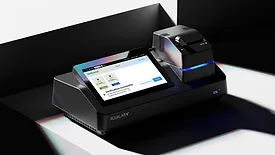
Designed to address fragmented measurement, data, and compliance workflows across product development and manufacturing operations, AQUALAB 5TE combines water activity and moisture content measurement in a single 60-second test.
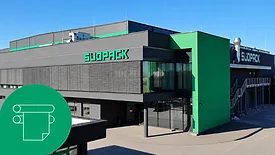
SÜDPACK has expanded its flexographic printing capabilities at its Competence Center in Kłobuck, Poland with the installation of a new high-performance printing system.
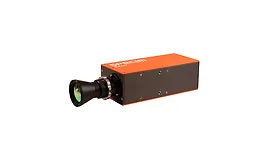
Hyperspectral imaging captures information across a range of wavelengths, enabling the assessment of product characteristics that may not be visible through conventional imaging.
The SX10 is a visible and near-infrared (VNIR) hyperspectral camera designed for research and industrial imaging applications, including food research.
The community tracker allows people with food allergies to report anaphylaxis and other serious allergic reactions experienced at foodservice establishments, with the intent of filling data gaps about food anaphylaxis, informing allergic consumers, and motivating industry allergen safety practices.
 RSS
RSS