
Articles Tagged with ''listeria''


N.Y. raw milk cheese company ordered to stop sales for food safety violations
Vulto Creamery source of outbreak that sickened 8 people, killing 2
Read More


AFFI unveils validation resource for listeria prevention
Frozen food manufacturers can incorporate the new resource into a facility’s food safety plan to evaluate processing equipment for pathogen control.
Read More

Newly formulated disposable gloves reduce listeria risk
Eagle Protect's nitrile gloves feature surface-free energy and transfer characteristics similar to Teflon, which helps fight off bacteria.
Read More

Panera Bread recalls cream cheese because of Listeria
No illnesses have been reported, but company is recalling all 2-oz. and 8-oz. cream cheeses.
Read More

Food Safety
Green beans, mixed vegetables recalled
Vegetables may be contaminated with Listeria
Read More

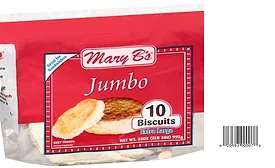
Biscuits recalled due to potential Listeria contamination
Frozen biscuits were distributed to retail stores
Read More


Use of endolysins can yield a safer Hispanic cheese
Researchers at the University of Illinois find that PlyP100 is effective at inhibiting the growth of Listeria in laboratory fresh cheeses.
Read More

Soybean sprouts recalled due to possible Listeria
Sprouts distributed to retail stores in three states
Read More