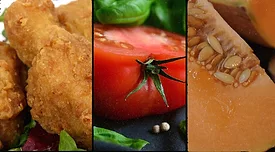
The Interagency Food Safety Analytics Collaboration (IFSAC)—a joint effort between FDA, CDC, and USDA-FSIS—has published its 2021 report on foodborne illness source attribution for Salmonella, Escherichia coli O157, and Listeria monocytogenes.
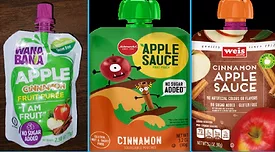
As of November 16, 2023, there are 34 known cases of acute lead toxicity linked to recalled fruit puree pouches in the U.S. FDA has alluded to an unconfirmed theory that the common source of contamination may be an imported ingredient used in the products.
On November 13, 2023, the Alliance for a Stronger FDA hosted a webinar with James "Jim" Jones, the recently appointed Deputy Commissioner for Human Foods at the U.S. Food and Drug Administration (FDA), during which he discussed his priorities, plans, and approach to change at the agency. He provided expected timelines for specific initiatives, such as finalization of the Agricultural Water Rule and an officialized outline of the new Human Foods Program.
Due to a steady increase of foodborne Cyclospora cayetanensis infections in recent years, the U.S. Food and Drug Administration (FDA) charged the National Advisory Committee on Microbiological Criteria for Foods (NACMCF) with producing a report that provides information on the factors that contribute to the contamination of produce by the parasite, as well as recommendations for a prevention and management strategy.
A new coalition between various food safety stakeholders has been formed with the purpose of advocating for a modernized, effective Human Foods Program at the U.S. Food and Drug Administration (FDA).
The U.S. Food and Drug Administration (FDA) has released the report for its fiscal year (FY) 2021 pesticide residue monitoring program, summarizing findings from FDA testing of human and animal foods for pesticides and industrial compounds.
The California Food Safety Act—statewide legislation that bans the sale of foods containing red dye 3, potassium bromate, brominated vegetable oil, and propylparaben—was signed into California law by Governor Gavin Newsom on October 7, 2023.
FDA has announced two updates for Food Safety Modernization Act (FSMA) rules: the finalization of a draft guidance for sprout operations under the Produce Safety Rule and additional information about Food Traceability Final Rule (also known as FSMA 204) inspections and FDA’s Product Tracing System.
To address the trend of food manufacturers intentionally adding sesame to food products that did not originally contain the allergen in an attempt to circumvent allergen cross-contact requirements, FDA has updated its draft guidance for industry on hazards analysis and preventive controls with a new chapter on avoiding allergen cross-contact and proper labeling.