Companies such as Tyson Foods and Mars have announced similar moves as the Trump Administration prioritizes phasing out synthetic dyes from the U.S. food supply and scrutinizes food additives generally.
Companies such as The Kraft Heinz Company, Tyson Foods and Mars have made similar announcements as the Trump Administration prioritizes phasing out synthetic dyes from the U.S. food supply and scrutinizes food additives generally.
The bill’s passage by the California State Assembly comes on the heels of two other food safety-related bills authored by Assemblymember Jesse Gabriel and passed into law.
The news comes on the heels of the Trump Administration’s “Make America Healthy Again” (MAHA) Report specifically citing titanium dioxide as a food chemical potentially having harmful effects on health.
The Trump administration released its "Make America Healthy Again" (MAHA) Report on May 22, laying a foundation for the overhaul of government policy on childhood nutrition, food chemicals, environmental toxins found in food contact materials, and other concerns.
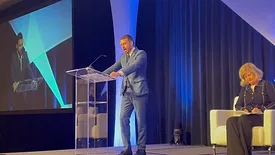
At the 2025 Food Safety Summit, the much-anticipated Town Hall session on Thursday featured a candid discussion and attendee Q&A with officials from FDA, USDA-FSIS, CDC, and AFDO.
New York State Senator Brian Kavanagh, lead Senate sponsor of the legislation, says a key aim of the bill is to address major loopholes in federal food regulation.
Announcement comes on heels of April 22 press conference regarding the agency’s focus on phasing out petroleum-based synthetic dyes in the nation’s food supply.