The initial pilot program will trace milk from farms and producers in New Zealand to Nestlé factories and warehouses in the Middle East.
Nestlé S.A., Switzerland, announced a collaboration with OpenSC, a blockchain platform that allows consumers to track their food right back to the farm.
A DNA sample from cattle entering the Open Prairie program will be used to trace the origin of individual cuts of beef as they move through the supply chain.
Tyson Fresh Meats, the Dakota Dunes, S.D.-based beef and pork subsidiary of Tyson Foods, Inc., collaborated with IdentiGEN, Lawrence, Kan., to use DNA technology to trace beef back to the individual animal of origin.
With today’s increasingly complex supply chain, brands face an even greater challenge to ensure only the best and safest version of their products reach consumers.
The study of stability and consistency determined that all ATP systems do not provide the same quality of results.
3M Food Safety, St. Paul, Minn., announced the results of a new scientific study conducted by the ZERO2FIVE Food Industry Centre at Cardiff Metropolitan University, Wales, UK, comparing the performance of nine ATP hygiene monitoring systems.
Third-party logistics (3PL), the use of a third-party business to outsource elements of a company's distribution and order fulfillment services, can help snack producers and bakeries deliver their products more effectively. 3PL providers specialize in integrated warehousing and transportation services that can be customized to meet customers' needs based on market conditions.
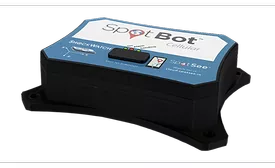
SpotSee is increasing visibility into the supply chain for the logistics market by delivering real-time, critical shock and temperature indicators through its leading brand SpotBot.
During the first three months, the pilot tested and developed methodology for tracking eligible cattle through audited live animal supply chains.
The first three months of Cargill’s Canadian beef sustainability pilot project yielded encouraging results, proving the model works and demonstrating significant potential to scale the program.