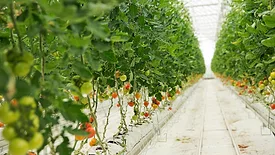
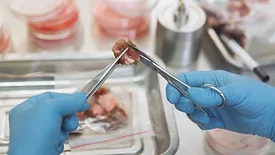
The report groups new food production technologies like precision fermentation, controlled environment agriculture, and cell-culturing by their expected impact and feasibility to help regulators and industry target evidence generation, guidance development, and regulatory preparedness efforts.
UK businesses will be required to align with relevant EU regulatory requirements within the scope of the Sanitary and Phytosanitary (SPS) agreement, regardless of whether they export to the EU or sell only to the UK market.
Drawing upon insights shared by UK food safety professionals, a report produced by the Food Safety Research Network (FSRN)/Quadram Institute identifies emerging defenses against microbiological risks in food production environments, including science-backed approaches, advanced technologies, and culture-based initiatives.
Although food safety spending cuts were associated with local authority staffing reductions and decreases in the number of official food hygiene interventions, industry compliance was not negatively affected.
The UK Government’s PFAS Plan addresses human dietary exposure and food and water contamination, environmental monitoring, potentially restricting PFAS uses, and other actions.
The UK-based Chilled Food Association (CFA) has produced an industry-led good practice guidance for manufacturers and retailers of ready-to-eat (RTE) foods that may support the growth of Listeria monocytogenes to support compliance with UK and EU regulations on the microbiological criteria for foods.
Some EU and UK food law changes in development could arrive sooner than expected, and others will take more time to go into effect. This article discusses food law changes to watch for in 2026.
Responsible for representing scientific interests within the UK Food Standards Agency (FSA), Dr. Ian Young is also Professor of Medicine at Queen’s University in Belfast.
At its December 2025 Board Meeting, the UK Food Standards Agency (FSA) recommended that the agency support Codex proposals on precautionary allergen labeling (PAL) and seek UK alignment with Codex PAL recommendations.
As a result of the ongoing Cell-Cultivated Products sandbox program, the UK Food Standards Agency (FSA) has published the first of several guidances on the food safety and hygiene of cell-cultured food production; specifically, on HACCP and other applicable requirements under UK regulations for lab-grown meat.