Scientists have discovered antibodies that can neutralize a wide range of norovirus strains, laying the groundwork for a broadly effective vaccine. Historically, development of a norovirus vaccine has been hindered by the virus’ many genetic variants and frequent mutation.
A joint study by World of Auditing and Çağ University aims to deliver science-based insights into the size, scope, and dynamics of food safety auditing challenges and opportunities. Please share your insights in the survey!
A recent study has revealed that nearly 100 million people in the U.S. are exposed to unregulated chemicals in their drinking water—including solvents, refrigerants, and PFAS—with Hispanic populations most disproportionately affected.
A recent study demonstrated the ability of Listeria monocytogenes to colonize a preexisting multispecies biofilm within a matter of hours and survive within the biofilm over time, without significantly altering the community structure or the overall matrix composition.
A survey of Swedish toddlers conducted by the Swedish Food Agency as part of the Riksmaten Young Children dietary study has found high levels of some toxic substances—such as PFAS, BPA, and lead—in the children’s bodies.
A research project funded by the Center for Produce Safety is developing a flexible computer model that enables food industry users to evaluate potential contamination risks along the supply chain and relevant control strategies.
A new study conducted by Canadian Food Inspection Agency scientists demonstrates the capability of a streamlined workflow to detect low-level presence of Listeria monocytogenes in food samples within eight hours.
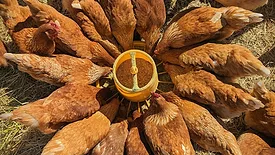
Researchers from the Danish Technical University National Food Institute achieved an 80 percent reduction in Campylobacter in free-range chickens under real-world conditions by adding biochar to their feed.
The results of an FDA retail survey have been published, showing that pasteurization effectively inactivates avian influenza in dairy products other than milk, such as butter, ice cream, and cheese. USDA analyzed the samples collected by FDA.
Field studies led by Wageningen University have demonstrated the efficacy of two vaccines in reducing mortality in poultry infected with the Highly Pathogenic Avian Influenza (HPAI) H5N1 virus, although it is too early to draw accurate conclusions about transmission.