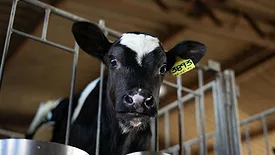
Acidification can inactivate Highly Pathogenic Avian Influenza H5N1 (HPAI H5N1), a.k.a. “bird flu,” in milk, according to a UC Davis study. The finding is especially relevant to farmers, who often do not pasteurize waste milk.
A rodent study using real-world non-typhoidal Salmonella strains, conducted by University of Florida Institute of Food and Agricultural Sciences (UF/IFAS) researchers, has shown the potential of a developing vaccine that is based in a novel, nontraditional delivery method.
Researchers from Wageningen University and Research have characterized the toxicological effects and allergenic potential of emerging alternative protein sources in a recent review.
A recent study has characterized the challenges of ensuring food safety in “dark kitchens”—which sell food for takeout or delivery solely via online platforms and may operate out of shared kitchens—from the perspectives of both environmental health officers and the business operators themselves.
Weather conditions associated with climate change are exacerbating the spread of Salmonella and Campylobacter, suggest researchers at the University of Surrey’s School of Veterinary Medicine.
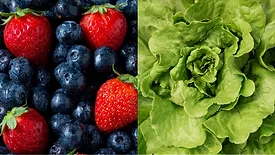
Funded by the Center for Produce Safety, researchers with the University of Barcelona and the Spanish Research Council are developing novel testing protocols for norovirus and hepatitis A on berries and leafy greens, enabling faster analysis and reducing false positives.
A recent study has demonstrated that millions of nano- and microplastics are released by polymer-based commercial tea bags when infused with hot water, and that these plastic particles are readily taken up by human intestinal cells.
Analysis of health code violation data for quick-service restaurant franchises in the U.S. Southeast showed corporate-owned chains had the best health and food safety outcomes, followed by single-owner and family-owned franchises.
In Canada, the presence of Salmonella in raw, frozen and breaded chicken products, as well as human salmonellosis cases, decreased significantly after a specific requirement for these products was implemented in 2019, according to a recent study.