Food Safety
search
Ask Food Safety AI
cart
facebook twitter linkedin
  • Sign In
  • Create Account
  • Sign Out
  • My Account
Food Safety
  • NEWS
    • Latest News
    • White Papers
  • PRODUCTS
  • TOPICS
    • Contamination Control
    • Food Types
    • Management
    • Process Control
    • Regulatory
    • Sanitation
    • Supply Chain
    • Testing and Analysis
  • PODCAST
  • EXCLUSIVES
    • Food Safety Five Newsreel
    • eBooks
    • FSM Distinguished Service Award
    • Interactive Product Spotlights
    • Videos
  • BUYER'S GUIDE
  • MORE
    • ENEWSLETTER >
      • Archive Issues
      • Subscribe to eNews
    • Store
    • Sponsor Insights
    • ASK FSM AI
  • WEBINARS
  • FOOD SAFETY SUMMIT
  • EMAG
    • eMagazine
    • Archive Issues
    • Editorial Advisory Board
    • Contact
    • Advertise
  • SIGN UP!
NewsContamination ControlFood TypeChemicalDairy/Eggs

MSU Finds Dairy Producers Overuse Antibiotics When Treating Cows for Mastitis

By Food Safety Magazine Editorial Team
white milk splash against black background

Image credit: Daniel Sinoca via Unsplash

September 27, 2023

New research from the College of Veterinary Medicine at Michigan State University (MSU) finds that dairy producers overtreat cows diagnosed with non-severe cases of clinical mastitis, which is a possible threat to human health. The study was supported by a U.S. Department of Agriculture National Institute of Food and Agriculture (USDA NIFA) Food Safety Challenge Grant.

In dairy cows, mastitis is the inflammation of mammary glands in the udder, usually caused by a bacterial infection that leads to decreased quantity and quality of milk.

MSU researchers reviewed non-severe cases of clinical mastitis for approximately 50,000 cows on 37 commercial dairy farms in Wisconsin. Overall, the findings suggest that for routine treatments, following the minimum labelled duration for mastitis treatment drugs is critical to maintaining animal and human health.  

The study indicates the need to reexamine the duration of treatment for mastitis in dairy cows. Unless improved clinical outcomes can be justified, cows should be treated using the minimum duration listed on product labels, and for shorter durations. This would benefit human health benefit by releasing fewer antimicrobials into ecosystems, therefore reducing the risk of antimicrobial resistance (AMR).

There are five existing products labeled to treat clinical mastitis in the U.S. The U.S. Food and Drug Administration (FDA) -approved labeled duration of treatment with the five drugs ranges from one day to up to eight days. People typically treat for five days because that is the average time the milk remains visually abnormal, and dairy farmers feel like they should treat until it looks like the mastitis is cured. However, previous MSU studies have shown that abnormal milk appearance is from inflammation, and it is not predictive of outcomes like the presence of bacteria or infection recurrence.

Looking for quick answers on food safety topics?
Try Ask FSM, our new smart AI search tool.
Ask FSM →


KEYWORDS: Michigan State University study veterinary drugs

Share This Story

Fsm purple logo 200x200

The Food Safety Magazine editorial team comprises Bailee Henderson, Digital Editor ✉; Adrienne Blume, M.A., Editorial Director; and Stacy Atchison, Publisher.

Recommended Content

JOIN TODAY
to unlock your recommendations.

Already have an account? Sign In

  • people holding baby chicks

    Serovar Differences Matter: Utility of Deep Serotyping in Broiler Production and Processing

    This article discusses the significance of Salmonella in...
    Microbiological
    By: Nikki Shariat Ph.D.
  • woman washing hands

    Building a Culture of Hygiene in the Food Processing Plant

    Everyone entering a food processing facility needs to...
    Food Prep/Handling
    By: Richard F. Stier, M.S.
  • graphical representation of earth over dirt

    Climate Change and Emerging Risks to Food Safety: Building Climate Resilience

    This article examines the multifaceted threats to food...
    Contamination Control
    By: Maria Cristina Tirado Ph.D., D.V.M. and Shamini Albert Raj M.A.
Manage My Account
  • eMagazine Subscription
  • Subscribe to eNewsletter
  • Manage My Preferences
  • Website Registration
  • Subscription Customer Service

More Videos

Sponsored Content

Sponsored Content is a special paid section where industry companies provide high quality, objective, non-commercial content around topics of interest to the Food Safety Magazine audience. All Sponsored Content is supplied by the advertising company and any opinions expressed in this article are those of the author and not necessarily reflect the views of Food Safety Magazine or its parent company, BNP Media. Interested in participating in our Sponsored Content section? Contact your local rep!

close
  • Salmonella bacteria
    Sponsored byThermoFisher

    Food Microbiology Testing Methods: Salmonella species

  • a diagram explaining indicator organisms
    Sponsored byHygiena

    How Proactive Listeria Testing Helps Prevent Six- and Seven-Figure Recalls

  • woman grocery shopping
    Sponsored byCorbion

    Designing Safety Into Every Bite: Proactive Risk Mitigation for Refrigerated Foods

Popular Stories

newborn earing from bottle

Infants Nationwide Hospitalized With Botulism After Consuming ByHeart Formula

U.S. currency on scale

Shutdown Deal Restricts Funds for FSMA 204, Produce Safety Rule Enforcement

us capitol

MAHA Pushback Kills ‘Big Food’-Aligned Legislative Effort to Stop State Food Laws

Events

November 18, 2025

Dry Sanitation and Cleaning Techniques for Facilities and Equipment

Live: November 18, 2025 at 12:00 pm EDT: From this webinar, attendees will learn best practices employed by dry/low-moisture food processors for dry sanitation and equipment cleaning.

November 20, 2025

New U.S. Additive Bans: How to Prepare and Protect Your Brand

Live: November 20, 2025 at 11:00 am EST: From this webinar, attendees will learn the impact of ingredient restrictions on product development, sourcing, labeling, and market access.

December 4, 2025

Beyond Detection: How Integrated PCR Diagnostics Strengthen Food Safety in RTE Manufacturing

Live: December 4, 2025 at 2:00 pm EST: From this webinar, attendees will learn best practices for prevention of FM contamination at the corporate and plant levels.

View All

Products

Global Food Safety Microbial Interventions and Molecular Advancements

Global Food Safety Microbial Interventions and Molecular Advancements

See More Products

Related Articles

  • Tagged cows in a green field

    Groups Urge Kennedy to Address Overuse of Antibiotics in Meat Production

    See More
  • cows eating with heads through grate

    USDA-FSIS to Begin Routine Monitoring for HPAI in Dairy Cows Under National Residue Program

    See More
  • chicken hanging out on some equipment

    Using WGS, MSU Researchers Find More Than Half of Campylobacter is Resistant to Antibiotics

    See More

Related Products

See More Products
  • 1119160553.jpg

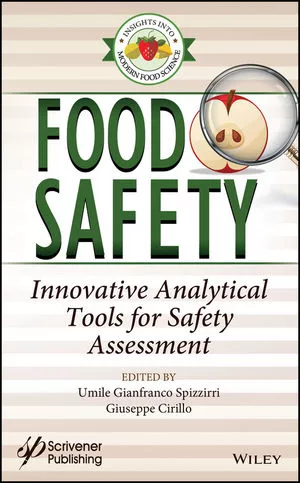
    Food Safety: Innovative Analytical Tools for Safety Assessment

  • 1119053595.jpg

    Food Safety for the 21st Century: Managing HACCP and Food Safety throughout the Global Supply Chain, 2E

  • 1118396308.jpg

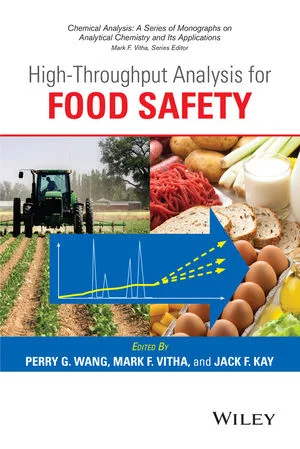
    High Throughput Analysis for Food Safety

See More Products

Related Directories

  • MADCAP Dairy Software

    MADCAP, developed by Contec Group International Ltd (CGI), is a cutting-edge platform designed to optimize dairy supply chains. With over five decades of industry expertise, MADCAP offers scalable, integrated solutions that improve efficiency, transparency, and traceability. Trusted by top dairy companies across 28 countries, including the United States, MADCAP is known for its ability to streamline operations and support global dairy production. Headquartered in Christchurch, New Zealand, CGI continues to drive innovation in the dairy sector through advanced technology.
  • Bakery Machinery & Fabrication (BMF/Cookie & Cracker Machinery)

    Engineering/Designing/Manufacturing of Cookie, Cracker, Snack Food & Pet Treat equipment. From unit machines to turnkey systems ranging from flour handling through wrapping. Equipment development for new products that are not capable of being produced on conventional equipment. We're your competitors' best kept secret!! Get the Baking Edge!!
×

Never miss the latest news and trends driving the food safety industry

eNewsletter | Website | eMagazine

JOIN TODAY!
  • RESOURCES
    • Advertise
    • Contact Us
    • Directories
    • Store
    • Want More
  • SIGN UP TODAY
    • Create Account
    • eMagazine
    • eNewsletter
    • Customer Service
    • Manage Preferences
  • SERVICES
    • Marketing Services
    • Reprints
    • Market Research
    • List Rental
    • Survey/Respondent Access
  • STAY CONNECTED
    • LinkedIn
    • Facebook
    • Instagram
    • X (Twitter)
  • PRIVACY
    • PRIVACY POLICY
    • TERMS & CONDITIONS
    • DO NOT SELL MY PERSONAL INFORMATION
    • PRIVACY REQUEST
    • ACCESSIBILITY

Copyright ©2025. All Rights Reserved BNP Media.

Design, CMS, Hosting & Web Development :: ePublishing