Food Safety
search
Ask Food Safety AI
cart
facebook twitter linkedin instagram youtube
  • Sign In
  • Create Account
  • Sign Out
  • My Account
Food Safety
  • NEWS
    • Latest News
    • Sponsored Insights
    • Sponsored White Papers
  • PRODUCTS
  • TOPICS
    • Contamination Control
    • Food Types
    • Management
    • Process Control
    • Regulatory
    • Sanitation
    • Supply Chain
    • Testing and Analysis
  • PODCAST
  • EXCLUSIVES
    • Food Safety Five Newsreel
    • eBooks
    • FSM Distinguished Service Award
    • Interactive Product Spotlights
    • Videos
  • BUYER'S GUIDE
  • MORE
    • NEWSLETTERS >
      • Archive Issues
      • Subscribe to eNews
    • Store
    • ASK FSM AI
  • WEBINARS
  • FOOD SAFETY SUMMIT
  • EMAG
    • eMagazine
    • Archive Issues
    • Editorial Advisory Board
    • Contact
    • Advertise
  • SIGN UP!
News

FDA Testing Fresh Herbs, Avocados for Foodborne Pathogens

D1b91ae2 0a60 4a7c 9f2bba2a712f0845
February 26, 2018

The U.S. Food and Drug Administration (FDA) has embarked upon two major sampling assignments that revolve around testing certain produce items for microbial contaminants. Those foods are: fresh cilantro, parsley and basil, as well as processed avocado and guacamole. By conducting this testing, FDA is hoping to pinpoint just how common contamination occurs, and narrow down any common denominators if any positive microbial samples should arise.

FDA plans to collect 1,600 samples per produce assignment. Below is a snippet of what’s been accomplished thus far.

Fresh Herbs-cilantro, basil and parsley (based on samples collected since January 1)

  • 35 domestic samples - none tested positive for microbial contamination
  • 104 imported samples - 4 positive Salmonella samples; 3 positive Shiga toxin-producing E. coli samples

Reason for sampling fresh herbs: Because they are typically eaten without having undergone a “kill step” (ie. cooking) to reduce or eliminate bacteria. Also, these herbs are often eaten as part of multi-ingredient foods, and thus people may not report having eaten them when they become ill.

Processed Avocado/Guacamole (based on samples collected since January 1)

  • 58 domestic samples - 3 tested positive for Listeria monocytogenes
  • 49 imported samples - 1 tested positive for Listeria monocytogenes

Reason for sampling processed avocados: Because avocados have a high moisture content and a non-acidic pH level, conditions that can support the growth of harmful bacteria. Processed avocado products, including avocado that is fresh cut, refrigerated and frozen, may be packaged and eaten without having undergone a “kill step” (ie. cooking) prior to consumption.

FDA Note: No conclusions about overall contamination rates can be made until all of the data are collected, validated and analyzed.

Looking for quick answers on food safety topics?
Try Ask FSM, our new smart AI search tool.
Ask FSM →

If samples are found to be positive for microbial hazards, the FDA will pursue an appropriate regulatory and enforcement option, which may include encouraging a voluntary recall, ordering a mandatory recall, ordering administrative detention to prevent food from being distributed, issuing public warnings to alert consumers to the potential danger, or, in the case of imported products, refusing their entry into the United States and subjecting future shipments to an import alert. In the case of the positive samples identified in the first quarter of data collection, imported products capable of causing disease were prevented from entry into the United States and domestic products were voluntarily recalled.

FDA’s microbial testing assignments are expected to last for 18 months.

Sign up for Food Safety Magazine’s bi-weekly emails!

Subscribe to our podcast: Food Safety Matters!


Author(s): Staff

Share This Story

Recommended Content

JOIN TODAY
to unlock your recommendations.

Already have an account? Sign In

  • people holding baby chicks

    Serovar Differences Matter: Utility of Deep Serotyping in Broiler Production and Processing

    This article discusses the significance of Salmonella in...
    Methods
    By: Nikki Shariat Ph.D.
  • woman washing hands

    Building a Culture of Hygiene in the Food Processing Plant

    Everyone entering a food processing facility needs to...
    Food Prep/Handling
    By: Richard F. Stier, M.S.
  • graphical representation of earth over dirt

    Climate Change and Emerging Risks to Food Safety: Building Climate Resilience

    This article examines the multifaceted threats to food...
    Best Practices
    By: Maria Cristina Tirado Ph.D., D.V.M. and Shamini Albert Raj M.A.
Manage My Account
  • eMagazine Subscription
  • Subscribe to Newsletters
  • Manage My Preferences
  • Website Registration
  • Subscription Customer Service

More Videos

Sponsored Content

Sponsored Content is a special paid section where industry companies provide high quality, objective, non-commercial content around topics of interest to the Food Safety Magazine audience. All Sponsored Content is supplied by the advertising company and any opinions expressed in this article are those of the author and not necessarily reflect the views of Food Safety Magazine or its parent company, BNP Media. Interested in participating in our Sponsored Content section? Contact your local rep!

close
  • Man In Warehouse
    Sponsored byRentokil

    Mitigating Hidden Rodent Risks in Food Facilities

  • an industrial manufacturing or processing facility
    Sponsored bybioMérieux

    Get Ahead of Spoilage in Food Manufacturing with Metagenomics for Preventive Monitoring

  • an automated industrial production line used in a modern food factory
    Sponsored byIFC

    A Formula for Food Processing Pest Management

Popular Stories

head of iceberg lettuce

Taylor Farms Lettuce Cyclosporiasis Outbreak Expands to Nine States; CDC Reports Nearly 2,000 Cases, State Counts Exceed 10,000

dozen white eggs

Nearly 100 Sick in Multistate Salmonella Outbreak, Millions of Eggs Recalled

Business people shaking hands with FDA logo overlay

FDA to Centralize Administrative Functions, Generalize Inspectors

building a skilled workforce ebook

Events

August 6, 2026

Beyond Sanitation: Understanding the Hidden System Conditions That Allow Pathogens to Persist

Live: August 6, 2026 at 2:00 pm EDT: Attend this webinar to learn strategies for strengthening environmental control programs through a layered approach to pathogen management.

August 11, 2026

Beyond Sanitization: Reducing Contamination Risk Without Raising Operating Cost

Live: August 11, 2026 at 2:00 pm EDT: Attend this webinar to learn why ambient air is the largest and most overlooked contamination zone in food processing, and what it costs you between scheduled cleans.

August 25, 2026

Don’t Wing It: Bird Control for Food Processing Facilities

Live: August 25, 2026 at 2:00 pm EDT: This webinar will cover why managing bird activity should be a priority for your business, the complexities involved in effective bird control, and proactive strategies to help protect your facility.

View All

Products

Global Food Safety Microbial Interventions and Molecular Advancements

Global Food Safety Microbial Interventions and Molecular Advancements

See More Products

Related Articles

  • scientist in yellow vest and hard hat kneeling down next to water in wastewater treatment plant collecting samples with laptop and clipboard

    FDA Funds Penn State Researchers to Continue Wastewater Monitoring for Foodborne Pathogens

    See More
  • FDA Scientists in Puerto Rico Seek Faster Screening for Foodborne Pathogens

    See More
  • EFSA Evaluates Molecular Typing Methods for Foodborne Pathogens

    See More

Related Products

See More Products
  • food-safety-making.jpg

    Food Safety: Making Foods Safe and Free From Pathogens

  • 9781138070912.jpg

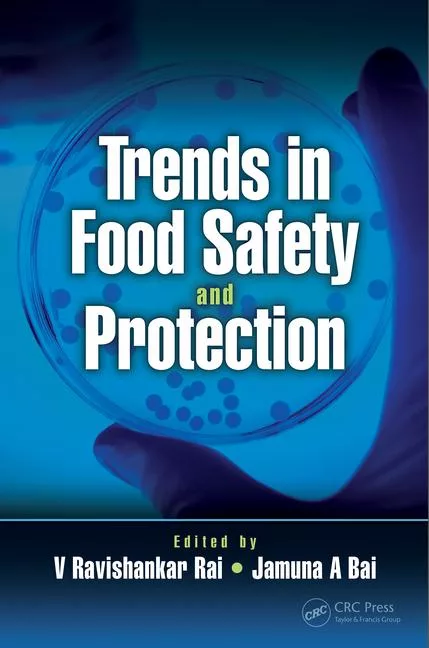
    Trends in Food Safety and Protection

  • 1118396308.jpg

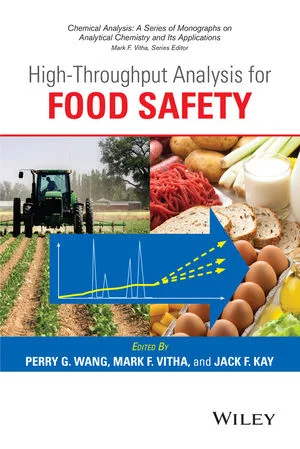
    High Throughput Analysis for Food Safety

See More Products

Events

View AllSubmit An Event
  • September 1, 2026

    Seafood Under the Microscope: FDA HACCP, Pathogen Risk, and Modern Testing Strategies

    Live: September 1, 2026 at 2:00 pm EDT: Attend this webinar to learn how environmental monitoring, rapid pathogen detection, and risk-based testing strengthen seafood safety programs.
View AllSubmit An Event

Related Directories

  • Stop Foodborne Illness

    As the voice of people affected by foodborne illness, we collaborate with partners in academia, the food industry, consumer and public health groups, and government to prevent foodborne illness. We advocate for effective food safety policy and facilitate culture change to increase food safety.
  • Biolog

    Biolog offers tools, services, and support for comprehensive cellular characterization and multi-omic identification of bacteria, yeast, and fungi, as well as phenotypic profiling of microbial and mammalian cells for a range of applications. Our gloveless chambers and pre-reduced media support the culture of fastidious anaerobes, and our accredited services include environmental monitoring and foodborne pathogen testing.
×

Never miss the latest news and trends driving the food safety industry

Newsletters | Website | eMagazine

JOIN TODAY!
  • RESOURCES
    • Advertise
    • Contact Us
    • Directories
    • Store
    • Want More
  • SIGN UP TODAY
    • Create Account
    • eMagazine
    • Newsletters
    • Customer Service
    • Manage Preferences
  • SERVICES
    • Marketing Services
    • Reprints
    • Market Research
    • List Rental
    • Survey/Respondent Access
  • STAY CONNECTED
    • LinkedIn
    • Facebook
    • Instagram
    • X (Twitter)
  • PRIVACY
    • PRIVACY POLICY
    • TERMS & CONDITIONS
    • DO NOT SELL MY PERSONAL INFORMATION
    • PRIVACY REQUEST
    • ACCESSIBILITY

Copyright ©2026. All Rights Reserved BNP Media, Inc. and BNP Media II, LLC.

Design, CMS, Hosting & Web Development :: ePublishing