Food Safety
search
Ask Food Safety AI
cart
facebook twitter linkedin
  • Sign In
  • Create Account
  • Sign Out
  • My Account
Food Safety
  • NEWS
    • Latest News
    • White Papers
  • PRODUCTS
  • TOPICS
    • Contamination Control
    • Food Types
    • Management
    • Process Control
    • Regulatory
    • Sanitation
    • Supply Chain
    • Testing and Analysis
  • PODCAST
  • EXCLUSIVES
    • Food Safety Five Newsreel
    • eBooks
    • FSM Distinguished Service Award
    • Interactive Product Spotlights
    • Videos
  • BUYER'S GUIDE
  • MORE
    • ENEWSLETTER >
      • Archive Issues
      • Subscribe to eNews
    • Store
    • Sponsor Insights
    • ASK FSM AI
  • WEBINARS
  • FOOD SAFETY SUMMIT
  • EMAG
    • eMagazine
    • Archive Issues
    • Editorial Advisory Board
    • Contact
    • Advertise
  • SIGN UP!
Food TypeRegulatoryProduceGuidelines

LGMA: Ten Years Later
August 15, 2017

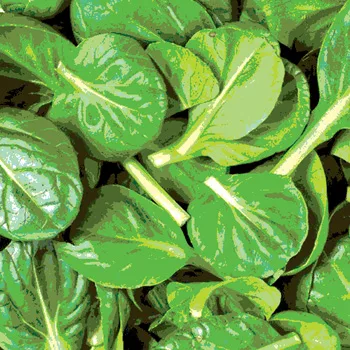
Eleven years have passed since the California fresh produce industry experienced its worst foodborne illness outbreak: Three died and 205 were sickened from the consumption of bagged spinach contaminated with Escherichia coli O157:H7 (see “LGMA Timeline”). Additionally, this outbreak resulted in a loss of consumer confidence in leafy greens and financial losses for the food industry near $1 billion.


     Credit: Food Safety Magazine

LGMA Training

What Is LGMA Tech Training?
    LGMA Tech Training is targeted at supervisory and/or lead food safety personnel who are responsible for ensuring that all workers are adequately trained in their company’s food safety program and LGMA food safety practices. Each of the modules in the training series is based upon the principles of “train the trainer,” which will provide the tools and resources for lead personnel to provide the quality of training necessary to meet this objective.

Six core workshops are currently offered as part of the curriculum; special-topic workshops may be offered as needed.

Food Safety Training in Arizona and California
The California LGMA has a sister program in Arizona that is almost identical.[1] While LGMA Tech Training in California targets supervisors and lead personnel, the AZ LGMA training program targets the fieldworkers responsible for harvesting and packing activities. The AZ LGMA provides a robust set of training tools, including an in-field tailgate training series and supplementary videos for new and returning workers in an indoor setting. LGMA Tech offers its food safety training workshops throughout the growing regions in California.

The following year, in 2007, in association with the California Department of Food and Agriculture (CDFA), the leafy greens industry created the California Leafy Green Products Handler Marketing Agreement (LGMA), which has resulted in improved food safety practices for growers and handlers. A similar program was created in Arizona. Almost 95 percent of lettuce produced in the U.S. is produced under the LGMA programs in California and Arizona. That adds up to about 50 billion servings of leafy greens a year.

The California LGMA program continuously undergoes updates and improvements, thanks to a strong collaboration between industry and university scientists, food safety experts, government officials, farmers, transporters and processors.

Looking Ahead
While many groups throughout the California leafy greens industry participated in the creation of the LGMA, it truly was a collaborative effort that united an entire farming community. And even though the LGMA was necessitated by a tragic event, the real reason this program exists today is because a group of committed individuals vowed to do everything possible to ensure such a tragedy never happens again.

For the leafy greens community, 2017 is a very important year. It marks a decade of protecting public health, which the LGMA plans to commemorate as the year goes on. But it is also a year in which the organization will focus on the future, through expanded training efforts and alignment with the new federal food safety laws, for
example.

Throughout this year, the LGMA will recognize the leafy greens industry’s leaders, farmers, government officials and scientists who are committed to food safety through this program. Of course, it will also continue to support and honor groups like STOP Foodborne Illness, who remind the industry every day why food safety is so important.

In the spirit of continuous improvement, which has guided the LGMA along the way, it will also be offering improved training programs through LGMA Tech (see “LGMA Training”[1]).[2] Additionally, working with the valued industry partner Western Growers, the LGMA is conducting a complete review of the existing metrics for leafy greens to ensure that its food safety practices continue to be based on the best available science and align with new federal food safety regulations.

The year 2018 is when growers must become ready to comply with the new Produce Safety rule, which is part of the Food Safety Modernization Act. The LGMA is working closely with the U.S. Food and Drug Administration and CDFA to ensure that growers’ food safety programs can verify compliance with the Produce Safety rule at the same time growers are being audited for the LGMA.

Food safety is a process, not a one-time task. The LGMA program helps member companies establish a culture of food safety on the farm. This means that food safety happens every day and that every employee has a role to play. Continuous improvement through training and education is a top priority for the LGMA, which requires and facilitates training for leafy greens shippers, growers and harvest crews throughout California.   

References
1. www.arizonaleafygreens.org/.
2. www.lgma.ca.gov/food-safety-program/training/.


Author(s): Food Safety Magazine

Looking for quick answers on food safety topics?
Try Ask FSM, our new smart AI search tool.
Ask FSM →


Share This Story

Recommended Content

JOIN TODAY
to unlock your recommendations.

Already have an account? Sign In

  • people holding baby chicks

    Serovar Differences Matter: Utility of Deep Serotyping in Broiler Production and Processing

    This article discusses the significance of Salmonella in...
    Microbiological
    By: Nikki Shariat Ph.D.
  • woman washing hands

    Building a Culture of Hygiene in the Food Processing Plant

    Everyone entering a food processing facility needs to...
    Training
    By: Richard F. Stier, M.S.
  • graphical representation of earth over dirt

    Climate Change and Emerging Risks to Food Safety: Building Climate Resilience

    This article examines the multifaceted threats to food...
    Contamination Control
    By: Maria Cristina Tirado Ph.D., D.V.M. and Shamini Albert Raj M.A.
Manage My Account
  • eMagazine Subscription
  • Subscribe to eNewsletter
  • Manage My Preferences
  • Website Registration
  • Subscription Customer Service

More Videos

Sponsored Content

Sponsored Content is a special paid section where industry companies provide high quality, objective, non-commercial content around topics of interest to the Food Safety Magazine audience. All Sponsored Content is supplied by the advertising company and any opinions expressed in this article are those of the author and not necessarily reflect the views of Food Safety Magazine or its parent company, BNP Media. Interested in participating in our Sponsored Content section? Contact your local rep!

close
  • Salmonella bacteria
    Sponsored byThermoFisher

    Food Microbiology Testing Methods: Salmonella species

  • a diagram explaining indicator organisms
    Sponsored byHygiena

    How Proactive Listeria Testing Helps Prevent Six- and Seven-Figure Recalls

  • woman grocery shopping
    Sponsored byCorbion

    Designing Safety Into Every Bite: Proactive Risk Mitigation for Refrigerated Foods

Popular Stories

NRTE breaded stuffed chicken

USDA Indefinitely Delays Enforcement of Salmonella as Adulterant in Raw Breaded, Stuffed Chicken

non-conforming product

How to Handle Non-Conforming Product

spoonfuls of food ingredients

FDA’s Developing Rule to Tighten GRAS Oversight Moves to White House

Events

December 11, 2025

How to Develop and Implement an Effective Food Defense Strategy

Live: December 11, 2025 at 2:00 pm EDT: From this webinar, attendees will learn common areas where companies encounter challenges in their food defense strategies and how to address them.

May 11, 2026

The Food Safety Summit

Stay informed on the latest food safety trends, innovations, emerging challenges, and expert analysis. Leave the Summit with actionable insights ready to drive measurable improvements in your organization. Do not miss this opportunity to learn from experts about contamination control, food safety culture, regulations, sanitation, supply chain traceability, and so much more.

View All

Products

Global Food Safety Microbial Interventions and Molecular Advancements

Global Food Safety Microbial Interventions and Molecular Advancements

See More Products

Related Articles

  • eggs

    Ten Years Later: Defining Food Fraud and Envisioning the Future

    See More
  • The Leafy Greens Marketing Agreement: 5 Years Later

    See More
  • food safety insights

    Food Safety Insights: 5 Years Later, Part 2

    See More

Related Products

See More Products
  • 1119237963.jpg

    Food Safety in China: Science, Technology, Management and Regulation

  • 1119258073.jpg

    FSMA and Food Safety Systems: Understanding and Implementing the Rules

  • 1118474600.jpg

    Practical Food Safety: Contemporary Issues and Future Directions

See More Products

Related Directories

  • Spraying Systems Co.

    No other supplier can match the depth of our product line – 100,000+. Our broad product line is the result of our sole focus on spray technology. It started over 85 years ago with the development of our first full cone and hollow cone nozzles which were used mostly for cleaning and cooling. Ten years later we were making nozzles for specific operations like spray drying and descaling. Today, our products are used in more than 200 industries and in cleaning, coating, cooling, drying, lubricating, dispensing, sanitizing, marking and dozens of other operations.
  • Ethos Biosciences

    Ethos Biosciences is a manufacturer of standard and custom assays (ELISAs, rapid tests), buffers and reagents. With more than 20 years of CDMO lateral flow (LFA) / rapid test and ELISA services, we continue to expand our capabilities and capacity for this critical portion of the medical device and diagnostics supply chain.
  • Rootwurks

    Rootwurks is an e-learning and risk management company built by a team of experts with more than 100 years of combined knowledge and experience in compliance and safety training. After many years spent in senior roles at one of the largest food safety training companies in the country, our founders launched Rootwurks and built the Rootwurks Learning Experience Platform (LXP) to help companies navigate the complex and crucial safety and compliance demands of the food industry.
×

Never miss the latest news and trends driving the food safety industry

eNewsletter | Website | eMagazine

JOIN TODAY!
  • RESOURCES
    • Advertise
    • Contact Us
    • Directories
    • Store
    • Want More
  • SIGN UP TODAY
    • Create Account
    • eMagazine
    • eNewsletter
    • Customer Service
    • Manage Preferences
  • SERVICES
    • Marketing Services
    • Reprints
    • Market Research
    • List Rental
    • Survey/Respondent Access
  • STAY CONNECTED
    • LinkedIn
    • Facebook
    • Instagram
    • X (Twitter)
  • PRIVACY
    • PRIVACY POLICY
    • TERMS & CONDITIONS
    • DO NOT SELL MY PERSONAL INFORMATION
    • PRIVACY REQUEST
    • ACCESSIBILITY

Copyright ©2025. All Rights Reserved BNP Media.

Design, CMS, Hosting & Web Development :: ePublishing