Food Safety
search
Ask Food Safety AI
cart
facebook twitter linkedin
  • Sign In
  • Create Account
  • Sign Out
  • My Account
Food Safety
  • NEWS
    • Latest News
    • White Papers
  • PRODUCTS
  • TOPICS
    • Contamination Control
    • Food Types
    • Management
    • Process Control
    • Regulatory
    • Sanitation
    • Supply Chain
    • Testing and Analysis
  • PODCAST
  • EXCLUSIVES
    • Food Safety Five Newsreel
    • eBooks
    • FSM Distinguished Service Award
    • Interactive Product Spotlights
    • Videos
  • BUYER'S GUIDE
  • MORE
    • ENEWSLETTER >
      • Archive Issues
      • Subscribe to eNews
    • Store
    • Sponsor Insights
    • ASK FSM AI
  • WEBINARS
  • FOOD SAFETY SUMMIT
  • EMAG
    • eMagazine
    • Archive Issues
    • Editorial Advisory Board
    • Contact
    • Advertise
  • SIGN UP!
News

FDA Seeks to Revoke GRAS Status for Trans Fats

November 7, 2013


Editor's Note: Because trans fats do not pose an "immediate and present danger" to human health, the staff of Food Safety Magazine does not consider this a true "food safety" issue. However, if partially hydrogenated oils (PHO) do in fact lose their GRAS status, then PHOs will be considered an unsafe food additive once the new rules take effect. Thus, we feel it is important for our readers to be aware of ongoing regulatory developments.


The U.S. Food and Drug Administration (FDA) today announced its preliminary determination that partially hydrogenated oils (PHOs), the primary dietary source of artificial trans fat in processed foods, are not “generally recognized as safe” (GRAS) for use in food. The FDA’s preliminary determination is based on available scientific evidence and the findings of expert scientific panels.

The agency has opened a 60-day comment period on this preliminary determination to collect additional data and to gain input on the time potentially needed for food manufacturers to reformulate products that currently contain artificial trans fat should this determination be finalized.

“While consumption of potentially harmful artificial trans fat has declined over the last two decades in the United States, current intake remains a significant public health concern,” said FDA Commissioner Margaret A. Hamburg, M.D. “The FDA’s action today is an important step toward protecting more Americans from the potential dangers of trans fat. Further reduction in the amount of trans fat in the American diet could prevent an additional 20,000 heart attacks and 7,000 deaths from heart disease each year – a critical step in the protection of Americans’ health.”

Consumption of trans fat raises low-density lipoprotein (LDL), or “bad” cholesterol, increasing the risk of coronary heart disease. The independent Institute of Medicine (IOM) has concluded that trans fat provides no known health benefit and that there is no safe level of consumption of artificial trans fat. Additionally, the IOM recommends that consumption of trans fat should be as low as possible while consuming a nutritionally adequate diet.

In recent years, many food manufacturers and retailers have voluntarily decreased trans fat levels in many foods and products they sell. Trans fat can be found in some processed foods, such as certain desserts, microwave popcorn products, frozen pizzas, margarines and coffee creamers. Numerous retailers and manufacturers have already demonstrated that many of these products can be made without trans fat.

Thanks to these efforts, along with public education, the consumption of trans fat in American diets has been significantly reduced. Since trans fat content information began appearing in the Nutrition Facts label of foods in 2006, trans fat intake among American consumers has declined from 4.6 grams per day in 2003 to about 1 gram per day in 2012.

Looking for quick answers on food safety topics?
Try Ask FSM, our new smart AI search tool.
Ask FSM →

“One of the FDA’s core regulatory functions is ensuring that food, including all substances added to food, is safe,” said Michael Taylor, the FDA’s deputy commissioner for foods and veterinary medicine. “Food manufacturers have voluntarily decreased trans fat levels in many foods in recent years, but a substantial number of products still contain partially hydrogenated oils, which are the major source of trans fat in processed food.”

Following a review of the submitted comments, if the FDA finalizes its preliminary determination, PHOs would be considered “food additives” and could not be used in food unless authorized by regulation. If such a determination were made, the agency would provide adequate time for producers to reformulate products in order to minimize market disruption. The FDA’s preliminary determination is only with regard to PHOs and does not affect trans fat that naturally occurs in small amounts in certain meat and dairy products.

In response to the FDA's announcement, U.S. Senator Tom Harkin (D-IA), chairman of the Senate Health, Education, Labor, and Pensions (HELP) Committee, today issued a statement praising the FDA's actions. The statement noted that this past February, Harkin had sent a letter to FDA, urging the agency to deny GRAS status to partially hydrogenated oil in light of growing research showing the health benefits of such a ban for consumers.

In today's statement, Harkin said, “The consumption of trans fat poses a serious health threat by increasing blood cholesterol and the risk of heart disease—the leading cause of death for Americans. Eliminating artificial trans fats from our food supply will be an enormous step towards improving our public health and reducing our health care costs, as well as potentially helping to prevent thousands of premature, fatal heart attacks each year. The FDA has taken bold action by taking the next steps in examining the ‘safe status’ of partially hydrogenated oil and I applaud the agency for doing so.” 

For more information on trans fats in processed foods, see the FDA's Consumer Update page.

View the docket at the Federal Register, Submit comments electronically to the docket through Regulations.gov, To submit comments by mail, send to the FDA at:
 
Division of Dockets Management (HFA-305)
Food and Drug Administration
5630 Fishers Lane, Rm. 1061
Rockville, MD 20852
 
All submissions must include the agency name and docket number.


Author(s): Heidi Parsons

Share This Story

Recommended Content

JOIN TODAY
to unlock your recommendations.

Already have an account? Sign In

  • people holding baby chicks

    Serovar Differences Matter: Utility of Deep Serotyping in Broiler Production and Processing

    This article discusses the significance of Salmonella in...
    Methods
    By: Nikki Shariat Ph.D.
  • woman washing hands

    Building a Culture of Hygiene in the Food Processing Plant

    Everyone entering a food processing facility needs to...
    Training
    By: Richard F. Stier, M.S.
  • graphical representation of earth over dirt

    Climate Change and Emerging Risks to Food Safety: Building Climate Resilience

    This article examines the multifaceted threats to food...
    Contamination Control
    By: Maria Cristina Tirado Ph.D., D.V.M. and Shamini Albert Raj M.A.
Manage My Account
  • eMagazine Subscription
  • Subscribe to eNewsletter
  • Manage My Preferences
  • Website Registration
  • Subscription Customer Service

More Videos

Sponsored Content

Sponsored Content is a special paid section where industry companies provide high quality, objective, non-commercial content around topics of interest to the Food Safety Magazine audience. All Sponsored Content is supplied by the advertising company and any opinions expressed in this article are those of the author and not necessarily reflect the views of Food Safety Magazine or its parent company, BNP Media. Interested in participating in our Sponsored Content section? Contact your local rep!

close
  • Salmonella bacteria
    Sponsored byThermoFisher

    Food Microbiology Testing Methods: Salmonella species

  • a diagram explaining indicator organisms
    Sponsored byHygiena

    How Proactive Listeria Testing Helps Prevent Six- and Seven-Figure Recalls

  • woman grocery shopping
    Sponsored byCorbion

    Designing Safety Into Every Bite: Proactive Risk Mitigation for Refrigerated Foods

Popular Stories

NRTE breaded stuffed chicken

USDA Indefinitely Delays Enforcement of Salmonella as Adulterant in Raw Breaded, Stuffed Chicken

non-conforming product

How to Handle Non-Conforming Product

spoonfuls of food ingredients

FDA’s Developing Rule to Tighten GRAS Oversight Moves to White House

Events

December 11, 2025

How to Develop and Implement an Effective Food Defense Strategy

Live: December 11, 2025 at 2:00 pm EDT: From this webinar, attendees will learn common areas where companies encounter challenges in their food defense strategies and how to address them.

May 11, 2026

The Food Safety Summit

Stay informed on the latest food safety trends, innovations, emerging challenges, and expert analysis. Leave the Summit with actionable insights ready to drive measurable improvements in your organization. Do not miss this opportunity to learn from experts about contamination control, food safety culture, regulations, sanitation, supply chain traceability, and so much more.

View All

Products

Global Food Safety Microbial Interventions and Molecular Advancements

Global Food Safety Microbial Interventions and Molecular Advancements

See More Products

Related Articles

  • FDA Says No to Trans Fats; Extends Compliance Date for Food Makers

    See More
  • knife cutting through margarine fda logo overlay

    FDA Finalizes 2015 Determination Revoking GRAS Status for Partially Hydrogenated Oils in Food

    See More
  • Innodal logo

    INNEO Processing Aid for Listeria Receives GRAS Status From FDA, USDA

    See More

Related Products

See More Products
  • 1119053595.jpg

    Food Safety for the 21st Century: Managing HACCP and Food Safety throughout the Global Supply Chain, 2E

  • 1119160553.jpg

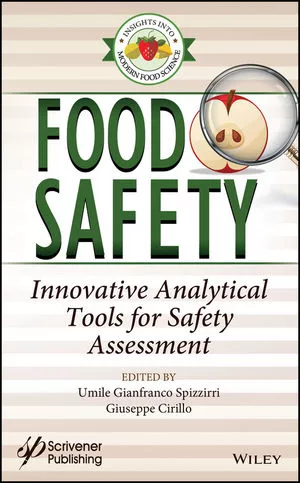
    Food Safety: Innovative Analytical Tools for Safety Assessment

  • 1118396308.jpg

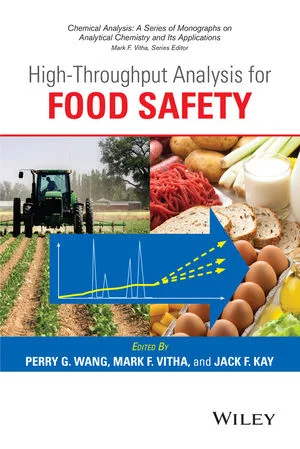
    High Throughput Analysis for Food Safety

See More Products

Related Directories

  • Eagle Product Inspection

    Eagle Product Inspection is a leading manufacturer of hygienically designed x-ray equipment & inline fat analysis systems. Eagle specializes in complex x-ray inspection solutions using dual energy photon-counting technology for bone detection and inline fat analysis for a wide variety of industries, including meat, poultry and seafood.
×

Never miss the latest news and trends driving the food safety industry

eNewsletter | Website | eMagazine

JOIN TODAY!
  • RESOURCES
    • Advertise
    • Contact Us
    • Directories
    • Store
    • Want More
  • SIGN UP TODAY
    • Create Account
    • eMagazine
    • eNewsletter
    • Customer Service
    • Manage Preferences
  • SERVICES
    • Marketing Services
    • Reprints
    • Market Research
    • List Rental
    • Survey/Respondent Access
  • STAY CONNECTED
    • LinkedIn
    • Facebook
    • Instagram
    • X (Twitter)
  • PRIVACY
    • PRIVACY POLICY
    • TERMS & CONDITIONS
    • DO NOT SELL MY PERSONAL INFORMATION
    • PRIVACY REQUEST
    • ACCESSIBILITY

Copyright ©2025. All Rights Reserved BNP Media.

Design, CMS, Hosting & Web Development :: ePublishing