Food Safety
search
Ask Food Safety AI
cart
facebook twitter linkedin
  • Sign In
  • Create Account
  • Sign Out
  • My Account
Food Safety
  • NEWS
    • Latest News
    • White Papers
  • PRODUCTS
  • TOPICS
    • Contamination Control
    • Food Types
    • Management
    • Process Control
    • Regulatory
    • Sanitation
    • Supply Chain
    • Testing and Analysis
  • PODCAST
  • EXCLUSIVES
    • Food Safety Five Newsreel
    • eBooks
    • FSM Distinguished Service Award
    • Interactive Product Spotlights
    • Videos
  • BUYER'S GUIDE
  • MORE
    • ENEWSLETTER >
      • Archive Issues
      • Subscribe to eNews
    • Store
    • Sponsor Insights
    • ASK FSM AI
  • WEBINARS
  • FOOD SAFETY SUMMIT
  • EMAG
    • eMagazine
    • Archive Issues
    • Editorial Advisory Board
    • Contact
    • Advertise
  • SIGN UP!
News

Wegmans Requires Produce Suppliers to Follow Best Food Safety Practices

September 26, 2013


Wegmans Food Markets — a Rochester, NY-based supermarket chain with 82 stores located throughout the Northeast — announced this week that effective September 30, the chain will require all growers that furnish fresh produce to Wegmans to show they’ve passed a “Good Agricultural Practices” (GAPs) inspection.

Wegmans actually began phasing in this requirement in 2008, first for growers of crops thought to be high-risk, such as spinach or melons that had been linked to past outbreaks of illness. Over the next several years, Wegmans expanded the requirement to apply to more kinds of fresh produce, and alerted farmers that the company would eventually require all of its produce partners to pass a GAPs audit.

Leading up to this requirement by Wegmans, the company began hosting food safety education training sessions for growers in 2005, and several hundred growers to date have participated in these programs. “The good news is that nearly all of the growers we work with have already passed a GAPs audit,” said Bill Pool, food safety manager for produce at Wegmans, “and if a grower misses this deadline, we’ll look at reinstatement after they’ve passed an inspection.”

The GAPs movement in this country arose in response to growing public concern about outbreaks of illness linked to crops often consumed raw such as spinach, tomatoes, lettuce, melons, and green onions. In 1998, the U.S. Food and Drug Administration (FDA) published recommendations to growers regarding water quality used in irrigating and harvesting crops, how manure is handled, worker hygiene, and the importance of a written food-safety plan. The recommendations were designed to lower the risk of microbial contamination incidents leading to foodborne illness outbreaks.

By 2002, the U.S. Department of Agriculture (USDA) had designed a voluntary audit system that pinpointed key food safety issues for growers and gave them a way to verify that best practices were in place at their farm. Trained auditors personally inspect the farms.

Though voluntary, the audits are rooted in science-based principles of food safety, and have been adopted quickly in North America. In 2012, the USDA Audit Program performed more than 3,000 audits in 46 states, Canada, and Chile, according to the USDA’s Agricultural Marketing Service website.

“These audits are the best way we have to know that a grower is following practices to minimize the chance of pathogens getting into the food supply,” Pool explained. “We all want to keep earning our customers’ trust in the safety of the fresh foods we offer.”

Looking for quick answers on food safety topics?
Try Ask FSM, our new smart AI search tool.
Ask FSM →

Most of the larger growers Wegmans deals with completed audits soon after they became available, Pool said. “Some of the smaller local growers we work with didn’t have the same resources, so it took them longer. We’ve partnered with research universities and held training sessions to help educate smaller growers," he noted. "Food safety concerns apply to farms of all sizes, and it doesn’t really matter if the farm is conventional or organic. The FDA Food Safety Modernization Act has an exemption for small farms, but we believe that rigorous food safety standards should apply to all farms we work with.”

Wegmans hosted day-long education sessions, inviting the growers and picking up costs for training, materials, and food. “We got the growers and the extension educators in the same room at the same time,” Pool said. The training materials helped growers understand the food safety issues behind the GAPs recommendations, and how to get ready for an audit. Wegmans has also reimbursed small growers $400 to help offset costs associated with a completed and verified audit, a policy the company reviews annually.

The training sessions have been offered regularly during the off-season in states where Wegmans stores are found, and Pool expects that the company will continue offering such opportunities in the future. “We’re a growing company, and as we expand, we want all of the growers we deal with to be on board with rigorous standards,” he said.



Author(s): Staff

Share This Story

Recommended Content

JOIN TODAY
to unlock your recommendations.

Already have an account? Sign In

  • people holding baby chicks

    Serovar Differences Matter: Utility of Deep Serotyping in Broiler Production and Processing

    This article discusses the significance of Salmonella in...
    Meat/Poultry
    By: Nikki Shariat Ph.D.
  • woman washing hands

    Building a Culture of Hygiene in the Food Processing Plant

    Everyone entering a food processing facility needs to...
    Personal Hygiene/Handwashing
    By: Richard F. Stier, M.S.
  • graphical representation of earth over dirt

    Climate Change and Emerging Risks to Food Safety: Building Climate Resilience

    This article examines the multifaceted threats to food...
    Contamination Control
    By: Maria Cristina Tirado Ph.D., D.V.M. and Shamini Albert Raj M.A.
Manage My Account
  • eMagazine Subscription
  • Subscribe to eNewsletter
  • Manage My Preferences
  • Website Registration
  • Subscription Customer Service

More Videos

Sponsored Content

Sponsored Content is a special paid section where industry companies provide high quality, objective, non-commercial content around topics of interest to the Food Safety Magazine audience. All Sponsored Content is supplied by the advertising company and any opinions expressed in this article are those of the author and not necessarily reflect the views of Food Safety Magazine or its parent company, BNP Media. Interested in participating in our Sponsored Content section? Contact your local rep!

close
  • Salmonella bacteria
    Sponsored byThermoFisher

    Food Microbiology Testing Methods: Salmonella species

  • a diagram explaining indicator organisms
    Sponsored byHygiena

    How Proactive Listeria Testing Helps Prevent Six- and Seven-Figure Recalls

  • woman grocery shopping
    Sponsored byCorbion

    Designing Safety Into Every Bite: Proactive Risk Mitigation for Refrigerated Foods

Popular Stories

NRTE breaded stuffed chicken

USDA Indefinitely Delays Enforcement of Salmonella as Adulterant in Raw Breaded, Stuffed Chicken

non-conforming product

How to Handle Non-Conforming Product

spoonfuls of food ingredients

FDA’s Developing Rule to Tighten GRAS Oversight Moves to White House

Events

December 11, 2025

How to Develop and Implement an Effective Food Defense Strategy

Live: December 11, 2025 at 2:00 pm EDT: From this webinar, attendees will learn common areas where companies encounter challenges in their food defense strategies and how to address them.

May 11, 2026

The Food Safety Summit

Stay informed on the latest food safety trends, innovations, emerging challenges, and expert analysis. Leave the Summit with actionable insights ready to drive measurable improvements in your organization. Do not miss this opportunity to learn from experts about contamination control, food safety culture, regulations, sanitation, supply chain traceability, and so much more.

View All

Products

Global Food Safety Microbial Interventions and Molecular Advancements

Global Food Safety Microbial Interventions and Molecular Advancements

See More Products

Related Articles

  • ISO 22004 to Help Companies Follow Food Safety Global Best Practices

    See More
  • unique fresh produce

    USDA Educational Webinar Will Connect Produce Safety Research to Food Safety Best Practices

    See More
  • Frozen peas

    A Small Survey of Food Safety Practices by Frozen Vegetable Suppliers

    See More

Related Products

See More Products
  • 9781138198463.jpg

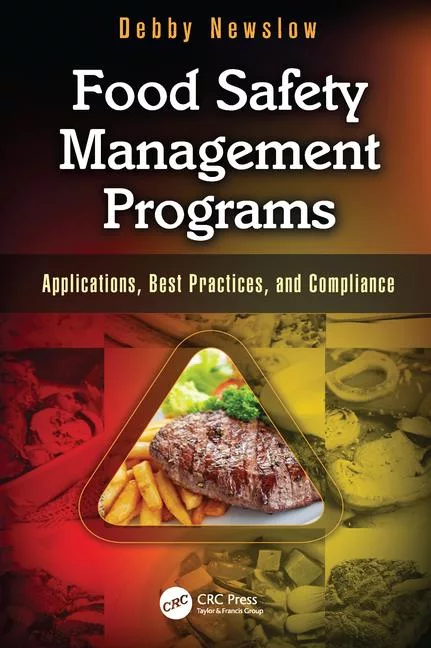
    Food Safety Management Programs: Applications, Best Practices, and Compliance

  • 1119053595.jpg

    Food Safety for the 21st Century: Managing HACCP and Food Safety throughout the Global Supply Chain, 2E

  • 1119160553.jpg

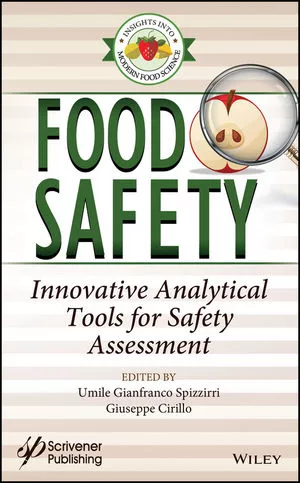
    Food Safety: Innovative Analytical Tools for Safety Assessment

See More Products

Events

View AllSubmit An Event
  • March 4, 2025

    Navigating Food Safety Audits: Expert Tips and Best Practices

    On Demand: This webinar will explore the importance of audits, the types of audits to anticipate, and step-by-step guidance to ensure a seamless experience.
View AllSubmit An Event

Related Directories

  • Best Sanitizers Inc.

    Since 1995, Best Sanitizers, Inc. has supplied the Food Processing and Healthcare industries with high-quality products and support. Our stringent practices and policies ensure reliable performance, giving you confidence in every use. We offer hand soaps, hand sanitizers, surface sanitizers, and industrial cleaners. As the first company to achieve both an E3 rating for an alcohol-based hand sanitizer and a D2 rating for an alcohol/quat-based surface sanitizer, we continue to innovate and provide effective hygiene and sanitation solutions.
  • BD Food Safety Consultants LLC

    We are a Food Safety Training and Consulting firm located in Naperville, IL. Our primary goal is to provide with effective training and consulting solutions for Food Manufacturing and Distributing companies. Our training services include the following: FSPCA PCQI classes, IAVA Courses, IHA Accredited HACCP classes, FSVP Courses and Internal Auditor Training classes. We also offer Learning Management System for food manufacturing industry.
×

Never miss the latest news and trends driving the food safety industry

eNewsletter | Website | eMagazine

JOIN TODAY!
  • RESOURCES
    • Advertise
    • Contact Us
    • Directories
    • Store
    • Want More
  • SIGN UP TODAY
    • Create Account
    • eMagazine
    • eNewsletter
    • Customer Service
    • Manage Preferences
  • SERVICES
    • Marketing Services
    • Reprints
    • Market Research
    • List Rental
    • Survey/Respondent Access
  • STAY CONNECTED
    • LinkedIn
    • Facebook
    • Instagram
    • X (Twitter)
  • PRIVACY
    • PRIVACY POLICY
    • TERMS & CONDITIONS
    • DO NOT SELL MY PERSONAL INFORMATION
    • PRIVACY REQUEST
    • ACCESSIBILITY

Copyright ©2025. All Rights Reserved BNP Media.

Design, CMS, Hosting & Web Development :: ePublishing