World Packaging Day on September 6 is an opportunity to move beyond a simple choice between “more” or “less” packaging. The more useful question is whether each packaging decision supports food safety and sustainability, thereby reducing total waste across the value chain.
According to Nature’s Frequencies, independent third-party laboratory testing has demonstrated freshness improvements of up to 50 percent for produce and bread, and commercial retail programs have documented produce shrink reductions of 23–47 percent.
In this episode of Food Safety Matters, we speak to water activity specialist and researcher Dr. Brady Carter about the importance of understanding water activity for shelf-life prediction, enhancing food safety and quality, and improving food system sustainability.
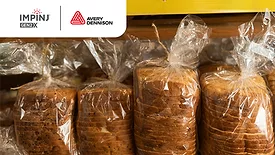
Avery Dennison’s AD IdentiFresh inlay series provides real-time fresh food inventory visibility for both retailers and suppliers across categories like bakery, meat, deli, and produce.
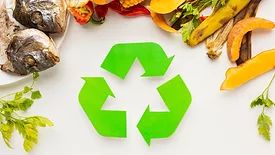
A new review by FAO researchers identifies how food loss and waste (FLW) can disseminate antibiotic resistance (AMR), as well as practices that can either mitigate or exacerbate AMR dissemination from FLW.
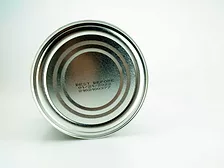
In an effort to reduce food waste caused by consumer confusion, and following new legislation passed in California standardizing the use of “Best By” dates on food, USDA and FDA have issued a joint request for information about industry practices, consumer perceptions, and impacts related to food date labeling.
The Food Date Labeling Act,a bipartisan, bicameral bill, has been reintroduced in Congress to standardize and clarify food date labels to prevent food from being wasted.
Interactive QR codes, when linked with Blue Bite’s connected products platform, can help brands reduce waste and manage recalls by making food products easier to track and trace.
Reducing food waste is imperative for fighting world hunger, and technologies to reduce food waste can also help improve food safety, quality, and shelf life.