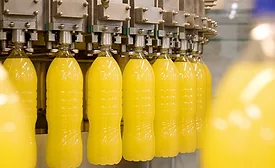
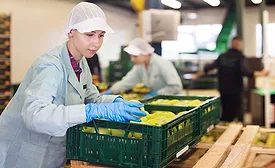
In aseptic systems, product sterilization is only one part of a much larger control strategy. FDA's Acidified and Low-Acid Canned Foods framework outlines the regulatory requirements for producing aseptic products, but a functioning system also depends on effective sanitation, strong control of ingredients and packaging materials, and robust maintenance.
In a global food and beverage industry under pressure from recalls, regulation, litigation, and consumer expectations, food safety is not just about staying compliant; it is about staying in business
Despite new regulations, food safety programs, and third-party audits, food recalls are expected to reach a five-year high. Part two of this article series continues exploring the reasons behind this trend, and identifies a list of precursors that, if identified and addressed, could close critical gaps and help prevent recalls.
Despite new regulations, food safety programs, and third-party audits, food recalls are expected to reach a five-year high. This article speculates about the reasons for this trend, and identifies a list of precursors that, if identified and addressed, could close critical gaps and help prevent recalls.
The rising number of product recalls suggests that a more comprehensive, adaptive approach to prevention is needed. Organizations must evaluate several key areas, including robust operational and quality programs, clear standard operating procedures (SOPs), and comprehensive training programs.
Successful change management programs provide transparency into the manufacturing process and allow for guidance and collaboration to help improve changes.