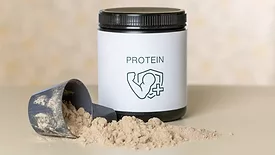
Mycotoxins, PAHs, and other contaminants were also detected. The researchers concluded that plant-based protein supplements may contain chemical contaminants from environmental exposure, agricultural practices, and processing. They called for systematic monitoring, improved controls, and optimization of processing conditions.
The microbiological quality of most ready-to-eat (RTE) plant-based meat, dairy, and fish substitutes was satisfactory, but elevated levels of pathogens and indicators in some commodities raised process and hygiene concerns. An analysis of the products’ physico-chemical properties suggested they could support microbial growth.
The findings from a pre-competitive, industry–academia research collaboration provide a scientific foundation for discussions on quality standards and risk management in the plant-based dairy-alternative beverage sector.
Between 2015 and 2024, the German Federal Office of Consumer Protection and Food Safety (BVL) and the Robert Koch Institute investigated 3,021 foodborne illness outbreaks.
Effective July 1, HB 1153 bans the sale of milk products produced through cell-culturing and sets forth labeling requirements for products containing cell-based, insect-based, or plant-based protein.
Although generally detected at low levels, mycotoxins were present in all plant-based meat alternative and beverage samples, suggesting that cumulative exposure may pose health concerns.
The global trend toward natural and functional foods has fueled the popularity of edible flowers. To investigate the associated food safety risks, researchers conducted a comprehensive literature review, and identified pyrrolizidine and tropane alkaloids as a significant concern.
Intended to prevent misleading or inconsistent labeling of plant-based foods, the national vegan-certified labeling scheme is voluntary and is in line with ISO standards.
Members raised four new specific trade concerns (STCs) regarding: coffee bean imports into China; Thailand's regulation to mitigate aflatoxins in peanut kernels; a ban on imports of aquaculture shrimp in Thailand; and Viet Nam's procedure for the listing of exporting establishments.
 RSS
RSS