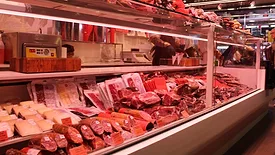
The newly updated Retail Program Standards define the key elements of an effective retail food regulatory program for state, local, tribal, and territorial food regulatory agencies that administer FDA’s Food Code.
This episode covers the final findings from the U.S. Cyclospora outbreak, new USDA efforts to address Listeria, the new FDA Food Code, research on high-pressure processing for raw chicken, and emerging food safety concerns associated with plastic pollution.
Only 65 percent of U.S. adults said they were very or somewhat confident that food sold at most grocery stores is safe to eat. Confidence in the federal government's ability to ensure food safety also reached a new low, at 47 percent.
The community tracker allows people with food allergies to report anaphylaxis and other serious allergic reactions experienced at foodservice establishments, with the intent of filling data gaps about food anaphylaxis, informing allergic consumers, and motivating industry allergen safety practices.
FDA has released the 2026 Food Code, introducing updated model provisions for retail and foodservice establishments on food defense, food safety management systems, employee illness, sanitation, food handling, and other areas.
Based on a nationwide study of retail food store delis, FDA identified employee handwashing and proper cold and hot holding temperatures as areas requiring greater control, and identified Food Safety Management Systems (FSMS) as the strongest predictor of food safety compliance.
The World Food Safety Guidelines for Airline Catering Version 6 establishes minimum food safety requirements for airline catering operations and incorporates requirements from internationally recognized food safety standards.
Based on an analysis of 2.8 million samples collected in 41 countries over 25 years, the global pooled prevalence of foodborne and zoonotic bacteria, viruses, and parasites was 15 percent.
A total of 68.8 percent of vendors were noncompliant with Food Safety and Standards Authority of India (FSSAI) regulatory requirements. Only 21.8 percent of participating vendors reported having received any food safety training.
Most restaurant brands already collect enough third-party audit data to understand risk better, but the data are usually trapped in a compliance framework. The problem is not a lack of data; it is that the data are organized around checklist completion rather than outbreak causation.