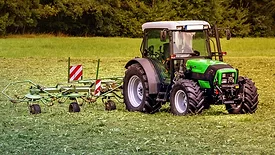

The U.S. Food and Drug Administration (FDA) and U.S. Department of Agriculture (USDA) will be hosting webinars for Latin American stakeholders on the Food Safety Modernization Act (FSMA) Produce Safety rule.
For all the food safety benefits that Hazard Analysis and Critical Control Points (HACCP) and preventive controls have brought us, perhaps public health would be better served if companies put the most effort toward managing their greatest risks instead of thinking of risk in yes/no terms.
From here we will go into the steps of building the plan to protect customers and consumers from food safety hazards and prevent damage to brand equity and company reputation. Of course, we’ll discuss the qualifications for writing the plan as well as confirm it is also for regulatory conformance; but the first two are the primary motivation for the plan.
This article outlines the identification of and responses to these outbreaks, the actions taken to prevent future outbreaks, the challenges encountered, possible contamination routes, and how current regulations may affect sprout safety.
After more than a decade, the U.S. Food and Drug Administration (FDA) is using the Rapid Response Team model to support the Domestic Mutual Reliance program.
Understanding the applicability of the Food Safety Modernization Act to the dietary supplement industry is another confusing and challenging regulatory issue for an industry still struggling with Current Good Manufacturing Practices.
Given the potentially fatal consequences of an undeclared allergen, relying on food labels to ensure the safety of allergic consumers may not seem sufficiently protective.