RSS
RSS
Management


Food Documents as Food Fraud Facilitators
Food fraud is accomplished in numerous ways, and document fraud may be one of the easiest ways for food fraudsters to operate undetected
Read More

Recent Outbreaks of Listeriosis Linked to Fresh, Soft Queso Fresco-Type Cheeses in the U.S.
Since 2000, outbreaks have been attributed to fresh, soft Queso Fresco-type cheeses made from pasteurized milk, which have been contaminated by L. monocytogenes after pasteurization
Read More

Looking Back: E.coli O157:H7 and the Legacy of Dr. David Theno
The story of the 1992–1993 Jack in the Box outbreak is well documented, but how E. coli O157:H7 first showed up on the radar is less known
Read More

An Information Sharing and Analysis Center for the Food and Agriculture Sector
The food and agriculture sector is the only U.S. critical infrastructure without a threat Information Sharing and Analysis Center (ISAC)
Read More


Why a Paradigm Shift is Needed in Food Safety Auditing
The future of food safety auditing will be different from what we know today, but the pace of change must be faster
Read More

Reducing Food Safety Risks in Meal Kits
In the lack of specific regulations, businesses that are involved in meal kits have a responsibility to minimize food safety risks.
Read More
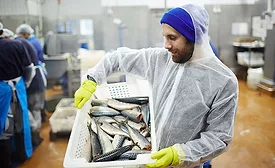
How Food Manufacturers Have Responded to the COVID-19 Pandemic—Part 2
Six of the seven facilities assessed reported a "noticeable" or "significant" improvement in food safety culture behaviors of workers
Read More