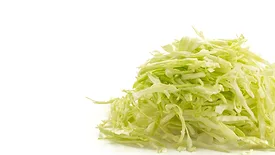
Automated, risk-tiered supplier monitoring does not prevent an outbreak (like this summer's cyclosporiasis event) or replace the traceback work done by FDA and CDC, but it can change how fast and how precisely a distributor can act while that investigation unfolds.
The recent Cyclospora outbreak linked to shredded iceberg lettuce is a reminder of just how difficult modern foodborne outbreak investigations have become. In reality, food safety investigations rarely depend on a single "smoking gun." The future of ensuring food safety lies not in simply improving any one test or technology, but in integrating them into a comprehensive decision-support system.
Michigan and Ohio recently updated their case counts in a massive Cyclosporacayetanensis outbreak, bringing state-reported totals for all 50 states to at least 21,775 cases. Michigan also reported two deaths tied to the outbreak.
Science and decision-making rarely operate on the same timeline. While scientists continue evaluating new evidence, people across the food system are making decisions based on the best information available at that moment. This creates a natural tension, as the ongoing Cyclospora outbreak investigation has demonstrated
At least 1,947 people infected with Cyclospora who had exposure to Taco Bell have been reported in nine states. Michigan and Ohio are together reporting more than 10,000 cyclosporiasis cases. FDA is investigating three other outbreak clusters.
The growing collection includes scientific publications and guidances on detection and viability methods, agricultural water monitoring and treatment, mitigation strategies, and the biology and epidemiology of the parasite.
Several senators have written letters to U.S. Health Secretary Kennedy urging Cyclospora surveillance to be restored to the FoodNet program. Experts say that FoodNet cuts, although problematic, did not cause the current outbreak.
By the same time last year, CDC had only reported 249 confirmed, domestically acquired Cyclospora infections across the entire U.S. States’ reports may include both probable and confirmed cases.
Between 1,600 and 5,000 people are sick in a five-state cyclosporiasis outbreak, according to CDC and Michigan officials. Iceberg lettuce supplied by Taylor Farms of Mexico to companies like Taco Bell and Walmart has been identified as the vehicle of infection. FDA has rescinded a previous positive product sample finding.
The outbreak cluster includes more than 1,600 people in Indiana, Kentucky, Michigan, Ohio, and West Virginia. Outside of the outbreak cluster, Michigan and other parts of the U.S. continue to experience elevated rates of Cyclospora infections compared to previous years.