In a September 17 hearing before the Senate HELP Committee, former CDC Director Dr. Susan Monarez, alongside now-resigned top CDC scientific expert Dr. Debra Houry, described the current climate at the agency and the circumstances surrounding Dr. Monarez’s termination.
This episode of Food Safety Five discusses recent events at CDC, from the loss of officials to program cuts, and how these changes are impacting food safety work.
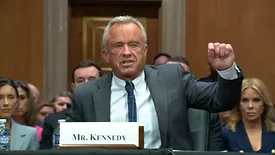
In two letters, thousands of public health professionals from dozens of stakeholder groups and federal agencies have called for the resignation of HHS Secretary Robert F. Kennedy Jr. (RFK Jr.), saying he is making Americans “less safe in a multitude of ways,” including food safety.
Following the firing of former CDC Director Susan Monarez, Ph.D. on August 27, HHS Deputy Secretary Jim O’Neill, who has no medical or infectious disease training, has been named CDC Acting Director.
Nominated by President Trump and confirmed in July, CDC Director Susan Monarez, Ph.D., was fired after scientific clashes with HHS Secretary Kennedy (RFK Jr.) and refusing to dismiss three veteran officials, who also departed CDC shortly after her termination was finalized.
Citing insufficient funding, CDC’s Foodborne Diseases Active Surveillance Network (FoodNet) program has reduced surveillance from eight important foodborne pathogens to just two—Salmonella and Shiga-toxin-producing Escherichia coli (STEC).
A leaked draft of the second Make America Healthy Again (MAHA) Strategy Report has scant new specifics on how the Administration intends to tackle childhood chronic disease, but it outlines an approach that continues to rely on voluntary industry compliance and deregulation for food system reform, which has drawn criticism.
In this episode of Food Safety Matters, we speak to George Misko, a legal expert on the regulation of food and food contact materials, about the recent “Make America Healthy Again” (MAHA) Report calling for changes to the “Generally Recognized as Safe” (GRAS) provision, food additives, and food contact materials oversight—and the potential regulatory implications.
On July 29, the Senate confirmed Trump Nominee Susan Monarez, Ph.D. as the new director of the U.S. Centers for Disease Control and Prevention (CDC). She is an immunologist and microbiologist, and the agency’s first non-physician Director in more than 70 years.
The fiscal 2026 budget request from the U.S. Department of Health and Human Services touches on infant formula, ultra-processed foods, and other HHS priorities that Food Safety Magazine has reported on.