Food industry representatives and consumer advocacy groups have shared their comments, which are varied in opinion, submitted in response to FDA and USDA’s joint request for information to support a federal definition for ultra-processed foods (UPFs).
Americans for Ingredient Transparency (AFIT) is campaigning for federal action to “correct a maze of state-by-state-laws” that restrict or prohibit the use of colorants, additives, and ingredients in foods. AFIT is backed by many of the largest food industry associations and companies, some of which have made voluntary commitments to phase out food dyes or other additives.
The International Association of Color Manufacturers has filed a lawsuit against the recently enacted West Virginia House Bill 2354, which prohibits foods containing certain artificial colorants and additives from being sold in the state, arguing that it is unconstitutional and unlawful.
Assembly Bill (AB) 1264, titled, the Real Food, Healthy Kids Act, establishes a legal definition for ultra-processed foods, and tasks the state Department of Public Health with identifying and banning particularly harmful ultra-processed foods from California schools.
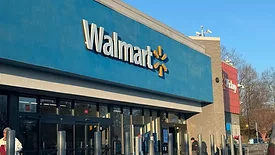
Walmart is the latest company to say it will remove synthetic dyes from its private-label food brands, as well as 30 other additives, including certain preservatives, artificial sweeteners, and fat substitutes.
In a September 17 hearing before the Senate HELP Committee, former CDC Director Dr. Susan Monarez, alongside now-resigned top CDC scientific expert Dr. Debra Houry, described the current climate at the agency and the circumstances surrounding Dr. Monarez’s termination.
This episode of Food Safety Five discusses recent events at CDC, from the loss of officials to program cuts, and how these changes are impacting food safety work.
The final Make America Healthy Again (MAHA) Report was unveiled in a September 9 press conference led by HHS Secretary Robert F. Kennedy Jr. Food safety, consumer, and environmental stakeholder groups criticize the report’s deregulatory approach and lack of enforceable actions.
FDA officially revealed its intent to issue a proposed rule that would make significant changes to the Generally Recognized as Safe (GRAS) process, which, at present, enables the introduction of ingredients to the U.S. food supply without formal safety review.
The Campbell’s Company is the latest food company to pledge to end the use of artificial food dyes in its products following HHS’/FDA’s prompting, reflecting HHS Secretary Kennedy’s MAHA movement, changing consumer preferences, and state additives bans.