Food Safety
search
Ask Food Safety AI
cart
facebook twitter linkedin instagram youtube
  • Sign In
  • Join Today
  • Sign Out
  • My Account
Food Safety
  • NEWS
    • Latest News
    • Food Safety Five Newsreel
  • PRODUCTS
  • TOPICS
    • Contamination Control
    • Food Types
    • Management
    • Process Control
    • Regulatory
    • Sanitation
    • Supply Chain
    • Testing and Analysis
  • PODCAST
  • EXCLUSIVES
    • eBooks
    • Sponsored Insights
    • Sponsored White Papers
    • FSM Distinguished Service Award
    • Interactive Product Spotlights
    • Videos
  • MORE
    • BUYER'S GUIDE
    • NEWSLETTERS >
      • Archive Issues
    • Store
    • ASK FSM AI
  • WEBINARS
  • FOOD SAFETY SUMMIT
  • FSM FEATURES
    • FSM Features Collection
    • eMag Archives
    • Op-Eds
    • Editorial Advisory Board
    • Contact
    • Advertise
  • JOIN
NewsContamination ControlFood TypeRegulatoryChemical ControlIngredientsFDA

FDA Files Petitions to Rescind Approvals for Four Carcinogenic Food, Color Additives

By Food Safety Magazine Editorial Team
steaming mug of coffee with beans in background

Image credit: acekreations via Pixabay

January 18, 2024

The U.S. Food and Drug Administration (FDA) has filed two petitions by influential consumer advocacy groups asking the agency to rescind its approvals for four carcinogenic chemicals used as food additives and color additives—benzene, trichloroethylene (TCE), methylene chloride, and ethylene dichloride. The petitions were submitted by the Environmental Defense Fund, Breast Cancer Prevention Partners, the Center for Environmental Health, Environmental Working Group (EWG), and Lisa Lefferts, an environmental health consultant.

The chemicals are used as solvents in decaffeinated coffee, hops and hop extracts, spice extracts, in ink used to mark produce, in water used to wash sugar beets, and to dilute pesticides. The petitioners assert that the additives are known or anticipated to cause multiple forms of cancer, including liver cancer, kidney cancer, lung cancer, leukemia, and non-Hodgkin lymphoma. In addition to cancer, the chemicals have been linked to health effects like fetal cardiac malformations and other developmental problems (TCE), decreased blood cell counts (benzene), kidney damage (ethylene dichloride), and liver harm (methylene chloride).

In 2023, the U.S. Environmental Protection Agency (EPA) proposed to eliminate all uses of TCE and most uses of methylene chloride regulated under the Toxic Substances Control Act due to their risks for cancer and other serious health harms. However, food uses regulated by FDA under the Federal Food, Drug, and Cosmetic Act remain.

Looking for quick answers on food safety topics?
Try Ask FSM, our new smart AI search tool.
Ask FSM →


KEYWORDS: additives color additive consumer groups Environmental Working Group

Share This Story

Fsm purple logo 200x200

The Food Safety Magazine editorial team comprises Bailee Henderson, Director of Content Strategy and news editor ✉, and Adrienne Blume, M.A., Director of Editorial and Industry Engagement.

Recommended Content

JOIN TODAY
to unlock your recommendations.

Already have an account? Sign In

  • people holding baby chicks

    Serovar Differences Matter: Utility of Deep Serotyping in Broiler Production and Processing

    This article discusses the significance of Salmonella in...
    Food Type
    By: Nikki Shariat Ph.D.
  • woman washing hands

    Building a Culture of Hygiene in the Food Processing Plant

    Everyone entering a food processing facility needs to...
    Personal Hygiene/Handwashing
    By: Richard F. Stier, M.S.
  • graphical representation of earth over dirt

    Climate Change and Emerging Risks to Food Safety: Building Climate Resilience

    This article examines the multifaceted threats to food...
    Contamination Control
    By: Maria Cristina Tirado Ph.D., D.V.M. and Shamini Albert Raj M.A.
Manage My Account
  • Join Food Safety Magazine
  • Manage My Preferences
  • Customer Service

More Videos

Sponsored Content

Sponsored Content is a special paid section where industry companies provide high quality, objective, non-commercial content around topics of interest to the Food Safety Magazine audience. All Sponsored Content is supplied by the advertising company and any opinions expressed in this article are those of the author and not necessarily reflect the views of Food Safety Magazine or its parent company, BNP Media. Interested in participating in our Sponsored Content section? Contact your local rep!

close
  • pre-packaged salads, noodles, and prepared meals stocked on multi-tier grocery store refrigerator shelves
    Sponsored byCorbion

    How Many Days of Shelf Life Are You Leaving on the Table?

  • Top view portrait of two factory workers standing by conveyor belt during quality inspection at food production, copy space
    Sponsored byFlexXray

    Foreign Material By the Numbers: What the 2026 Benchmark Report Reveals

  • a conveyorized industrial metal detector system that appears to resemble a Loma Systems IQ4 Metal Detector setup with an integrated conveyor belt and control panel for food or package inspection.
    Sponsored byMettler Toledo

    Beyond Detection: How to Avoid Physical Contamination in Food Through a Smarter Inspection Strategy

Popular Stories

AI and Advanced Analytics eBook

eBook | AI and Advanced Analytics for Smarter Food Safety Management

man in suit inspector looking at documents in restaurant kitchen

FDA Issues 2026 Voluntary National Retail Food Regulatory Program Standards

Quality control in a food processing facility

Bridging the Gap Between Policy, Science, and Practice in Food Safety

AI and Advanced Analytics ebook

Events

December 2, 2026

Beyond Surface Clean: Tackling Biofilms and Persistent Pathogens

Live: December 2, 2026 at 11:00 am EST: Attend this webinar to understand why chlorine dioxide is not chlorine, and what “ultra-pure” means for residues, byproducts, and effectiveness.

December 3, 2026

How to Use AI to Improve Workforce Training

Live: December 3, 2026 at 11:00 am EST: This webinar will cover best practices for reviewing, refining, and governing AI-generated training content for accuracy and consistency.

December 8, 2026

Best Practices for Responding to a Foodborne Outbreak Investigation

Live: December 8, 2026 at 2:00 pm EST: Attendees will gain practical insight into the roles and expectations of industry and government during foodborne illness investigations, and how effective collaboration can support timely investigations and the best possible public health outcome.

View All

Products

Global Food Safety Microbial Interventions and Molecular Advancements

Global Food Safety Microbial Interventions and Molecular Advancements

See More Products

Related Articles

  • scientist looks at clear liquid chemical in a flask

    FDA Revokes Authorizations for Certain Chemicals Used in Food Color Additives

    See More
  • colorful gummy bears

    U.S. Bill Introduced to Ban Synthetic Color Additives in Food, Drugs, Cosmetics

    See More
  • FSS news generic image

    FDA announces effective date for final rule adding soy leghemoglobin to list of color additives exempt from certification

    See More

Related Products

See More Products
  • 1119053595.jpg

    Food Safety for the 21st Century: Managing HACCP and Food Safety throughout the Global Supply Chain, 2E

  • 1119160553.jpg

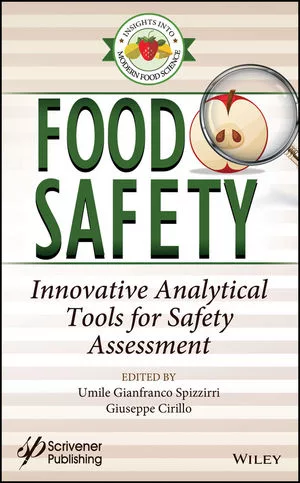
    Food Safety: Innovative Analytical Tools for Safety Assessment

  • 1118396308.jpg

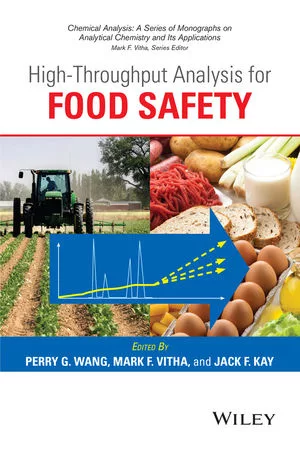
    High Throughput Analysis for Food Safety

See More Products

Events

View AllSubmit An Event
  • March 3, 2026

    FDA/USDA Regulatory Updates: Food Safety Work Plans for 2026

    On Demand: In this high-level, exclusive webinar, FDA Deputy Commissioner for Human Foods Kyle Diamantas and USDA Under Secretary for Food Safety Mindy Brashears, Ph.D. will share their agencies' regulatory priorities and work plans for 2026 and beyond.
View AllSubmit An Event

Related Directories

  • Institute for Food Safety and Health (IFSH) - Illinois Tech

    IFSH is a one-of-a-kind applied food science research consortium comprised of the Illinois Tech, the U.S. FDA, and the food industry. In collaboration with the FDA, we provide stakeholders with the opportunity to develop and exchange knowledge, experience, and expertise in the areas of food safety, food defense, and nutrition.
  • iFoodDS

    iFoodDS provides connected traceability and food safety solutions that help food companies gain greater visibility into their supply chains, manage risk, and improve collaboration across the food system. Through its Trace Exchange™ platform, iFoodDS helps food companies and their trading partners streamline traceability data exchange and participate in a more connected supply chain network. iFoodDS also offers the TraceApproved™ readiness program to help food companies navigate FDA’s Food Traceability Rule and streamline the path to compliance. Visit www.iFoodDS.com to learn more.
×

Never miss the latest news and trends shaping the food safety industry

Newsletters | Website | FSM Features Collection

JOIN TODAY!
  • RESOURCES
    • Advertise
    • Contact Us
    • Directories
    • Store
  • JOIN TODAY
    • Create Account
    • FSM Features Collection
    • Newsletters
    • Customer Service
    • Manage Preferences
  • SERVICES
    • Marketing Services
    • Reprints
    • Market Research
    • List Rental
    • Survey/Respondent Access
  • STAY CONNECTED
    • LinkedIn
    • Facebook
    • Instagram
    • X (Twitter)
    • YouTube
  • PRIVACY
    • PRIVACY POLICY
    • TERMS & CONDITIONS
    • DO NOT SELL MY PERSONAL INFORMATION
    • PRIVACY REQUEST
    • ACCESSIBILITY

Copyright ©2026. All Rights Reserved BNP Media, Inc. and BNP Media II, LLC.

Design, CMS, Hosting & Web Development :: ePublishing