Food Safety
search
Ask Food Safety AI
cart
facebook twitter linkedin
  • Sign In
  • Create Account
  • Sign Out
  • My Account
Food Safety
  • NEWS
    • Latest News
    • White Papers
  • PRODUCTS
  • TOPICS
    • Contamination Control
    • Food Types
    • Management
    • Process Control
    • Regulatory
    • Sanitation
    • Supply Chain
    • Testing and Analysis
  • PODCAST
  • EXCLUSIVES
    • Food Safety Five Newsreel
    • eBooks
    • FSM Distinguished Service Award
    • Interactive Product Spotlights
    • Videos
  • BUYER'S GUIDE
  • MORE
    • ENEWSLETTER >
      • Archive Issues
      • Subscribe to eNews
    • Store
    • Sponsor Insights
    • ASK FSM AI
  • WEBINARS
  • FOOD SAFETY SUMMIT
  • EMAG
    • eMagazine
    • Archive Issues
    • Editorial Advisory Board
    • Contact
    • Advertise
  • SIGN UP!
NewsContamination ControlChemical

Agricultural Chemical Found in Popular Oat Products Eaten by Children
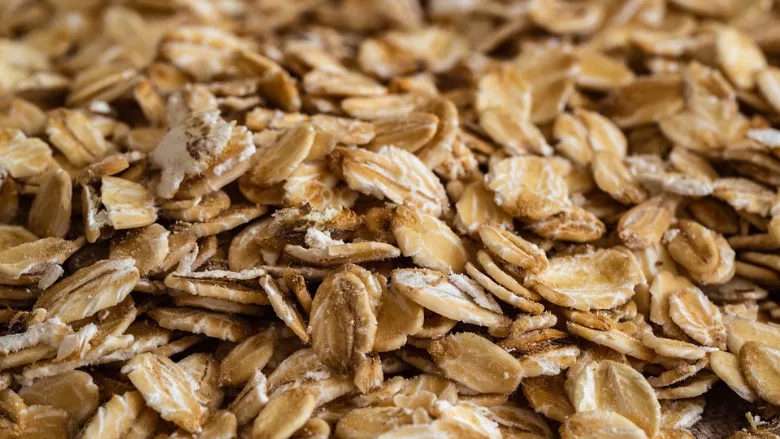
rolled oats

Credit: martin_hetto via Pixabay

February 13, 2023

Popular oat-based food products often eaten by children may contain unsafe levels of chlormequat, an agricultural chemical associated with negative health effects, according to the Environmental Working Group (EWG).

EWG commissioned an independent, accredited laboratory to conduct tests on 14 popular cereals, granolas, and other products made from oats. Chlormequat was found in all but one of the tested products, and eleven products contained chlormequat levels higher than 30 parts per billion (ppb)—the amount that EWG estimates to be safe for children’s health.

The 30 ppb threshold is based in previous animal studies demonstrating negative health effects associated with chlormequat, translating the studies’ health-protective level to a safe level in food using typical serving sizes of oat-based foods and average weights for children. Research has linked the chemical to a number of health problems in mammals, including: disrupting fetal growth, changing how children’s heads and bones develop, altering metabolism, delaying development during puberty, affecting male fertility, decreasing testosterone levels, and harming the nervous system.

Chlormequat is used to alter plant growth, and is applied to oat and grain crops to prevent them from bowing, which makes harvesting difficult.

In the U.S., clormequat is approved for agricultural commercial use on ornamental plants only, not food crops. However, imported oats can contain chlormequat residue. In 2018, the U.S. Environmental Protection Agency (EPA) permitted traces of chlormequat in U.S. foods, including oats, wheat, and barley. In 2020, EPA increased the permitted levels of the chemical in oats.

The EWG-commissioned tests included 13 non-organic, or conventional, oatmeal, granola, cereals and other oat-based products, and one organic granola product, purchased in spring and summer of 2022. Quaker’s Old Fashioned Oats had the highest concentration of chlormequat at 291 ppb, followed by Quaker’s Honey Nut Oatmeal Squares, Quaker’s Maple and Brown Sugar Instant Oatmeal, Great Value Oats & Honey Granola, and Cheerios—all containing levels above 100 ppb.

The only non-organic product with no detectable level of chlormequat was Kellogg’s Special K Fruit and Yogurt. No chlormequat was detected in the single organic granola sample tested.

Looking for quick answers on food safety topics?
Try Ask FSM, our new smart AI search tool.
Ask FSM →


KEYWORDS: chemicals chlormequat Environmental Working Group oats study

Share This Story

Recommended Content

JOIN TODAY
to unlock your recommendations.

Already have an account? Sign In

  • people holding baby chicks

    Serovar Differences Matter: Utility of Deep Serotyping in Broiler Production and Processing

    This article discusses the significance of Salmonella in...
    Microbiological
    By: Nikki Shariat Ph.D.
  • woman washing hands

    Building a Culture of Hygiene in the Food Processing Plant

    Everyone entering a food processing facility needs to...
    Sanitation
    By: Richard F. Stier, M.S.
  • graphical representation of earth over dirt

    Climate Change and Emerging Risks to Food Safety: Building Climate Resilience

    This article examines the multifaceted threats to food...
    Management
    By: Maria Cristina Tirado Ph.D., D.V.M. and Shamini Albert Raj M.A.
Manage My Account
  • eMagazine Subscription
  • Subscribe to eNewsletter
  • Manage My Preferences
  • Website Registration
  • Subscription Customer Service

More Videos

Sponsored Content

Sponsored Content is a special paid section where industry companies provide high quality, objective, non-commercial content around topics of interest to the Food Safety Magazine audience. All Sponsored Content is supplied by the advertising company and any opinions expressed in this article are those of the author and not necessarily reflect the views of Food Safety Magazine or its parent company, BNP Media. Interested in participating in our Sponsored Content section? Contact your local rep!

close
  • Salmonella bacteria
    Sponsored byThermoFisher

    Food Microbiology Testing Methods: Salmonella species

  • a diagram explaining indicator organisms
    Sponsored byHygiena

    How Proactive Listeria Testing Helps Prevent Six- and Seven-Figure Recalls

  • woman grocery shopping
    Sponsored byCorbion

    Designing Safety Into Every Bite: Proactive Risk Mitigation for Refrigerated Foods

Popular Stories

baby eating bottle

Infant Botulism Spike Exceeds 100 Cases, Extent of ByHeart's Involvement Unclear

NRTE breaded stuffed chicken

USDA Indefinitely Delays Enforcement of Salmonella as Adulterant in Raw Breaded, Stuffed Chicken

digital map of europe

EU Publishes Food Fraud Tool Mapping Thousands of Cases Since 2016

Events

December 11, 2025

How to Develop and Implement an Effective Food Defense Strategy

Live: December 11, 2025 at 2:00 pm EDT: From this webinar, attendees will learn common areas where companies encounter challenges in their food defense strategies and how to address them.

May 11, 2026

The Food Safety Summit

Stay informed on the latest food safety trends, innovations, emerging challenges, and expert analysis. Leave the Summit with actionable insights ready to drive measurable improvements in your organization. Do not miss this opportunity to learn from experts about contamination control, food safety culture, regulations, sanitation, supply chain traceability, and so much more.

View All

Products

Global Food Safety Microbial Interventions and Molecular Advancements

Global Food Safety Microbial Interventions and Molecular Advancements

See More Products

Related Articles

  • isolated egg

    PFAS Found in Eggs Laid by Hens that are Fed Contaminated Feed

    See More
  • fennel seeds

    EFSA Concludes Toxin in Fennel Seed Products May Pose Health Risk to Babies and Children

    See More
  • mother father and young daughter eating dinner with rice on the table

    Study Finds That Children Aged 2–5 are Most Highly Exposed U.S. Population to Cadmium in Foods

    See More

Related Products

See More Products
  • 9781138070912.jpg

    Trends in Food Safety and Protection

  • 1119237963.jpg

    Food Safety in China: Science, Technology, Management and Regulation

  • Food-Forensics-3D.jpg

    Food Forensics Handbook Practice, Instrumentation, Case Studies

See More Products

Related Directories

  • ABB Installation Products

    ABB Installation Products is a global leader in the design and manufacturing of premium products used to manage the connection, protection and distribution of electrical power in industrial, construction and utility applications, including food and beverage. With 200,000+ products, ABB Installation Products has over a 100-year heritage and found wherever electricity is used.
  • Spartan Chemical Co. Inc.

    Spartan Chemical Company, Inc. is a recognized leader in cleaning and sanitation solutions for the industrial and institutional market. Spartan formulates and manufactures high quality products from our Maumee, OH headquarters and sells domestically and internationally through distributors. Spartan's products and services are used in food processing and other markets.
×

Never miss the latest news and trends driving the food safety industry

eNewsletter | Website | eMagazine

JOIN TODAY!
  • RESOURCES
    • Advertise
    • Contact Us
    • Directories
    • Store
    • Want More
  • SIGN UP TODAY
    • Create Account
    • eMagazine
    • eNewsletter
    • Customer Service
    • Manage Preferences
  • SERVICES
    • Marketing Services
    • Reprints
    • Market Research
    • List Rental
    • Survey/Respondent Access
  • STAY CONNECTED
    • LinkedIn
    • Facebook
    • Instagram
    • X (Twitter)
  • PRIVACY
    • PRIVACY POLICY
    • TERMS & CONDITIONS
    • DO NOT SELL MY PERSONAL INFORMATION
    • PRIVACY REQUEST
    • ACCESSIBILITY

Copyright ©2025. All Rights Reserved BNP Media.

Design, CMS, Hosting & Web Development :: ePublishing