Food Safety
search
Ask Food Safety AI
cart
facebook twitter linkedin instagram youtube
  • Sign In
  • Join Today
  • Sign Out
  • My Account
Food Safety
  • NEWS
    • Latest News
    • Food Safety Five Newsreel
  • PRODUCTS
  • TOPICS
    • Contamination Control
    • Food Types
    • Management
    • Process Control
    • Regulatory
    • Sanitation
    • Supply Chain
    • Testing and Analysis
  • PODCAST
  • EXCLUSIVES
    • eBooks
    • Sponsored Insights
    • Sponsored White Papers
    • FSM Distinguished Service Award
    • Interactive Product Spotlights
    • Videos
  • MORE
    • BUYER'S GUIDE
    • NEWSLETTERS >
      • Archive Issues
      • Subscribe to eNews
    • Store
    • ASK FSM AI
  • WEBINARS
  • FOOD SAFETY SUMMIT
  • FSM FEATURES
    • FSM Features Collection
    • eMag Archives
    • Editorial Advisory Board
    • Contact
    • Advertise
  • JOIN
NewsRegulatoryUSDA

New USDA Labeling for Genetically Modified Foods Goes into Effect

New USDA Labeling for Genetically Modified Foods Goes into Effect
January 3, 2022

As of January 1, 2022, foods that have been genetically modified—previously labeled as "genetically engineered" or containing "genetically modified organisms," or "GMO"—are receiving a new look. In an effort to unite the different labeling systems for genetically modified foods, and to supersede state-specific regulations on label disclosures for these items, the U.S. Department of Agriculture (USDA) is now requiring these foods to be labeled as "bioengineered." They may also come with a QR code or phone number to help consumers find more information online or by phone.

The changes are part of USDA's National Bioengineered Food Disclosure Standard, which went into effect in January 2020. Previously, labeling requirements for foods containing genetically engineered ingredients were handled on a state-by-state basis, but the new rule aims to avoid this patchwork of state labeling regulations. At present, only a few foods on the market contain modified genes, including apple, canola, corn, eggplant, papaya, pineapple, potato and salmon. Most vegetables, fruits, grains, seeds, and beans do not have genetically modified versions.

The new rule requires food manufacturers, retailers, and importers to disclose if their foods contain bioengineered ingredients, while the terms "genetically engineered" and "GMO" will no longer be accepted on labels. However, other types of official certifications such as "Non-GMO Project Verified" and "USDA Organic" will still be allowed. Dietary supplement manufacturers must also comply with the new labeling rule, although restaurants and other foodservice businesses are not required to follow it.

Some food companies have complained about the timing of the new rule, saying that instituting such a change in the middle of a pandemic-driven supply chain crisis is burdensome to the industry, which is already under intense pressure to deliver products to consumers safely and in a timely manner. USDA says that the "bioengineered" food labeling standard is designed to deliver necessary information to consumers while minimizing costs to companies.

USDA has built in some room for error in the standard, setting a threshold at 5 percent for the "unintended" presence of bioengineered ingredients. This means that highly processed foods made from genetically engineered crops, such as candies, cooking oils, and sodas, would be exempt from the rule if the presence of bioengineered ingredients is less than 5 percent. By contrast, the EU's standard for the "unintended" presence of bioengineered ingredients is set at 0.9 percent.

The new rule also does not cover products that list meat, poultry, or eggs as their first ingredient or their second ingredient after water, broth, or stock. Such products include some frozen prepared foods (e.g., meat lasagna) that may contain genetically modified ingredients without disclosure.


Looking for quick answers on food safety topics?
Try Ask FSM, our new smart AI search tool.
Ask FSM →


KEYWORDS: genetically engineered foods

Share This Story

Recommended Content

JOIN TODAY
to unlock your recommendations.

Already have an account? Sign In

  • people holding baby chicks

    Serovar Differences Matter: Utility of Deep Serotyping in Broiler Production and Processing

    This article discusses the significance of Salmonella in...
    Food Type
    By: Nikki Shariat Ph.D.
  • woman washing hands

    Building a Culture of Hygiene in the Food Processing Plant

    Everyone entering a food processing facility needs to...
    Sanitation
    By: Richard F. Stier, M.S.
  • graphical representation of earth over dirt

    Climate Change and Emerging Risks to Food Safety: Building Climate Resilience

    This article examines the multifaceted threats to food...
    International
    By: Maria Cristina Tirado Ph.D., D.V.M. and Shamini Albert Raj M.A.
Manage My Account
  • Join Food Safety Magazine
  • Manage My Preferences
  • Customer Service

More Videos

Sponsored Content

Sponsored Content is a special paid section where industry companies provide high quality, objective, non-commercial content around topics of interest to the Food Safety Magazine audience. All Sponsored Content is supplied by the advertising company and any opinions expressed in this article are those of the author and not necessarily reflect the views of Food Safety Magazine or its parent company, BNP Media. Interested in participating in our Sponsored Content section? Contact your local rep!

close
  • pre-packaged salads, noodles, and prepared meals stocked on multi-tier grocery store refrigerator shelves
    Sponsored byCorbion

    How Many Days of Shelf Life Are You Leaving on the Table?

  • Top view portrait of two factory workers standing by conveyor belt during quality inspection at food production, copy space
    Sponsored byFlexXray

    Foreign Material By the Numbers: What the 2026 Benchmark Report Reveals

  • a conveyorized industrial metal detector system that appears to resemble a Loma Systems IQ4 Metal Detector setup with an integrated conveyor belt and control panel for food or package inspection.
    Sponsored byMettler Toledo

    Beyond Detection: How to Avoid Physical Contamination in Food Through a Smarter Inspection Strategy

Popular Stories

AI and Advanced Analytics eBook

eBook | AI and Advanced Analytics for Smarter Food Safety Management

dino nuggets and ketchup

WHO Proposes Food Profiling Model to Inform Regulation of Ultra-Processed Foods

man in suit inspector looking at documents in restaurant kitchen

FDA Issues 2026 Voluntary National Retail Food Regulatory Program Standards

AI and Advanced Analytics ebook

Events

November 17, 2026

Are You Getting the Most from Your Food Safety Testing?

Live: November 17, 2026 at 11:00 am EST: Attend this webinar to explore practical ways food processors can modernize sanitation verification and microbiological testing while keeping workflows simple and effective.

December 2, 2026

Beyond Surface Clean: Tackling Biofilms and Persistent Pathogens

Live: December 2, 2026 at 11:00 am EST: Attend this webinar to understand why chlorine dioxide is not chlorine, and what “ultra-pure” means for residues, byproducts, and effectiveness.

December 3, 2026

How to Use AI to Improve Workforce Training

Live: December 3, 2026 at 11:00 am EST: This webinar will cover best practices for reviewing, refining, and governing AI-generated training content for accuracy and consistency.

View All

Products

Global Food Safety Microbial Interventions and Molecular Advancements

Global Food Safety Microbial Interventions and Molecular Advancements

See More Products

Related Articles

  • GMO foods

    Japan Updates Labeling Rules for Genetically Modified Foods

    See More
  • Genetically Modified Foods: Why All the Fuss?

    See More

Related Products

See More Products
  • food-safety-making.jpg

    Food Safety: Making Foods Safe and Free From Pathogens

  • 1118396308.jpg

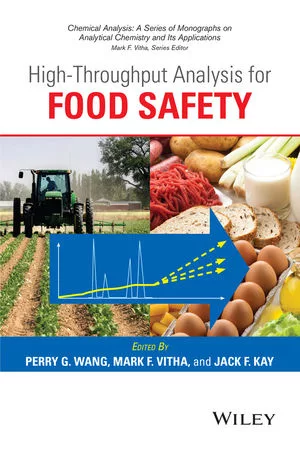
    High Throughput Analysis for Food Safety

  • 1119053595.jpg

    Food Safety for the 21st Century: Managing HACCP and Food Safety throughout the Global Supply Chain, 2E

See More Products

Related Directories

  • Food Safety News

    Food Safety News advances public health by delivering timely, accurate, and comprehensive coverage of foodborne illness outbreaks, recalls, and regulatory developments that impact the safety of our global food supply.
×

Never miss the latest news and trends shaping the food safety industry

Newsletters | Website | FSM Features Collection

JOIN TODAY!
  • RESOURCES
    • Advertise
    • Contact Us
    • Directories
    • Store
  • JOIN TODAY
    • Create Account
    • FSM Features Collection
    • Newsletters
    • Customer Service
    • Manage Preferences
  • SERVICES
    • Marketing Services
    • Reprints
    • Market Research
    • List Rental
    • Survey/Respondent Access
  • STAY CONNECTED
    • LinkedIn
    • Facebook
    • Instagram
    • X (Twitter)
    • YouTube
  • PRIVACY
    • PRIVACY POLICY
    • TERMS & CONDITIONS
    • DO NOT SELL MY PERSONAL INFORMATION
    • PRIVACY REQUEST
    • ACCESSIBILITY

Copyright ©2026. All Rights Reserved BNP Media, Inc. and BNP Media II, LLC.

Design, CMS, Hosting & Web Development :: ePublishing