Food Safety
search
Ask Food Safety AI
cart
facebook twitter linkedin instagram youtube
  • Sign In
  • Create Account
  • Sign Out
  • My Account
Food Safety
  • NEWS
    • Latest News
    • White Papers
  • PRODUCTS
  • TOPICS
    • Contamination Control
    • Food Types
    • Management
    • Process Control
    • Regulatory
    • Sanitation
    • Supply Chain
    • Testing and Analysis
  • PODCAST
  • EXCLUSIVES
    • Food Safety Five Newsreel
    • eBooks
    • FSM Distinguished Service Award
    • Interactive Product Spotlights
    • Videos
  • BUYER'S GUIDE
  • MORE
    • NEWSLETTERS >
      • Archive Issues
      • Subscribe to eNews
    • Store
    • Sponsor Insights
    • ASK FSM AI
  • WEBINARS
  • FOOD SAFETY SUMMIT
  • EMAG
    • eMagazine
    • Archive Issues
    • Editorial Advisory Board
    • Contact
    • Advertise
  • SIGN UP!
NewsRegulatoryHACCPUSDA

New HACCP Model for Raw Intact Beef Available
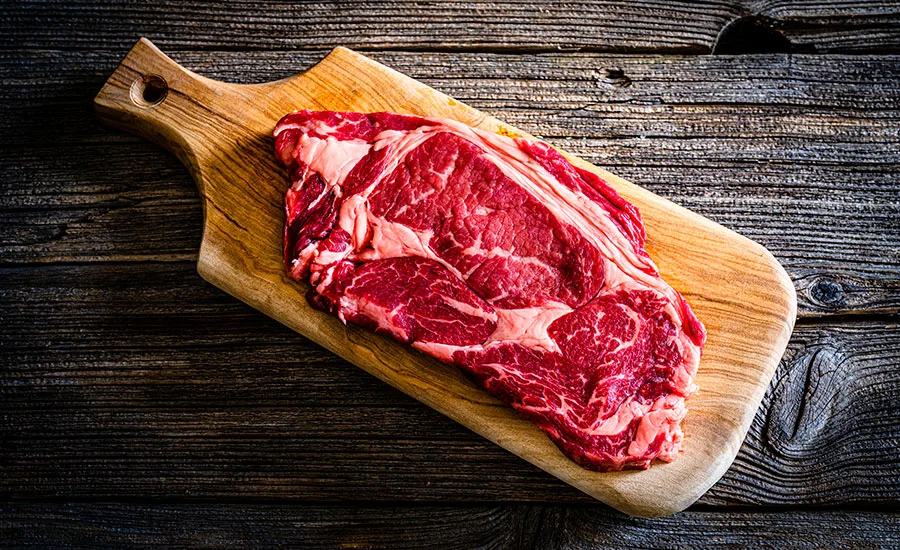
beef on cutting board

Fcafotodigital/Getty Images Plus via Getty Images

December 28, 2021

The U.S. Department of Agriculture's Food Safety and Inspection Service (USDA-FSIS) has released a Generic Hazard Analysis and Critical Control Point (HACCP) Model for Raw, Intact Beef. This model uses the production of beef steaks and roasts to demonstrate hazard analysis and HACCP plan principles. While the model's critical control points (CCPs) do not necessarily apply to all operations or products, it may serve as a starting point for any intact beef products. 

The flow diagram included with the model demonstrates a general production process and should be modified to reflect the processes used at the establishment. The food safety critical limits selected must come from scientific documents or other reliable sources.  This model includes references for guidance on the selection of critical limits.

As announced previously in the October 2, 2020 constituent update, FSIS updated its HACCP guide and multiple generic HACCP models. The agency also developed a new sanitation standard operating procedures (sanitation SOP) guide. The guides and the models are intended to assist establishments in meeting regulatory requirements to produce safe and wholesome products.

The updated guides and models reflect changes in FSIS policy and lessons learned about implementing HACCP since its inception. The materials include updated scientific references and footnotes containing explanatory guidance and links to related sources of information. Consistent with the previous models, each model includes a product description, ingredients list, production flow diagram, hazard analysis, and HACCP plan.

The revised "Guideline for the Preparation of HACCP Plans" leads an establishment through the process of developing a HACCP plan according to seven principles and provides links to additional reference materials. Templates are provided in the guide so the establishment can capture product-specific information.

The contents of the models are not binding. The documents are intended only to provide clarity regarding regulatory requirements. Additional models will be posted as they are revised.

The Generic HACCP Model for Raw, Intact Beef is available here.

Looking for quick answers on food safety topics?
Try Ask FSM, our new smart AI search tool.
Ask FSM →


KEYWORDS: HACCP regulatory USDA

Share This Story

Recommended Content

JOIN TODAY
to unlock your recommendations.

Already have an account? Sign In

  • people holding baby chicks

    Serovar Differences Matter: Utility of Deep Serotyping in Broiler Production and Processing

    This article discusses the significance of Salmonella in...
    Microbiological
    By: Nikki Shariat Ph.D.
  • woman washing hands

    Building a Culture of Hygiene in the Food Processing Plant

    Everyone entering a food processing facility needs to...
    Management
    By: Richard F. Stier, M.S.
  • graphical representation of earth over dirt

    Climate Change and Emerging Risks to Food Safety: Building Climate Resilience

    This article examines the multifaceted threats to food...
    International
    By: Maria Cristina Tirado Ph.D., D.V.M. and Shamini Albert Raj M.A.
Manage My Account
  • eMagazine Subscription
  • Subscribe to Newsletters
  • Manage My Preferences
  • Website Registration
  • Subscription Customer Service

More Videos

Sponsored Content

Sponsored Content is a special paid section where industry companies provide high quality, objective, non-commercial content around topics of interest to the Food Safety Magazine audience. All Sponsored Content is supplied by the advertising company and any opinions expressed in this article are those of the author and not necessarily reflect the views of Food Safety Magazine or its parent company, BNP Media. Interested in participating in our Sponsored Content section? Contact your local rep!

close
  • This image displays a multi-stage water filtration system designed to remove contaminants from drinking water.
    Sponsored byWaterdrop Filter

    The 4.0 ppt Era: Future-Proofing Your Food Supply Chain Against "Forever Chemicals"

  • The image displays a bottling plant production line, commonly used in the beverage industry for filling and packaging soft drinks.
    Sponsored byBIOIONIX

    Sustainability with ROI: A Beverage Producer Case Study in Water Savings

  • factory
    Sponsored byIFC

    A Clean Break to Reset the Environment with Chlorine Dioxide

Popular Stories

magnifying glass hovering over question mark on yellow background

FDA Redacts All Key Details in Summary of Fatal Listeriosis Outbreak Linked to Produce

recalled Pâté en Croûte products from France

Fatal Listeriosis Outbreak in France Linked to RTE Meats

industrial oven thermometer gage

Study Identifies Critical Temperature Threshold During Food Processing to Inactivate Norovirus

Events

March 26, 2026

Continuous Pathogen Control: Enhancing Sanitation and Environmental Monitoring in Food Processing

Live: March 26, 2026, at 2:00 pm EST: This session explores the role of continuous airborne pathogen control technology in supporting sanitation and environmental monitoring programs within food processing environments.

March 31, 2026

Regulatory Risk, Ingredient Safety, and GRAS: What Companies Need to Act on Now

Live: March 31, 2026, at 11:00 am EDT: From this webinar, attendees will recognize patterns in food policy affecting dietary guidelines, UPFs, state legislative actions, and expected GRAS reform.

April 8, 2026

Foreign Material Contamination: Why In-Line Reinspection Isn't Enough

Live: April 8, 2026, at 11:00 am EDT: From this webinar, attendees will learn why reinspecting with in-line equipment is not sufficient when it comes to potential foreign material contamination.

View All

Products

Global Food Safety Microbial Interventions and Molecular Advancements

Global Food Safety Microbial Interventions and Molecular Advancements

See More Products

Related Articles

  • catfish fishing

    USDA-FSIS Releases Two New HACCP Models for Raw Intact Catfish

    See More
  • frozen dinner

    New FSIS HACCP Model for Fully Cooked, Not Shelf Stable Roast Beef

    See More
  • broken egg

    FSIS Releases HACCP Model for Raw, Liquid Egg Products

    See More

Related Products

See More Products
  • 1119053595.jpg

    Food Safety for the 21st Century: Managing HACCP and Food Safety throughout the Global Supply Chain, 2E

  • 1118396308.jpg

    High Throughput Analysis for Food Safety

  • 1119160553.jpg

    Food Safety: Innovative Analytical Tools for Safety Assessment

See More Products
×

Never miss the latest news and trends driving the food safety industry

Newsletters | Website | eMagazine

JOIN TODAY!
  • RESOURCES
    • Advertise
    • Contact Us
    • Directories
    • Store
    • Want More
  • SIGN UP TODAY
    • Create Account
    • eMagazine
    • Newsletters
    • Customer Service
    • Manage Preferences
  • SERVICES
    • Marketing Services
    • Reprints
    • Market Research
    • List Rental
    • Survey/Respondent Access
  • STAY CONNECTED
    • LinkedIn
    • Facebook
    • Instagram
    • X (Twitter)
  • PRIVACY
    • PRIVACY POLICY
    • TERMS & CONDITIONS
    • DO NOT SELL MY PERSONAL INFORMATION
    • PRIVACY REQUEST
    • ACCESSIBILITY

Copyright ©2026. All Rights Reserved BNP Media, Inc. and BNP Media II, LLC.

Design, CMS, Hosting & Web Development :: ePublishing