Food Safety
search
Ask Food Safety AI
cart
facebook twitter linkedin instagram youtube
  • Sign In
  • Create Account
  • Sign Out
  • My Account
Food Safety
  • NEWS
    • Latest News
    • Food Safety Five Newsreel
  • PRODUCTS
  • TOPICS
    • Contamination Control
    • Food Types
    • Management
    • Process Control
    • Regulatory
    • Sanitation
    • Supply Chain
    • Testing and Analysis
  • PODCAST
  • EXCLUSIVES
    • eBooks
    • Sponsored Insights
    • Sponsored White Papers
    • FSM Distinguished Service Award
    • Interactive Product Spotlights
    • Videos
  • MORE
    • BUYER'S GUIDE
    • NEWSLETTERS >
      • Archive Issues
      • Subscribe to eNews
    • Store
    • ASK FSM AI
  • WEBINARS
  • FOOD SAFETY SUMMIT
  • FSM FEATURES
    • FSM Features Collection
    • eMag Archives
    • Editorial Advisory Board
    • Contact
    • Advertise
  • SIGN UP!
NewsFood TypeRegulatoryMeat/PoultryHACCP

New FSIS HACCP Model for Fully Cooked, Not Shelf Stable Roast Beef

frozen dinner

Credit: mg7/iStock / Getty Images Plus via Getty Images

April 15, 2022

The U.S. Department of Agriculture’s Food Safety and Inspection Service (USDA FSIS) has released a new Hazard Analysis and Critical Control Points (HACCP) Model for Fully Cooked, Not Shelf Stable Roast Beef. The model replaces the 1999 Generic HACCP Model for Fully Cooked, Not Shelf Stable Meat and Poultry Products. The new model applies to products that undergo a full lethality heat process step to achieve food safety.

Products that receive a full lethality heat process step are not shelf-stable, and must be frozen or refrigerated throughout their shelf life. These products are also considered ready-to-eat, as the full lethality heat process step makes them safe to eat without further preparation by the consumer.

The HACCP Fully Cooked, Not Shelf Stable Model’s critical control points do not apply to all operations or products; the model demonstrates a general production process and should be modified depending on its application. The model also includes references for guidance on the selection of food safety critical limits, which must come from scientific documents or other credible sources. 

The model is not law and does not legally obligate the public in any way. It is only intended to provide clarity to the public regarding existing legal requirements or agency policies.


Looking for quick answers on food safety topics?
Try Ask FSM, our new smart AI search tool.
Ask FSM →


KEYWORDS: beef FSIS HACCP meat poultry ready-to-eat

Share This Story

Recommended Content

JOIN TODAY
to unlock your recommendations.

Already have an account? Sign In

  • people holding baby chicks

    Serovar Differences Matter: Utility of Deep Serotyping in Broiler Production and Processing

    This article discusses the significance of Salmonella in...
    Methods
    By: Nikki Shariat Ph.D.
  • woman washing hands

    Building a Culture of Hygiene in the Food Processing Plant

    Everyone entering a food processing facility needs to...
    Personal Hygiene/Handwashing
    By: Richard F. Stier, M.S.
  • graphical representation of earth over dirt

    Climate Change and Emerging Risks to Food Safety: Building Climate Resilience

    This article examines the multifaceted threats to food...
    Best Practices
    By: Maria Cristina Tirado Ph.D., D.V.M. and Shamini Albert Raj M.A.
Manage My Account
  • eMagazine Subscription
  • Subscribe to Newsletters
  • Manage My Preferences
  • Website Registration
  • Subscription Customer Service

More Videos

Sponsored Content

Sponsored Content is a special paid section where industry companies provide high quality, objective, non-commercial content around topics of interest to the Food Safety Magazine audience. All Sponsored Content is supplied by the advertising company and any opinions expressed in this article are those of the author and not necessarily reflect the views of Food Safety Magazine or its parent company, BNP Media. Interested in participating in our Sponsored Content section? Contact your local rep!

close
  • Top view portrait of two factory workers standing by conveyor belt during quality inspection at food production, copy space
    Sponsored byFlexXray

    Foreign Material By the Numbers: What the 2026 Benchmark Report Reveals

  • a conveyorized industrial metal detector system that appears to resemble a Loma Systems IQ4 Metal Detector setup with an integrated conveyor belt and control panel for food or package inspection.
    Sponsored byMettler Toledo

    Beyond Detection: How to Avoid Physical Contamination in Food Through a Smarter Inspection Strategy

  • The image displays a bottling plant production line, commonly used in the beverage industry for filling and packaging soft drinks.
    Sponsored byBIOIONIX

    Sustainability with ROI: A Beverage Producer Case Study in Water Savings

Popular Stories

chemicals in beakers fda logo overlay

FDA Quietly Included Provision in GRAS Proposed Rule to Expand One ‘Loophole’ While Tightening Another

milk caution tape

American Academy of Pediatrics Endorses Raw Milk Ban as Children Continue to Fall Seriously Ill

couple of customers buying food together in grocery store, wheeling cart. Buyers shopping in supermarket. Choosing fresh food concept

Refrigerator Cyberattack at Hundreds of Stores in France, Other Countries Results in Mass Food Losses

allergens ebook

Events

October 29, 2026

FDA Proposes Major GRAS Reform: What It Could Mean for Your Business

Live: October 29, 2026 at 2:00 pm EDT: Attend this webinar to examine potential implications for self-GRAS, Flavor and Extract Manufacturers Association (FEMA) GRAS, and food-contact substances.

November 5, 2026

How Middle Managers Shape Food Safety Culture and Risk Performance

Live: November 5, 2026 at 11:00 am EST: From this webinar, attendees will learn how investing in middle managers improves both FSQ strategy implementation and accountability across all levels of the company.

November 12, 2026

From Data Overload to Actionable Food Safety Risk Intelligence

Live: November 12, 2026 at 11:00 am EST: This webinar explores how data integration, advanced analytics, and digital technologies can help transform disparate information into meaningful risk intelligence.

View All

Products

Global Food Safety Microbial Interventions and Molecular Advancements

Global Food Safety Microbial Interventions and Molecular Advancements

See More Products

Related Articles

  • broken egg

    FSIS Releases HACCP Model for Raw, Liquid Egg Products

    See More
  • canned food in jars

    USDA-FSIS Releases HACCP Model for Thermally Processed, Commercially Sterile Products

    See More
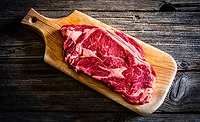
  • beef on cutting board

    New HACCP Model for Raw Intact Beef Available

    See More

Related Products

See More Products
  • 1119053595.jpg

    Food Safety for the 21st Century: Managing HACCP and Food Safety throughout the Global Supply Chain, 2E

  • shelf life.jpg

    Shelf Life and Food Safety

  • 1119160553.jpg

    Food Safety: Innovative Analytical Tools for Safety Assessment

See More Products

Events

View AllSubmit An Event
  • June 17, 2026

    Living HACCP: Practical Steps for Implementation

    On Demand: From this webinar, attendees will understand how social norms shape the way hazards are understood, how decisions are made, and how well risks are understood and acted on across companies.
View AllSubmit An Event

Related Directories

  • eHACCP.org

    eHACCP.org is a leading provider of online HACCP training and certification accredited by the International HACCP Alliance. Over 20 courses delivered in multiple languages. Corporate and group solutions available.
  • Harpak-ULMA

    Harpak-ULMA’s comprehensive, full-service solutions encompass installation, training, spare parts, service, and ongoing customer support. The company's capabilities include thermoforming, tray sealing, flow wrap, multihead weighing, stretch, filling, blister, skin pack, and vacuum packaging systems. In addition, Harpak-ULMA offers a robust suite of automation solutions, covering feeding, loading, secondary packaging, palletizing, robotics, centralized line control, and tote/basket management. These capabilities extend to specialized ready-meals applications, ensuring optimized packaging for fresh, frozen, and shelf-stable convenience foods.
  • New Era Partners

    New Era Partners enables you to cut through the complexity of the FDA’s Food Traceability Rule and understand the operational impact so you can focus on compliance. Who better to help you navigate the rule than former FDA traceability expert Andy Kennedy and compliance expert Matt Regusci? We guide you in finding a path to compliance that best suits your operations.
×

Never miss the latest news and trends driving the food safety industry

Newsletters | Website | FSM Features Collection

JOIN TODAY!
  • RESOURCES
    • Advertise
    • Contact Us
    • Directories
    • Store
    • Want More
  • SIGN UP TODAY
    • Create Account
    • eMagazine
    • Newsletters
    • Customer Service
    • Manage Preferences
  • SERVICES
    • Marketing Services
    • Reprints
    • Market Research
    • List Rental
    • Survey/Respondent Access
  • STAY CONNECTED
    • LinkedIn
    • Facebook
    • Instagram
    • X (Twitter)
  • PRIVACY
    • PRIVACY POLICY
    • TERMS & CONDITIONS
    • DO NOT SELL MY PERSONAL INFORMATION
    • PRIVACY REQUEST
    • ACCESSIBILITY

Copyright ©2026. All Rights Reserved BNP Media, Inc. and BNP Media II, LLC.

Design, CMS, Hosting & Web Development :: ePublishing