Food Safety
search
Ask Food Safety AI
cart
facebook twitter linkedin instagram youtube
  • Sign In
  • Create Account
  • Sign Out
  • My Account
Food Safety
  • NEWS
    • Latest News
    • White Papers
  • PRODUCTS
  • TOPICS
    • Contamination Control
    • Food Types
    • Management
    • Process Control
    • Regulatory
    • Sanitation
    • Supply Chain
    • Testing and Analysis
  • PODCAST
  • EXCLUSIVES
    • Food Safety Five Newsreel
    • eBooks
    • FSM Distinguished Service Award
    • Interactive Product Spotlights
    • Videos
  • BUYER'S GUIDE
  • MORE
    • NEWSLETTERS >
      • Archive Issues
      • Subscribe to eNews
    • Store
    • Sponsor Insights
    • ASK FSM AI
  • WEBINARS
  • FOOD SAFETY SUMMIT
  • EMAG
    • eMagazine
    • Archive Issues
    • Editorial Advisory Board
    • Contact
    • Advertise
  • SIGN UP!
NewsProduceUSDA

USDA Prepares Pest Risk Analysis for Importation of Fresh Japanese Melons
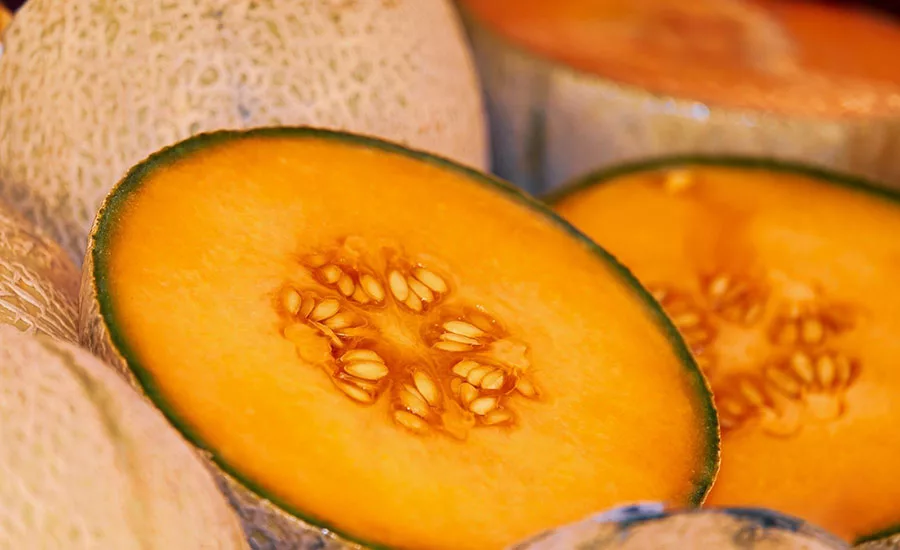
melons
May 20, 2021

The U.S. Department of Agriculture (USDA) is preparing a pest risk analysis that evaluates the risks associated with the importation of fresh melon with stems from Japan into the U.S. Based on the analysis, USDA is proposing to revise the existing conditions for importations of melons from Japan, which currently don't allow the importation of melons with stems and which do not authorize importation to the continental U.S. or most territories.

USDA's Animal and Plant Health Inspection Service (APHIS) received a request from the national plant protection organization of Japan's Ministry of Agriculture, Forestry and Fisheries, to revise the current import requirements and allow the importation of fresh melon fruits with stems into the entire United States. If USDA approves the request, the mitigation measures developed would supersede current importation requirements for fresh cantaloupe, honeydew melon, and melon from Japan.

USDA is making the pest risk analysis available to the public for review and comment for 60 days. The public can submit comments one of two ways:

  • Federal eRulemaking Portal: Go to www.regulations.gov. Enter APHIS-2020-0100 in the Search field. Select the Documents tab, then select the Comment button in the list of documents.
  • Postal Mail/Commercial Delivery: Send your comment to Docket No. APHIS-2020- 0100, Regulatory Analysis and Development, PPD, APHIS, Station 3A-03.8, 4700 River Road Unit 118, Riverdale, MD 20737-1238.

Under the regulations in "Subpart L–Fruits and Vegetables" (7 CFR 319.56-1 through 319.56-12), APHIS prohibits or restricts the importation of fruits and vegetables into the U.S. from certain parts of the world to prevent plant pests from being introduced into or disseminated within the U.S.

Currently, fresh melon fruit (Cucumis melo L.) from Japan is listed in APHIS’ Fruits and Vegetables Import Requirements database as fruit authorized for importation into Hawaii, and fresh cantaloupe fruit (Cucumis melo ssp. melo var. cantalupensis) and honeydew melon (Cucumis melo ssp. melo var. inodorus) are authorized for importation into Guam and the Northern Mariana Islands from areas of Japan other than Amami, Bonin, Ryukyu, Tokara, and Volcano Islands. To be eligible for importation under the current requirements, the melon fruit must be certified as being hothouse grown on or north of Honshu Island and is subject to inspection at the U.S. port of entry.

Looking for quick answers on food safety topics?
Try Ask FSM, our new smart AI search tool.
Ask FSM →


KEYWORDS: fruit imports Japan melon

Share This Story

Recommended Content

JOIN TODAY
to unlock your recommendations.

Already have an account? Sign In

  • people holding baby chicks

    Serovar Differences Matter: Utility of Deep Serotyping in Broiler Production and Processing

    This article discusses the significance of Salmonella in...
    Food Type
    By: Nikki Shariat Ph.D.
  • woman washing hands

    Building a Culture of Hygiene in the Food Processing Plant

    Everyone entering a food processing facility needs to...
    Facilities
    By: Richard F. Stier, M.S.
  • graphical representation of earth over dirt

    Climate Change and Emerging Risks to Food Safety: Building Climate Resilience

    This article examines the multifaceted threats to food...
    Best Practices
    By: Maria Cristina Tirado Ph.D., D.V.M. and Shamini Albert Raj M.A.
Manage My Account
  • eMagazine Subscription
  • Subscribe to Newsletters
  • Manage My Preferences
  • Website Registration
  • Subscription Customer Service

More Videos

Sponsored Content

Sponsored Content is a special paid section where industry companies provide high quality, objective, non-commercial content around topics of interest to the Food Safety Magazine audience. All Sponsored Content is supplied by the advertising company and any opinions expressed in this article are those of the author and not necessarily reflect the views of Food Safety Magazine or its parent company, BNP Media. Interested in participating in our Sponsored Content section? Contact your local rep!

close
  • The image displays a person selecting packaged fresh chicken meat from a supermarket display cooler.
    Sponsored byCorbion

    Developing a Future-Proof Food Safety Strategy for Meat and Poultry Products

  • The image shows a variety of fresh produce packaged in plastic trays and wrap.
    Sponsored byWaters Corporation

    PFAS-Free Food Packaging by August 2026

  • This image displays a multi-stage water filtration system designed to remove contaminants from drinking water.
    Sponsored byWaterdrop Filter

    The 4.0 ppt Era: Future-Proofing Your Food Supply Chain Against 'Forever Chemicals'

Popular Stories

half shredded block of cheddar cheese and pile of cheese shreds on wooden cutting board

Patient Count in Raw Farm E. coli Outbreak Grows, Majority are Young Children

smiling employee in bottling factory looking at camera with arms crossed in front of production line

GFSI Unveils Updated Food Safety Culture Framework

slices off a block of cheddar cheese on a wooden cutting board

Raw Farm Recalls Unpasteurized Cheese While Denying Link to E. coli Outbreak

foreign material webinar


Events

April 8, 2026

Foreign Material Contamination: Why In-Line Reinspection Isn't Enough

Live: April 8, 2026, at 11:00 am EDT: From this webinar, attendees will learn why reinspecting with in-line equipment is not sufficient when it comes to potential foreign material contamination.

April 16, 2026

Recordkeeping and Document Management for Food Safety Compliance

Live: April 16, 2026, at 2:00 pm EDT: From this webinar, attendees will learn why recordkeeping and document control are essential to food safety and business management.

May 11, 2026

The Food Safety Summit

Stay informed on the latest food safety trends, innovations, emerging challenges, and expert analysis. Leave the Summit with actionable insights ready to drive measurable improvements in your organization. Do not miss this opportunity to learn from experts about contamination control, food safety culture, regulations, sanitation, supply chain traceability, and so much more.

View All

Products

Global Food Safety Microbial Interventions and Molecular Advancements

Global Food Safety Microbial Interventions and Molecular Advancements

See More Products

Related Articles

  • eggplant

    Moroccan Government Asks USDA to Authorize Importation of Fresh Eggplant Into U.S. for Consumption

    See More
  • FDA Prepares for Resumption of Domestic Inspections with New Risk Assessment System

    See More
  • Food Safety Strategies coronavirus news

    Coronavirus update: FDA prepares for resumption of domestic inspections with new risk assessment system

    See More

Related Products

See More Products
  • 1118396308.jpg

    High Throughput Analysis for Food Safety

  • food safety.jpg

    Food Safety Contaminants and Risk Assessment

  • 1119071127.jpg

    Food Safety, Risk Intelligence and Benchmarking

See More Products

Related Directories

  • Rentokil Pest Control

    Delivering solutions to food businesses for over 100 years, Rentokil is the single-source provider for your pest management needs. Our local technicians deliver customized programs and innovative solutions, ensuring regulatory compliance and audit readiness. To help you drive your business, our secure PestNetOnline platform provides detailed service data and reporting.
×

Never miss the latest news and trends driving the food safety industry

Newsletters | Website | eMagazine

JOIN TODAY!
  • RESOURCES
    • Advertise
    • Contact Us
    • Directories
    • Store
    • Want More
  • SIGN UP TODAY
    • Create Account
    • eMagazine
    • Newsletters
    • Customer Service
    • Manage Preferences
  • SERVICES
    • Marketing Services
    • Reprints
    • Market Research
    • List Rental
    • Survey/Respondent Access
  • STAY CONNECTED
    • LinkedIn
    • Facebook
    • Instagram
    • X (Twitter)
  • PRIVACY
    • PRIVACY POLICY
    • TERMS & CONDITIONS
    • DO NOT SELL MY PERSONAL INFORMATION
    • PRIVACY REQUEST
    • ACCESSIBILITY

Copyright ©2026. All Rights Reserved BNP Media, Inc. and BNP Media II, LLC.

Design, CMS, Hosting & Web Development :: ePublishing