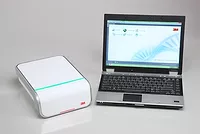
Sponsored Content
Rapid Pathogen Testing in Dairy Production: Advancements, Benefits, and Considerations

As food safety technology continues to evolve, rapid testing technologies have become increasingly commonplace and are continually being enhanced. Dairy producers now have a variety of options for rapid, accurate pathogen testing that is suitable for many different products, facilities, and workflows. These diagnostic tools can significantly improve the productivity, risk level, and bottom line of a production facility, with pathogen tests that have become increasingly easy to use, faster, more sensitive, and more specific.
Technologies, Advantages, and Opportunities
 Rapid testing technologies are based on a variety of chemistries to detect the targeted pathogens as efficiently and effectively as possible. Enzyme linked fluorescent assay (ELFA)-based technologies, such as VIDAS®, target specific cell-surface receptors on the pathogen to make an identification, whereas polymerase chain reaction-based technologies, like GENE-UP®, target the DNA inside each of the specified pathogens. While each method may be the ideal choice for different matrices and laboratory or production environments, both showcase the continual evolution of pathogen detection technologies.
Implementation of rapid testing technologies in a dairy plant can provide a multitude of advantages. Faster time-to-result allows higher testing throughput, which can improve production efficiency, decrease hold times, and extend product shelf life. Rapid testing also allows for a faster response to adverse events, allowing production facilities to implement corrective actions that can prevent lost profits due to waste and spoilage. Additionally, the flexibility of rapid testing technologies means they can be used for both product testing and environmental monitoring programs.
Since many rapid testing methods are quite easy to use, they often allow increased flexibility for personnel. Many dairy manufacturers have successfully implemented in-house testing programs utilizing employees from production or other backgrounds. With the proper training and the proper instruments, an advanced degree in microbiology is no longer a barrier to implementing a successful pathogen testing program.
On a similar topic, the increasing accessibility and affordability of rapid testing methods have enabled more dairy manufacturers to keep all of their data in-house, improving control and traceability of the samples and results that inform major management decisions. Additionally, harnessing and housing these data internally allow facilities to employ analytics and move toward making proactive decisions everywhere from the supply chain to the production line to storage facilities.
Considerations and Advisements
When implementing a rapid testing technology, it’s paramount to select a method that is “fit-for-purpose.” In other words, the technology is the ideal fit for your sample types, sample sizes, and testing environment. Choose a diagnostic partner that will work with you to understand all these factors and recommend appropriate solutions. Preferably, they’ll also have the appropriate validations and verifications to ensure accuracy and consistency of results—or the expertise and ability to get the data required to do so. As the dairy industry continues to innovate with new products and new ingredients, production facilities will be well-served by a diagnostic partner that can quickly adapt to detecting any new microorganisms of interest.
Facility design and workflow can also make major impacts on the efficacy of testing programs. For example, ensuring adequate separation from the laboratory space and the production facility is essential to avoid inadvertent contamination. In cases where this is not possible, other creative and affordable options such as mobile or modular lab spaces may be available. Consider a diagnostic partner with expertise in maximizing efficiency and productivity. There are many methods like LEAN Six Sigma, Kaizen, and 5S that have proven effective in getting the most out of a laboratory operation and maximizing the investment in a stronger food safety program.
In addition to an optimized workflow, choose a diagnostic partner that offers top-to-bottom support that keeps the big-picture goals of your facility in mind. Custom-tailored solutions in sample preparation, media, quality indicators, and even data management can better streamline your processes and flow of information. Ensure scientific experts are available who can assist with sample verification and any troubleshooting needs that may arise.
As part of the implementation process for a new testing method, consider how you will manage your data. Paper-based, handwritten lab sheets are prone to human error and traceability gaps, and add unnecessary inefficiencies. Traditional laboratory management information systems are an excellent solution but also are a significant investment. Intermediary solutions such as CONNECT-UP™ are available, which can integrate directly with your laboratory equipment for seamless, reliable, and traceable data management.
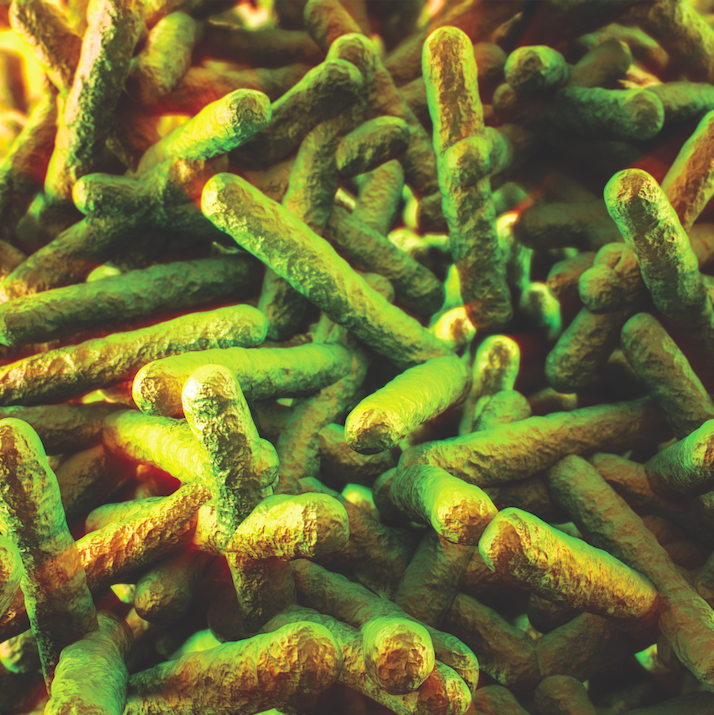 One of the biggest microbiological challenges for the dairy industry is the detection and control of Listeria spp. and Listeria monocytogenes. For environmental, ingredient, and finished product samples, having flexible and accurate methods like VIDAS® and GENE-UP® for pathogen detection allows operations to make fast and accurate decisions with confidence. For example, a very well-recognized global dairy manufacturer has been a valued partner for more than 25 years in rapid pathogen detection. Now that operations are looking at more than just detection, we are partnering beyond traditional challenges, giving more information about the origin of pathogens, and connecting the dots to help answer even bigger food safety questions.
Whichever rapid pathogen detection methods are the best fit for your facility, before you test, have a big-picture plan in mind of what you will do with your results. How will you react if your method of choice indicates a positive result? Will you confirm with cultural methods—and if so, to what level of identification? From basic cultural confirmations to automated biochemical confirmation technology to advanced genome sequencing that can trace contamination sources over time, many options are available.
Finally, while in-house testing can offer significant benefits, it is not the only viable option. There may be advantages to utilizing a third-party or centralized laboratory model, especially for companies with multi-site manufacturing operations.
The Big Picture
Whether a facility conducts pathogen testing in-house or externally—or a combination of both—the big-picture goals do not change: ensure a safe, quality product to protect your consumers, your profitability, and your brand reputation. Above all, choose pathogen testing partners that are aligned with these values, and who will work with you to find the best solutions for your facility’s specific goals.
The future of food safety testing is very bright, particularly in the dairy industry. The scientists of bioMérieux, Inc. are proud to be on the forefront of new tools and technologies ushering in a new era of reduced risk and increased transparency—allowing manufacturers to better protect public health with smarter and more meaningful quality and safety programs.
bioMérieux, Inc. is a leading provider of rapid and traditional microbiological solutions. We help you ensure consumers receive high-quality and safe food products. Visit our website for details on our dairy solutions.
Looking for quick answers on food safety topics?
Try Ask FSM, our new smart AI search tool.
Ask FSM →