Food Safety
search
Ask Food Safety AI
cart
facebook twitter linkedin
  • Sign In
  • Create Account
  • Sign Out
  • My Account
Food Safety
  • NEWS
    • Latest News
    • White Papers
  • PRODUCTS
  • TOPICS
    • Contamination Control
    • Food Types
    • Management
    • Process Control
    • Regulatory
    • Sanitation
    • Supply Chain
    • Testing and Analysis
  • PODCAST
  • EXCLUSIVES
    • Food Safety Five Newsreel
    • eBooks
    • FSM Distinguished Service Award
    • Interactive Product Spotlights
    • Videos
  • BUYER'S GUIDE
  • MORE
    • ENEWSLETTER >
      • Archive Issues
      • Subscribe to eNews
    • Store
    • Sponsor Insights
    • ASK FSM AI
  • WEBINARS
  • FOOD SAFETY SUMMIT
  • EMAG
    • eMagazine
    • Archive Issues
    • Editorial Advisory Board
    • Contact
    • Advertise
  • SIGN UP!
News

FSIS Posts FAQ Page about Foster Farms' Salmonella Outbreak

October 17, 2013


The U.S. Department of Agriculture's (USDA) Food Safety and Inspection Service (FSIS) on Oct. 16 issued a notice that it had posted on its website a Frequently Asked Questions (FAQ) page regarding the recent Salmonella outbreak that has been traced to raw chicken products from three Foster Farms processing plants in California.

Judging by media reports, the outbreak — and the lack of a product recall by either Foster Farms or the FSIS — has raised serious concerns among consumers and evoked an outcry from some consumer advocacy groups. Nevertheless, both the agency and the company have maintained that a recall is unnecessary. The agency explains its process in the FAQ, reproduced below:

Q: When did FSIS first learn of the Salmonella outbreak?

On June 28, FSIS was notified of a Salmonella outbreak in four states resulting in 18 illnesses.

Q: What was FSIS’ first course of action when the agency learned of the outbreak?

At that time, FSIS began its own investigation, following up on specific information provided via case-patient interviews or shopper card data provided, which indicated a likely association between illnesses and patients’ exposure to products produced by three Foster Farms establishments located in California. In September, FSIS began intensified testing of raw chicken products at the three Foster Farms plants. By the beginning of October, FSIS had completed the testing of virtually all samples taken as part of the investigation.

Q: What actions were taken beyond the initial investigation and the intensified testing?

On October 7, 2013, FSIS issued a Public Health Alert and a Notice of Intended Enforcement Action and thereby took an affirmative step to address Foster Farms' process for preparing product. Taken together, these actions represented the most effective course of action based on the available facts. In response to FSIS action, Foster Farms initiated a corrective action plan and will continue to implement additional food safety measures in the coming weeks. As Foster Farms continues production, FSIS will monitor their interventions and actions through intensified testing to ensure compliance.

Looking for quick answers on food safety topics?
Try Ask FSM, our new smart AI search tool.
Ask FSM →

Q: What is the difference between a Recall and a Public Health Alert?

A recall is a company’s action to remove product from commerce to protect the public from consuming adulterated or misbranded products. Although it is a firm’s decision to recall product, FSIS coordinates with the firm to ensure the firm has properly identified, and then removed, the recalled product from commerce. FSIS also verifies the effectiveness of the company’s recall activities. FSIS also notifies the public about product recalls by, in most instances, issuing a press release.

A Public Health Alert is used in situations where FSIS personnel have reason to believe that a meat or poultry product may be associated with human illnesses, but they cannot identify a specific product that is linked to the illnesses.

When public health is threatened by meat or poultry products, FSIS has an obligation to act in a manner that is consistent with the evidence before it. In this case, FSIS did not have the evidence to make a legal case for a recall of product produced by Foster Farms. With the evidence at hand, FSIS acted to inform consumers through the issuance of a Public Health Alert.

Q: What is FSIS advising consumers to do with Foster Farms poultry that they have already purchased?

FSIS reminds consumers to properly handle raw poultry in a manner that prevents contamination from spreading to other foods and food contact surfaces.

It important that consumers follow package cooking instructions for frozen or fresh chicken products and general food safety guidelines when handling and preparing any raw meat or poultry. In particular, while cooking instructions may give a specific number of minutes of cooking for each side of the product in order to attain 165 °F internal temperature, consumers should be aware that actual time may vary depending on the cooking method (broiling, frying, or grilling) and the temperature of the product (chilled versus frozen) so it is important that the final temperature of 165 °F must be reached for safety. It is important to use a food thermometer to properly obtain the internal temperature.

Q: Has the government shutdown affected FSIS’ ability to respond to this Salmonella outbreak?

No. FSIS is committed to food safety and this commitment continues in spite of the government shutdown. The agency’s 8,000 inspectors remain on the job and have been fulfilling their regular inspection duties. Furthermore, our laboratories have remained operational, allowing the agency to continue testing for Salmonella and other pathogens. FSIS will continue to monitor the situation with Foster Farms products and provide additional information to the public as necessary.



Author(s): Heidi Parsons

Share This Story

Recommended Content

JOIN TODAY
to unlock your recommendations.

Already have an account? Sign In

  • people holding baby chicks

    Serovar Differences Matter: Utility of Deep Serotyping in Broiler Production and Processing

    This article discusses the significance of Salmonella in...
    Contamination Control
    By: Nikki Shariat Ph.D.
  • woman washing hands

    Building a Culture of Hygiene in the Food Processing Plant

    Everyone entering a food processing facility needs to...
    Personal Hygiene/Handwashing
    By: Richard F. Stier, M.S.
  • graphical representation of earth over dirt

    Climate Change and Emerging Risks to Food Safety: Building Climate Resilience

    This article examines the multifaceted threats to food...
    Contamination Control
    By: Maria Cristina Tirado Ph.D., D.V.M. and Shamini Albert Raj M.A.
Manage My Account
  • eMagazine Subscription
  • Subscribe to eNewsletter
  • Manage My Preferences
  • Website Registration
  • Subscription Customer Service

More Videos

Sponsored Content

Sponsored Content is a special paid section where industry companies provide high quality, objective, non-commercial content around topics of interest to the Food Safety Magazine audience. All Sponsored Content is supplied by the advertising company and any opinions expressed in this article are those of the author and not necessarily reflect the views of Food Safety Magazine or its parent company, BNP Media. Interested in participating in our Sponsored Content section? Contact your local rep!

close
  • Salmonella bacteria
    Sponsored byThermoFisher

    Food Microbiology Testing Methods: Salmonella species

  • a diagram explaining indicator organisms
    Sponsored byHygiena

    How Proactive Listeria Testing Helps Prevent Six- and Seven-Figure Recalls

  • woman grocery shopping
    Sponsored byCorbion

    Designing Safety Into Every Bite: Proactive Risk Mitigation for Refrigerated Foods

Popular Stories

baby eating bottle

Infant Botulism Spike Exceeds 100 Cases, Extent of ByHeart's Involvement Unclear

NRTE breaded stuffed chicken

USDA Indefinitely Delays Enforcement of Salmonella as Adulterant in Raw Breaded, Stuffed Chicken

digital map of europe

EU Publishes Food Fraud Tool Mapping Thousands of Cases Since 2016

Events

December 11, 2025

How to Develop and Implement an Effective Food Defense Strategy

Live: December 11, 2025 at 2:00 pm EDT: From this webinar, attendees will learn common areas where companies encounter challenges in their food defense strategies and how to address them.

May 11, 2026

The Food Safety Summit

Stay informed on the latest food safety trends, innovations, emerging challenges, and expert analysis. Leave the Summit with actionable insights ready to drive measurable improvements in your organization. Do not miss this opportunity to learn from experts about contamination control, food safety culture, regulations, sanitation, supply chain traceability, and so much more.

View All

Products

Global Food Safety Microbial Interventions and Molecular Advancements

Global Food Safety Microbial Interventions and Molecular Advancements

See More Products

Related Articles

  • Salmonella Outbreak in 18 States Linked to Foster Farms Chicken

    See More
  • Multistate Outbreak of Salmonella Linked to Foster Farms

    See More
  • Foster Farms Recalls Chicken as 16-Month Salmonella Outbreak Continues

    See More

Related Products

See More Products
  • food safety.jpg

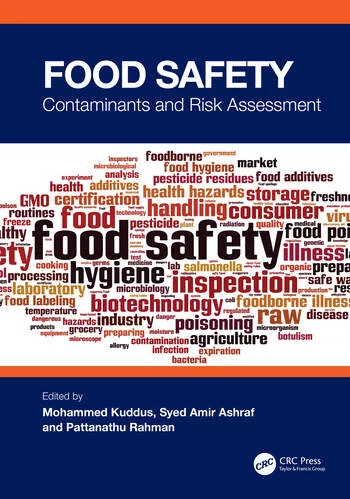
    Food Safety Contaminants and Risk Assessment

  • 1118474600.jpg

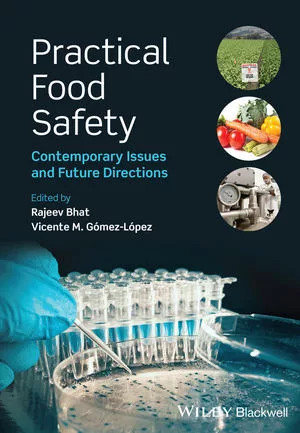
    Practical Food Safety: Contemporary Issues and Future Directions

  • 0813808774.jpg

    Improving Import Food Safety

See More Products

Related Directories

  • Page & Pedersen International Ltd.

    P&P makes reliable analytical instruments for food safety and quality testing. Also supplying certiified calibration standards for milk composition analyzers and cryoscopes. LactiWhey for rapid fat & protein results, LactiCheck Analyzers test for fat, protein, solids, lactose (raw and processed milk) (Freezing-Point Cryoscopes) to tesy extraneous water in milk, moisture levels in cheese/yogurt (Halogen Infrared Moisture Analyzer) or see Somatic Cell Counts (automated image cytometry).
  • Fayette Industrial

    At Fayette, we understand that cleanliness in your meat, poultry, pork, or ready-to-eat facility isn't just about passing inspections—it's about protecting your entire business. Our specialized contract sanitation services are tailored to your specific processing environment with rigorous pathogen prevention protocols and audit preparation that exceed regulatory standards.
×

Never miss the latest news and trends driving the food safety industry

eNewsletter | Website | eMagazine

JOIN TODAY!
  • RESOURCES
    • Advertise
    • Contact Us
    • Directories
    • Store
    • Want More
  • SIGN UP TODAY
    • Create Account
    • eMagazine
    • eNewsletter
    • Customer Service
    • Manage Preferences
  • SERVICES
    • Marketing Services
    • Reprints
    • Market Research
    • List Rental
    • Survey/Respondent Access
  • STAY CONNECTED
    • LinkedIn
    • Facebook
    • Instagram
    • X (Twitter)
  • PRIVACY
    • PRIVACY POLICY
    • TERMS & CONDITIONS
    • DO NOT SELL MY PERSONAL INFORMATION
    • PRIVACY REQUEST
    • ACCESSIBILITY

Copyright ©2025. All Rights Reserved BNP Media.

Design, CMS, Hosting & Web Development :: ePublishing