Food Safety
search
Ask Food Safety AI
cart
facebook twitter linkedin
  • Sign In
  • Create Account
  • Sign Out
  • My Account
Food Safety
  • NEWS
    • Latest News
    • White Papers
  • PRODUCTS
  • TOPICS
    • Contamination Control
    • Food Types
    • Management
    • Process Control
    • Regulatory
    • Sanitation
    • Supply Chain
    • Testing and Analysis
  • PODCAST
  • EXCLUSIVES
    • Food Safety Five Newsreel
    • eBooks
    • FSM Distinguished Service Award
    • Interactive Product Spotlights
    • Videos
  • BUYER'S GUIDE
  • MORE
    • ENEWSLETTER >
      • Archive Issues
      • Subscribe to eNews
    • Store
    • Sponsor Insights
    • ASK FSM AI
  • WEBINARS
  • FOOD SAFETY SUMMIT
  • EMAG
    • eMagazine
    • Archive Issues
    • Editorial Advisory Board
    • Contact
    • Advertise
  • SIGN UP!
News

Cyclospora Outbreak Tops 400 Cases; Louisiana Joins Affected States List

August 2, 2013


The number of people sickened in a multistate Cyclospora outbreak pushed past 400 on August 1, at least unofficially, as the Centers for Disease Control and Prevention (CDC) reported 397 cases, and Iowa and Texas added another 22 cases to that figure. In addition, on August 1 Louisiana reported its first cases, raising the number of affected states to 16, according to the CDC.

The Texas Department of State Health Services (TDSHS) said 132 cases have been reported in the state so far, most of them in the Dallas and Fort Worth area. It said the cases may be related to the outbreak in Iowa and Nebraska, but so far no common source has been identified.

The CDC said that most of the illness onsets ranged from the middle of June through early July, and at least 22 people from five states have been hospitalized.

The Louisiana Department of Health and Hospitals (LDHH) today announced on Twitter that it confirmed two Cyclospora cases this week. The CDC included them in its count and noted that one of infections was likely acquired out of state.

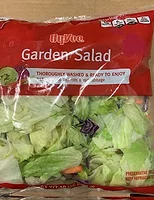
The CDC said it isn't clear yet if cases from all the states are part of the same outbreak. Iowa and Nebraska have linked their cases to a specific bagged salad mix, and the CDC said it is working with its federal and state partners to determine if illnesses in other states are related to the same source. Officials have not disclosed the product name or places where it was sold.

The Food and Drug Administration (FDA) said in an update today that the goal of the investigation is to combine information from Iowa and Nebraska with data from the rest of the affected states to identify a specific item. For trace-back investigations, the agency said it is prioritizing the ingredients that were part of the salad blend identified by Iowa and Nebraska, but it is following other leads as well.

The process is labor-intensive and requires collecting, reviewing, and analyzing hundreds and sometimes thousands of invoices and shipping documents, officials said.

Looking for quick answers on food safety topics?
Try Ask FSM, our new smart AI search tool.
Ask FSM →

The FDA said it has dedicated a team of 15 headquarters staff members to solve the outbreak — more than double the number announced earlier in the week. The agency has asked its field offices to review and forward consumer complaints that might be Cyclospora-related, which could supplement epidemiologic information collected by the CDC and the states.

The FDA also said that analyzing consumer complaints might provide opportunities to collect product samples. So far no product testing results are available, and health officials in Iowa have said the ingredients have a short shelf life and that the potentially tainted products are no longer in the state's food supply.

In other developments, two officials from the Iowa Department of Public Health (IDPH) on August 1 reported that electronic communications and social media tools allowed them quickly warn providers and the public about the outbreak, which was helpful for detecting additional cases. They described their experience in a "notes from the field" item in today's issue of Morbidity and Mortality Weekly Report (MMWR).

The officials said the news media picked up on the announcement of the first two Cyclospora cases, which were included in a June 28 edition of the IDPH's weekly epidemiology update. IDPH officials noted that within a few days, four more cases were reported, and it became clear that an outbreak was under way — which prompted more electronic alerts from the IDPH and the CDC.

By then, most major media outlets in Iowa had reported on the outbreak. The IDPH followed up with Twitter messages and a press release sent to nearly 400 members of the news media.

In June, before the messaging push, the state laboratory had 271 requests for parasite and ova testing, with none specifically asking about Cyclospora. During the first 23 days of July, requests for general stool tests rose to 762, with specific Cyclospora testing requested for 1,460 samples, according to the report.

The IDPH officials said the increased public attention improved diagnosis and treatment. For example, a patient who had been hospitalized for five days with severe vomiting and diarrhea relapsed, but then improved after a health provider saw the epidemiologic alert and instituted appropriate treatment.

See also:

Aug 1 IDPH outbreak update

Aug 1 TDSHS outbreak update

Aug 1 CDC outbreak update

LDHH Twitter feed

Aug 1 FDA update

Aug 2 MMWR report


Author(s): Staff and the Center for Infectious Disease Research and Policy (CIDRAP)
KEYWORDS: food safety

Share This Story

Recommended Content

JOIN TODAY
to unlock your recommendations.

Already have an account? Sign In

  • people holding baby chicks

    Serovar Differences Matter: Utility of Deep Serotyping in Broiler Production and Processing

    This article discusses the significance of Salmonella in...
    Microbiological
    By: Nikki Shariat Ph.D.
  • woman washing hands

    Building a Culture of Hygiene in the Food Processing Plant

    Everyone entering a food processing facility needs to...
    Food Prep/Handling
    By: Richard F. Stier, M.S.
  • graphical representation of earth over dirt

    Climate Change and Emerging Risks to Food Safety: Building Climate Resilience

    This article examines the multifaceted threats to food...
    Best Practices
    By: Maria Cristina Tirado Ph.D., D.V.M. and Shamini Albert Raj M.A.
Manage My Account
  • eMagazine Subscription
  • Subscribe to eNewsletter
  • Manage My Preferences
  • Website Registration
  • Subscription Customer Service

More Videos

Sponsored Content

Sponsored Content is a special paid section where industry companies provide high quality, objective, non-commercial content around topics of interest to the Food Safety Magazine audience. All Sponsored Content is supplied by the advertising company and any opinions expressed in this article are those of the author and not necessarily reflect the views of Food Safety Magazine or its parent company, BNP Media. Interested in participating in our Sponsored Content section? Contact your local rep!

close
  • Salmonella bacteria
    Sponsored byThermoFisher

    Food Microbiology Testing Methods: Salmonella species

  • a diagram explaining indicator organisms
    Sponsored byHygiena

    How Proactive Listeria Testing Helps Prevent Six- and Seven-Figure Recalls

  • woman grocery shopping
    Sponsored byCorbion

    Designing Safety Into Every Bite: Proactive Risk Mitigation for Refrigerated Foods

Popular Stories

NRTE breaded stuffed chicken

USDA Indefinitely Delays Enforcement of Salmonella as Adulterant in Raw Breaded, Stuffed Chicken

non-conforming product

How to Handle Non-Conforming Product

spoonfuls of food ingredients

FDA’s Developing Rule to Tighten GRAS Oversight Moves to White House

Events

December 11, 2025

How to Develop and Implement an Effective Food Defense Strategy

Live: December 11, 2025 at 2:00 pm EDT: From this webinar, attendees will learn common areas where companies encounter challenges in their food defense strategies and how to address them.

May 11, 2026

The Food Safety Summit

Stay informed on the latest food safety trends, innovations, emerging challenges, and expert analysis. Leave the Summit with actionable insights ready to drive measurable improvements in your organization. Do not miss this opportunity to learn from experts about contamination control, food safety culture, regulations, sanitation, supply chain traceability, and so much more.

View All

Products

Global Food Safety Microbial Interventions and Molecular Advancements

Global Food Safety Microbial Interventions and Molecular Advancements

See More Products

Related Articles

  • Iowa, Nebraska Link Bagged Salad to Their States' Cyclospora Cases

    See More
  • Number of States Affected by Romaine Lettuce Outbreak Eclipses 2006 Spinach Outbreak Record

    See More
  • Cyclospora Infections Reported by 200 People in 19 States

    See More

Related Products

See More Products
  • 0813808774.jpg

    Improving Import Food Safety

  • 1119258073.jpg

    FSMA and Food Safety Systems: Understanding and Implementing the Rules

  • food safety.jpg

    Food Safety Contaminants and Risk Assessment

See More Products
×

Never miss the latest news and trends driving the food safety industry

eNewsletter | Website | eMagazine

JOIN TODAY!
  • RESOURCES
    • Advertise
    • Contact Us
    • Directories
    • Store
    • Want More
  • SIGN UP TODAY
    • Create Account
    • eMagazine
    • eNewsletter
    • Customer Service
    • Manage Preferences
  • SERVICES
    • Marketing Services
    • Reprints
    • Market Research
    • List Rental
    • Survey/Respondent Access
  • STAY CONNECTED
    • LinkedIn
    • Facebook
    • Instagram
    • X (Twitter)
  • PRIVACY
    • PRIVACY POLICY
    • TERMS & CONDITIONS
    • DO NOT SELL MY PERSONAL INFORMATION
    • PRIVACY REQUEST
    • ACCESSIBILITY

Copyright ©2025. All Rights Reserved BNP Media.

Design, CMS, Hosting & Web Development :: ePublishing