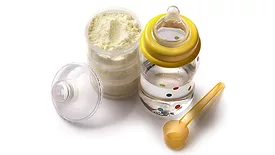
JEMRA convened in June to review the latest scientific evidence on microbiological hazards that have recently been associated with public health events due to the contamination of powdered infant formula or its ingredients.
A JEMRA meeting was convened to help inform discussions about potential updates to Codex Alimentarius guidance, reflecting how scientific advances could strengthen microbiological risk assessments for food safety.
The information gathered will be used to support FAO/WHO scientific advice intended to inform future Codex Alimentarius discussions on frozen food handling guidance.
In the wake of a high-profile safety incidents involving powdered infant formula, FAO/WHO have issued a call for experts and data to support JEMRA in conducting a risk assessment that will help the Codex Committee on Food Hygiene update the Codex Alimentarius standards for powdered formula.
The FAO/WHO Joint Expert Meeting on Microbiological Risk Assessment (JEMRA) has published a report on prevention and intervention measures for foodborne virus–commodity pairs of concern.
To support the work of the Joint Expert Meeting on Microbiological Risk Assessment (JEMRA), FAO/WHO are seeking experts and data on the use of omics-based technologies for pathogen detection, outbreak root cause analyses, surveillance, food process monitoring programs, and microbiological risk assessments.
FAO has put out a call for experts and data to inform an upcoming series of FAO/WHO Joint Expert Meeting on Microbiological Risk Assessment (JEMRA) sessions, with the goal of generating updated advice about microbiological risk assessment for parasites in food.
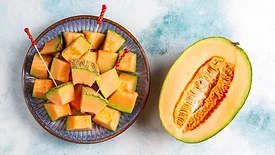
A recent report from the FAO/WHO Joint Expert Meeting on Microbiological Risk Assessment (JEMRA) summarizes the development of formal risk assessment models for Listeria monocytogenes in leafy greens, cantaloupe, frozen vegetables, and ready-to-eat (RTE) seafood.
The FAO/WHO Joint Expert Meeting on Microbiological Risk Assessment (JEMRA) has published a report ranking the most important foodborne viruses and virus-food commodity pairings.
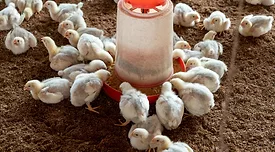
The FAO/WHO Joint Expert Meetings on Microbiological Risk Assessment (JEMRA) convened to review the most recent scientific literature regarding the control of Campylobacter on chicken meat. The experts emphasized the importance of a multi-hurdle approach in production and processing.