A recent study identified gaps in currently used food safety training and certification materials for food handlers, and tested the effectiveness of a supplementary training toolkit in improving knowledge and confidence outcomes of low-literacy employees.
The UK Food Standards Agency (FSA) has been awarded £1.4 million for the development of a new innovation hub focused on improving the regulation of novel foods and novel food technologies, especially precision fermentation.
The updated Fifth Edition of FDA’s Food Allergen Q&A Guidance has been published in a searchable webpage format. Revisions include the addition of sesame as a major food allergen, as well as the removal of some tree nuts, including coconut, from the list of major food allergens.
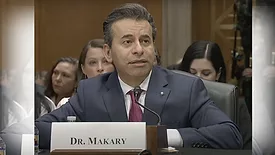
Marty Makary, M.D., M.P.H. has been confirmed by the Senate as the new FDA Commissioner. In his confirmation hearing, Dr. Makary said he would address food as it impacts health, and also said that he would review the mass layoffs that swept the agency in February.
In a first-of-its-kind study analyzing large population-level datasets, researchers from the University of Southern California’s Keck School of Medicine estimated that communities exposed to per- and polyfluoroalkyl substances (PFAS) -contaminated drinking water experience up to 33 percent higher incidence of certain cancers.
A recent study of Pseudomonas spoilage microorganisms isolated from dairy products in Spain identified the presence of highly biofilm-forming, antimicrobial-resistant (AMR) strains, presenting challenges for dairy industry control strategies, and posing the risk of transfer of AMR genes to pathogenic foodborne bacteria.
The Trump Administration has selected current Acting Director and Principal Deputy Director of the U.S. Centers for Disease Control and Prevention (CDC) Susan Monarez, Ph.D. as its nominee for the next Director of the agency.
To improve upon the commonly used precautionary, hazards-based approach to allergen labeling, FAO and WHO have developed a scientific approach to food allergen labeling based on actual risk, such as the likelihood and severity of an allergic reaction occurring.
Mississippi has become the third U.S. state to ban cell-based food products with the passage of House Bill 1006. As of July 1, 2025, it will be illegal to sell or distribute any cultivated food product in the state.
Researchers from the University of Lincoln Institute for Agri-Food Technology have described the role that cognitive and cultural biases play in the design and execution of food safety management systems and stakeholders’ perceptions of what “safe enough” means.
 RSS
RSS