In light of the ongoing highly pathogenic avian influenza H5N1 (HPAI H5N1) bird flu outbreak affecting North American dairy cattle, a new CDC report concluded that the risk of contracting bird flu from raw milk and dairy is “low, but theoretically possible.”
A global scientific review warns that one of the world’s most widely used groups of agricultural chemicals, strobilurin fungicides, are found in food and water, the environment, and humans—and that they may have toxic effects.
The final Make America Healthy Again (MAHA) Report was unveiled in a September 9 press conference led by HHS Secretary Robert F. Kennedy Jr. Food safety, consumer, and environmental stakeholder groups criticize the report’s deregulatory approach and lack of enforceable actions.
FDA officially revealed its intent to issue a proposed rule that would make significant changes to the Generally Recognized as Safe (GRAS) process, which, at present, enables the introduction of ingredients to the U.S. food supply without formal safety review.
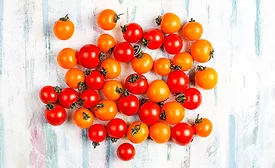
More than 300 patients infected by the outbreak strain of Salmonella Strathcona have been identified in 19 EU/EEA countries, the UK, the U.S., and Canada. Tomatoes from Italy are the vehicle of infection.
A GS1 US consumer survey has revealed that 93 percent of Americans are concerned about how frequently food recalls occur. GS1 US says increased recall frequency means traceability efforts are working.
To help foodservice businesses train staff on how to safely serve customers with food allergies, Food Allergy Canada has launched “Serving the Food Allergic Guest,” a free, three-part micro-training video series.
The Campbell’s Company is the latest food company to pledge to end the use of artificial food dyes in its products following HHS’/FDA’s prompting, reflecting HHS Secretary Kennedy’s MAHA movement, changing consumer preferences, and state additives bans.
The turkey industry advocacy group has issued a request for research proposals that will help define microbiologically independent lots of raw ground turkey, informing best practices that enhance food safety and regulatory compliance.
Following years of line speed waiver extensions and worker safety trials under modernized swine/poultry slaughter inspection pilot programs, the American Protein Processing Act would lift line speed limits in pork and poultry processing facilities that meet food safety criteria set by USDA.
 RSS
RSS