Researchers achieved microbial reductions of 1.56–1.64 log CFU/cm2 by applying plasma-activated water and water–chemical solutions to dual-species E. coli biofilms on stainless steel, suggesting the technology’s potential as a sustainable, safe alternative to traditional sanitizer treatments.
According to the researchers, the findings indicate that Salmonella persistence in food processing environments should not be attributed solely to disinfectant resistance. Proper implementation of cleaning and sanitization protocols alongside stringent hygiene practices remains critical.
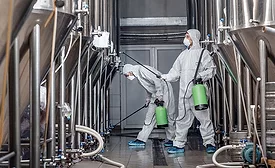
Researchers have developed and validated a rapidly vaporizing antimicrobial liquid designed for dry sanitization, which, after further optimization and regulatory approvals, could offer a potential alternative to highly flammable alcohol-based solutions.
Potentially offering an effective natural control strategy in food production, a study demonstrated the ability of select essential oils to inactivate multidrug-resistant Campylobacter isolated from poultry and investigated the mechanisms of antibacterial action, while highlighting variability in essential oil potency and species-specific susceptibility.
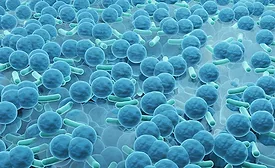
A recent study examined the efficacy of three commonly used sanitizers—chlorine, QACs, and UV-C light—against Listeria monocytogenes biofilms on stainless steel, PET, and silicone rubber surfaces, including organic matter, representing produce packing environments.
The top ten food safety research projects that excited Food Safety Magazine’s audience the most in 2025 covered Listeria monocytogenes (especially related to biofilms), microplastics, Escherichia coli, antimicrobial resistance (AMR), avian influenza in dairy, microbial threats in irrigation water, and food allergens.
A new USDA study suggests that the “green,” biodegradable enzyme ficin can improve the efficacy of conventional sanitizers when used as a pre-treatment in egg processing environments, reducing the contact time and sanitizer concentration required to achieve Salmonella biofilm inactivation.
This article discusses how an operation should develop, document, implement, and maintain a program to properly manage the many chemicals that are used in food processing.
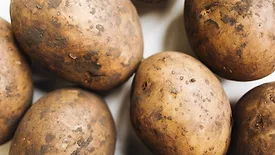
A laboratory study has provided new insights into the efficacy of peroxyacetic acid (PAA) and chlorine dioxide against Escherichia coli, Listeria monocytogenes, and norovirus in wash water during potato processing, and investigated cross-contamination risks in batch washing and water reuse scenarios.
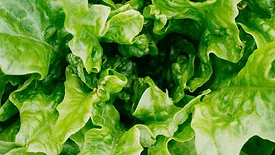
A recent study sought to better understand the ability of Listeria monocytogenes biofilms on stainless steel surfaces to withstand common industry sanitizers, chlorine and PAA, using strains and temperature conditions relevant to the fresh leafy greens supply chain.
 RSS
RSS