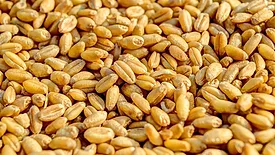
In this episode of Food Safety Matters, we speak about gluten-free food safety from the perspectives of a person with celiac disease, a consumer advocate, and a food manufacturer, including gluten-free labeling requirements, food safety controls, gaps in U.S. labeling regulations, and policy discussions around cross-contact, precautionary labeling, thresholds, and "free-from" claims.
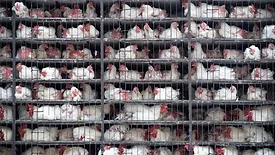
Transport cages are recognized as a potential source of cross-contamination in poultry slaughterhouses. The optimal washing water temperature and detergent concentration completely eliminated detectable Salmonella while greatly reducing indicator organisms. The identified parameters may improve food safety and operational efficiency.
Breading mixtures may be reused for different foods in foodservice operations. An FDA-supported study found that both shrimp and cod allergens accumulate in reused breading and transfer to subsequent foods, although the cod cross-contact risk was much greater.
This episode covers new research on food allergen risks in processing environments, including studies on allergen recovery from environmental swabs, cross-contamination in shared frying oil, and dispersal of allergenic food powders. Also discussed is an EU proposal to harmonize precautionary allergen labeling (PAL) requirements.
In an analysis of domestic refrigerator swabs, researchers discovered complex microbial communities harboring foodborne pathogens and antimicrobial resistance (AMR). The findings also suggested that regular cleaning is possibly more important than temperature control in managing these communities.
Dispersibility may be a useful tool for simulating the spread and hygienic control of allergenic food powders. Researchers recommend that producers add powders from as low a position as possible to reduce the risk of cross-contamination.
A new study quantified the allergen cross-contamination that occurs in shared frying oil and evaluated the efficacy of different filters in removing allergen protein residues from oil.
To support Codex committee deliberations, an ad hoc joint FAO/WHO committee convened to recommend a gluten reference dose (RfD) in a risk-based precautionary allergen labeling (PAL) framework to ensure food safety for people with both celiac and immunoglobulin E (IgE)-mediated wheat allergies.
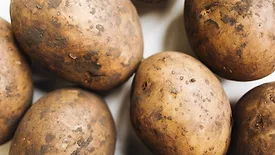
A laboratory study has provided new insights into the efficacy of peroxyacetic acid (PAA) and chlorine dioxide against Escherichia coli, Listeria monocytogenes, and norovirus in wash water during potato processing, and investigated cross-contamination risks in batch washing and water reuse scenarios.
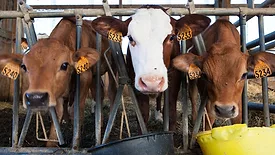
Penn State researchers have demonstrated the potential for Salmonella Dublin to spread among cattle, the environment, and people—necessitating a “One Health” response. Based on their analysis, rising antibiotic resistance is also a concern.
 RSS
RSS