AB 1603 requires the California Department of Pesticide Regulation to indicate when pesticides contain PFAS ingredients in its online database and include use trends in annual reports.
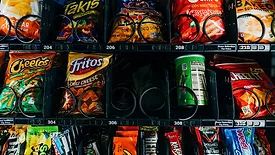
Modeled after the “USDA Organic” label, AB 2244 would create a voluntary certification program through which qualifying manufacturers could display a “Non-Ultraprocessed Certified” seal on food packaging. Manufacturers could apply to accredited certification agents for authorization to use the seal.
In this episode of Food Safety Matters, we speak to Rhodes Yepsen, Executive Director of the Biodegradable Products Institute (BPI), about developments in California packaging policy and their potential implications for food processors and packaging manufacturers. Rhodes also discusses the role of compostable packaging in food waste reduction and the tradeoffs manufacturers must consider when balancing sustainability goals with food safety, product protection, and shelf-life requirements.
Starting July 1, companies selling packaged foods in California must include food safety and quality dates using specific terminology. “Sell By” and other expiration date terms not specified in AB 660 are prohibited.
The New York bill is awaiting the Governor’s signature, while the California bill advances from the Assembly to the Senate. The bills would require baby food and infant formula manufacturers to regularly test their products for toxic heavy metals and disclose results.
A law to protect the public health is a good idea, but it should be based on a risk assessment—i.e., whether exposure to the chemical really elicits an adverse reaction. Perhaps it is time to update or rethink California's Prop 65.
Introduced by Assemblymember Jesse Gabriel, AB 2244 would establish the “California Certified” seal for non-ultra-processed foods (non-UPFs) that can be displayed on the label of qualified food products, similar to the "USDA Organic" seal.
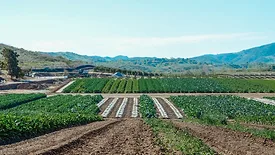
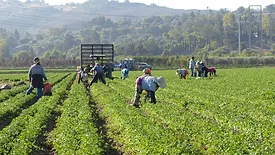
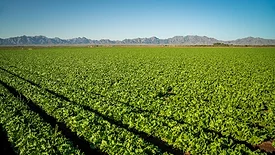
The California Longitudinal Study, a five-year environmental study of California’s Central Coast produce-growing region, identified wildlife, livestock, and surface water as potential contributors to the persistence and movement of Shiga toxin-producing Escherichia coli (STEC).
AB 2034 aims to tighten oversight of ingredients used in foods sold in the state that have entered the food supply without a formal FDA safety review through the Generally Recognized as Safe (GRAS) process.