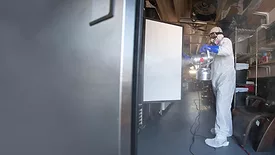
Sanitizer level control is required in many systems where sanitizers are used to control microbiological growth, avoid cross-contamination, or sanitize as part of a HACCP plan.
As part of a project funded by the European Union, 30 people in Guinea-Bissau have received food safety training from a program that is implemented by the United Nations' Industrial Development Organization (UNIDO).
This episode of Food Safety Matters explores the ins and outs of training with Donna Schaffner, associate director of food safety, quality assurance and training at the Rutgers University Food Innovation Center.
HACCP (Hazard analysis and critical control points) is a food safety approach to help prevent biological, chemical, and physical hazards, as well as radiological hazards, in production processes.
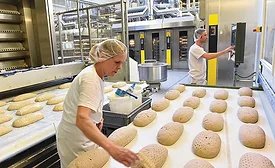
Food manufacturing businesses must comply with the Food Safety Modernization Act (FSMA)—the biggest food safety reform in seven decades, which affects the way our foods are grown, harvested and processed.
Consumers expect their food to be safe, and there are methodologies to ensure that it is. Quality is a bit of a different story, but it's just as important when it comes to consumer expectations.