Food Safety
search
Ask Food Safety AI
cart
facebook twitter linkedin
  • Sign In
  • Create Account
  • Sign Out
  • My Account
Food Safety
  • NEWS
    • Latest News
    • White Papers
  • PRODUCTS
  • TOPICS
    • Contamination Control
    • Food Types
    • Management
    • Process Control
    • Regulatory
    • Sanitation
    • Supply Chain
    • Testing and Analysis
  • PODCAST
  • EXCLUSIVES
    • Food Safety Five Newsreel
    • eBooks
    • FSM Distinguished Service Award
    • Interactive Product Spotlights
    • Videos
  • BUYER'S GUIDE
  • MORE
    • ENEWSLETTER >
      • Archive Issues
      • Subscribe to eNews
    • Store
    • Sponsor Insights
    • ASK FSM AI
  • WEBINARS
  • FOOD SAFETY SUMMIT
  • EMAG
    • eMagazine
    • Archive Issues
    • Editorial Advisory Board
    • Contact
    • Advertise
  • SIGN UP!
Dairy/Eggs

Allergens: Understanding Dairy Product Labels
July 21, 2020

Food and beverage product labeling have been improving in recent history, giving us more information about what is—and what’s not—really inside a given bottle, bag, or carton for sale at the grocery store.

At the same time, there are a lot of new terminologies we have to become familiar with, so we can fully understand these labels and effortlessly recognize the foods we should and shouldn’t eat, especially if we have dietary restrictions due to health issues. For instance, you’ll see “lactose-free” on some dairy products. You may also see the label “dairy-free” on some types of beverages and frozen desserts next to that “lactose-free” designation and be confused.

Today, we present a few frequently asked questions to hopefully clear up that confusion! Dairy-free and lactose-free labeling signals different things about the food and drink we’re offered to buy. This is what you need to know to make the best choices for you and your family.

Are lactose-free products the same as dairy-free?
No, they are not the same, but they also might be. Wait…what? The answer to this question is a little bit complex.

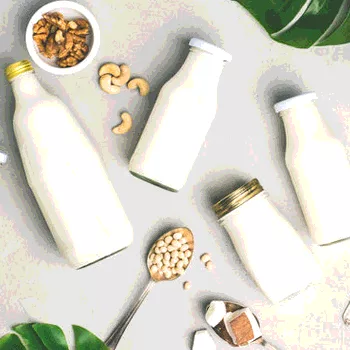
All truly dairy-free products are also naturally lactose-free because lactose is otherwise known as “milk sugar.” As such, lactose is only found in dairy items produced by animals—namely cows, though also sheep and goats—like traditional milk and ice cream. Items labeled as just lactose free, however, might be entirely derived from animal milk!

What does it mean for a product to be dairy-free?
If a product is labeled dairy-free, it can contain no animal milk or milk-derived ingredients. Confusingly, some of these beverage products still call themselves “milk,” although they might be completely plant-based, like coconut milk, almond milk, and the like. As we mentioned, dairy-free products are also lactose free (though the reverse is NOT necessarily true)!

One of the big problems with dairy-free products is that they do not naturally contain much protein the way that real milk does. So, people eating completely vegan diets—or who are avoiding dairy due to milk allergies—often need to seek out fortified products that have had protein added to ensure they are eating a nutritionally balanced diet.

What does it mean for a product to be lactose-free?
Many products labeled as lactose-free still contain dairy or are dairy-based. These wholesome foods and beverages are specially processed to make them more suitable for those with mild to moderate lactose intolerance to enjoy.

Other lactose-free products are made from REAL dairy but are processed with lactase—the enzyme that breaks down lactose—to be less likely to cause abdominal discomfort in lactose intolerant individuals.

Unfortunately, individuals who have less common milk or dairy allergies, or who are committed to a vegan diet, will still need to avoid these lactose-free-but-not-dairy-free items.

What’s the difference between lactose intolerance and a dairy allergy?
Lactose intolerance is a common digestive issue found in humans after infancy. Individuals whose small intestines do not produce enough of the lactase enzyme that breaks down the lactose in dairy products will experience a variety of uncomfortable reactions soon after ingesting those dairy products.

While lactose intolerance can be incredibly painful and life-disrupting for some sufferers, the good news is that it’s not life-threatening. Intolerance also does not involve the immune system but instead causes symptoms to localize in the digestive tract. This is unlike the less common dairy allergy that some people—especially young children—may experience.

If those with a milk or dairy allergy ingest milk products, they may experience some of the same digestive distress symptoms as those with intolerance issues, but they will almost immediately have a much more violent reaction that could include: hives, dangerous swelling of the lips, tongue, and throat, coughing, and/or vomiting. Whether you think you or someone you love may be suffering from either lactose intolerance or a dairy allergy, it is essential to discuss your concerns with your doctor. Treatments for these two different problems are not the same, and you want to ensure that you are protecting your health in the best way you can.

Learn more about Kreider Farms at www.kreiderfarms.com.


Author(s): Kreider Farms

Looking for quick answers on food safety topics?
Try Ask FSM, our new smart AI search tool.
Ask FSM →


Share This Story

Recommended Content

JOIN TODAY
to unlock your recommendations.

Already have an account? Sign In

  • people holding baby chicks

    Serovar Differences Matter: Utility of Deep Serotyping in Broiler Production and Processing

    This article discusses the significance of Salmonella in...
    Meat/Poultry
    By: Nikki Shariat Ph.D.
  • woman washing hands

    Building a Culture of Hygiene in the Food Processing Plant

    Everyone entering a food processing facility needs to...
    Facilities
    By: Richard F. Stier, M.S.
  • graphical representation of earth over dirt

    Climate Change and Emerging Risks to Food Safety: Building Climate Resilience

    This article examines the multifaceted threats to food...
    International
    By: Maria Cristina Tirado Ph.D., D.V.M. and Shamini Albert Raj M.A.
Manage My Account
  • eMagazine Subscription
  • Subscribe to eNewsletter
  • Manage My Preferences
  • Website Registration
  • Subscription Customer Service

More Videos

Sponsored Content

Sponsored Content is a special paid section where industry companies provide high quality, objective, non-commercial content around topics of interest to the Food Safety Magazine audience. All Sponsored Content is supplied by the advertising company and any opinions expressed in this article are those of the author and not necessarily reflect the views of Food Safety Magazine or its parent company, BNP Media. Interested in participating in our Sponsored Content section? Contact your local rep!

close
  • Salmonella bacteria
    Sponsored byThermoFisher

    Food Microbiology Testing Methods: Salmonella species

  • a diagram explaining indicator organisms
    Sponsored byHygiena

    How Proactive Listeria Testing Helps Prevent Six- and Seven-Figure Recalls

  • woman grocery shopping
    Sponsored byCorbion

    Designing Safety Into Every Bite: Proactive Risk Mitigation for Refrigerated Foods

Popular Stories

NRTE breaded stuffed chicken

USDA Indefinitely Delays Enforcement of Salmonella as Adulterant in Raw Breaded, Stuffed Chicken

non-conforming product

How to Handle Non-Conforming Product

spoonfuls of food ingredients

FDA’s Developing Rule to Tighten GRAS Oversight Moves to White House

Events

December 11, 2025

How to Develop and Implement an Effective Food Defense Strategy

Live: December 11, 2025 at 2:00 pm EDT: From this webinar, attendees will learn common areas where companies encounter challenges in their food defense strategies and how to address them.

May 11, 2026

The Food Safety Summit

Stay informed on the latest food safety trends, innovations, emerging challenges, and expert analysis. Leave the Summit with actionable insights ready to drive measurable improvements in your organization. Do not miss this opportunity to learn from experts about contamination control, food safety culture, regulations, sanitation, supply chain traceability, and so much more.

View All

Products

Global Food Safety Microbial Interventions and Molecular Advancements

Global Food Safety Microbial Interventions and Molecular Advancements

See More Products

Related Articles

  • allergen labeling

    How to manage food labels to ensure allergens are clearly noted on any product

    See More
  • slices of white and brown bread laid out on table

    FDA Admonishes Bimbo Bakeries for Falsely Listing Allergens on Labels of Products

    See More
  • Improve inspection and detection of dairy product contaminants

    Improve inspection and detection of dairy product contaminants

    See More

Related Products

See More Products
  • 1119258073.jpg

    FSMA and Food Safety Systems: Understanding and Implementing the Rules

  • 9781498721776.jpg

    Handbook of Food Processing: Food Safety, Quality, and Manufacturing Processes

See More Products
×

Never miss the latest news and trends driving the food safety industry

eNewsletter | Website | eMagazine

JOIN TODAY!
  • RESOURCES
    • Advertise
    • Contact Us
    • Directories
    • Store
    • Want More
  • SIGN UP TODAY
    • Create Account
    • eMagazine
    • eNewsletter
    • Customer Service
    • Manage Preferences
  • SERVICES
    • Marketing Services
    • Reprints
    • Market Research
    • List Rental
    • Survey/Respondent Access
  • STAY CONNECTED
    • LinkedIn
    • Facebook
    • Instagram
    • X (Twitter)
  • PRIVACY
    • PRIVACY POLICY
    • TERMS & CONDITIONS
    • DO NOT SELL MY PERSONAL INFORMATION
    • PRIVACY REQUEST
    • ACCESSIBILITY

Copyright ©2025. All Rights Reserved BNP Media.

Design, CMS, Hosting & Web Development :: ePublishing