Food Safety
search
Ask Food Safety AI
cart
facebook twitter linkedin instagram youtube
  • Sign In
  • Create Account
  • Sign Out
  • My Account
Food Safety
  • NEWS
    • Latest News
    • White Papers
  • PRODUCTS
  • TOPICS
    • Contamination Control
    • Food Types
    • Management
    • Process Control
    • Regulatory
    • Sanitation
    • Supply Chain
    • Testing and Analysis
  • PODCAST
  • EXCLUSIVES
    • Food Safety Five Newsreel
    • eBooks
    • FSM Distinguished Service Award
    • Interactive Product Spotlights
    • Videos
  • BUYER'S GUIDE
  • MORE
    • NEWSLETTERS >
      • Archive Issues
      • Subscribe to eNews
    • Store
    • Sponsor Insights
    • ASK FSM AI
  • WEBINARS
  • FOOD SAFETY SUMMIT
  • EMAG
    • eMagazine
    • Archive Issues
    • Editorial Advisory Board
    • Contact
    • Advertise
  • SIGN UP!
News

Romaine Lettuce Outbreak: FDA Identifies Cattle Operation Near Contaminated Canal Water

August 7, 2018

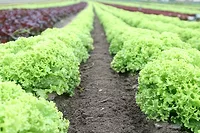
Last week, the U.S. Food and Drug Administration (FDA), along with the newly formed Leafy Greens Food Safety Task Force, met for 2 days to share preliminary hypotheses from the Environmental Assessment in the Yuma, AZ, growing region to facilitate conversations with state and local officials, industry and local growers on the hypotheses and associated actions necessary to prevent such an outbreak from occurring again.

It was previously reported that nearby canal water samples had tested positive for Escherichia coli O157:H7— the same strain linked to the ongoing romaine lettuce outbreak that has thus far sickened 210 people in 36 states. Ninety-six people have been hospitalized and five people have died. The canal water could have contaminated the lettuce via direct irrigation, or through other means.

The new information uncovered in this 2-day meeting is that the canal in question is located near a Concentrated Animal Feeding Operation (CAFO), which FDA describes as “a facility with a large number of cattle on the premises. The CAFO can hold in excess of 100,000 head of cattle at any one time and the FDA traceback information showed a clustering of romaine lettuce farms nearby.”  

Health officials are investigating whether or not there is a connection between the CAFO, the nearby canal, and any other factors— geological or otherwise— that may explain the romaine lettuce contamination and outbreak. Additional sampling activities will be conducted to further explore and narrow down hypotheses in the near future. The findings will be detailed in a finalized environmental assessment report.

FDA is urging both government and non-government entities, produce growers in the region, and those engaged in managing the canal systems to work with FDA and marshal and deploy resources to achieve our collective food safety goal. Broad engagement from the surrounding community is critical to developing and implementing remediation measures to reduce the potential for another outbreak. Local in-depth knowledge and actions are critical in helping resolve this issue in order to protect public health.

The Environmental Assessment report will be made publicly available when complete.

More on the romaine lettuce E. coli outbreak:
Yuma Region Environmental Samples Test Positive for E. coli 
Five Deaths in Romaine Lettuce E. coli Outbreak 
FDA Shares Traceback Details for Romaine Lettuce E. coli Outbreak as Investigation Continues 
Leafy Greens Industry Forms Task Force in Light of Romaine Lettuce Outbreak 
 

Sign up for Food Safety Magazine’s bi-weekly emails!

Subscribe to our podcast: Food Safety Matters!


Author(s): Staff

Looking for quick answers on food safety topics?
Try Ask FSM, our new smart AI search tool.
Ask FSM →


Share This Story

Recommended Content

JOIN TODAY
to unlock your recommendations.

Already have an account? Sign In

  • people holding baby chicks

    Serovar Differences Matter: Utility of Deep Serotyping in Broiler Production and Processing

    This article discusses the significance of Salmonella in...
    Food Type
    By: Nikki Shariat Ph.D.
  • woman washing hands

    Building a Culture of Hygiene in the Food Processing Plant

    Everyone entering a food processing facility needs to...
    Food Prep/Handling
    By: Richard F. Stier, M.S.
  • graphical representation of earth over dirt

    Climate Change and Emerging Risks to Food Safety: Building Climate Resilience

    This article examines the multifaceted threats to food...
    Best Practices
    By: Maria Cristina Tirado Ph.D., D.V.M. and Shamini Albert Raj M.A.
Manage My Account
  • eMagazine Subscription
  • Subscribe to Newsletters
  • Manage My Preferences
  • Website Registration
  • Subscription Customer Service

More Videos

Sponsored Content

Sponsored Content is a special paid section where industry companies provide high quality, objective, non-commercial content around topics of interest to the Food Safety Magazine audience. All Sponsored Content is supplied by the advertising company and any opinions expressed in this article are those of the author and not necessarily reflect the views of Food Safety Magazine or its parent company, BNP Media. Interested in participating in our Sponsored Content section? Contact your local rep!

close
  • the use of dual-energy X-ray food inspection technology to identify foreign contaminants.
    Sponsored byEagle by METTLER TOLEDO

    Precision Inspection Starts with the Right X-ray Detector

  • This image depicts a worker cleaning stainless steel machinery in a food processing plant
    Sponsored byCintas

    Employee Uniforms: A Frontline Defense Against Food Contamination

  • This image depicts a healthcare professional managing a large volume of paperwork and transitioning to a digital workflow.
    Sponsored bySafetyChain

    The Invisible Plant Tax Starts with Your Records

Popular Stories

packages of beef at retail

Scientists Tackle Food Waste with More Accurate ‘Sell By’ Dates Based on Meat Microbial Activity

This image is a promotional graphic for a resource focused on building a positive food safety culture within manufacturing environments.

eBook | Strengthening Company Culture to Drive Food Safety Performance

Don Prater at the 2026 Food Safety Summit

Donald Prater Becomes New Head of FDA Human Foods Program


Events

May 28, 2026

Advanced Sanitation Strategies for Allergen Risk Reduction in Food Processing

Live: May 28, 2026, at 2:00 pm EDT: From this webinar, attendees will learn why validation and verification are necessary for allergen control, and how analytical tools can support allergen management programs.

June 3, 2026

How to Build a Better Food Safety Training Program

Live: June 3, 2026 at 2:00 pm EDT: Join this webinar to learn how AI is impacting food safety training, and how you can leverage AI in your programs.

June 4, 2026

Building a Stronger Food Safety Program in a Changing GFSI Landscape

Live: June 4, 2026 at 11:00 am EDT: Attend this webinar to understand how GFSI requirements are evolving and what those changes signal for quality programs at food and beverage facilities.

View All

Products

Global Food Safety Microbial Interventions and Molecular Advancements

Global Food Safety Microbial Interventions and Molecular Advancements

See More Products

Related Articles

  • Romaine Lettuce

    Romaine lettuce E. coli outbreak linked to canal water

    See More
  • FDA Identifies Six California Counties Where Contaminated Romaine Lettuce Originated

    See More
  • CDC Identifies Likely Source of E. coli O157:H7 Associated with Romaine Lettuce

    See More

Related Products

See More Products
  • 1119071127.jpg

    Food Safety, Risk Intelligence and Benchmarking

  • 9781138198463.jpg

    Food Safety Management Programs: Applications, Best Practices, and Compliance

  • 1119237963.jpg

    Food Safety in China: Science, Technology, Management and Regulation

See More Products

Related Directories

  • NEMIS Technologies

    At NEMIS, we are setting new standards in environmental monitoring, helping your facility stay audit-ready and protected from contamination. Our cutting-edge solutions are designed to proactively identify and address risks, transforming how food safety is upheld in production environments.
×

Never miss the latest news and trends driving the food safety industry

Newsletters | Website | eMagazine

JOIN TODAY!
  • RESOURCES
    • Advertise
    • Contact Us
    • Directories
    • Store
    • Want More
  • SIGN UP TODAY
    • Create Account
    • eMagazine
    • Newsletters
    • Customer Service
    • Manage Preferences
  • SERVICES
    • Marketing Services
    • Reprints
    • Market Research
    • List Rental
    • Survey/Respondent Access
  • STAY CONNECTED
    • LinkedIn
    • Facebook
    • Instagram
    • X (Twitter)
  • PRIVACY
    • PRIVACY POLICY
    • TERMS & CONDITIONS
    • DO NOT SELL MY PERSONAL INFORMATION
    • PRIVACY REQUEST
    • ACCESSIBILITY

Copyright ©2026. All Rights Reserved BNP Media, Inc. and BNP Media II, LLC.

Design, CMS, Hosting & Web Development :: ePublishing